


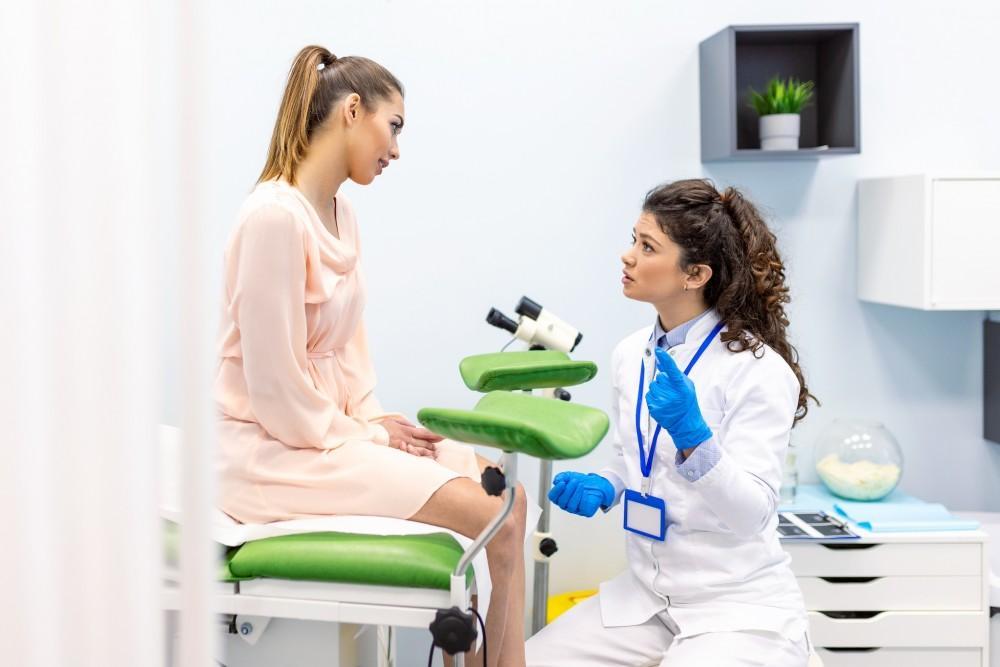
Women’s reproductive health is a crucial part of overall well-being. Yet, many women lack proper awareness about how their bodies function and what steps they should take to maintain good health. From puberty to menopause, every stage of life brings unique changes and challenges.
Understanding reproductive health not only helps prevent diseases but also empowers women to make informed decisions. In this comprehensive guide, we will explore the key aspects of women’s reproductive health, common issues, and practical tips for maintaining it at every age.
What is Reproductive Health?
Reproductive health refers to the proper functioning of the reproductive system. It includes physical, emotional, and hormonal well-being related to the reproductive organs.
It covers areas such as:
- Menstrual health
- Fertility
- Pregnancy and childbirth
- Sexual health
- Menopause
Stages of Women’s Reproductive Health
1. Puberty (Ages 10–15)
Puberty marks the beginning of reproductive maturity. During this stage, girls experience:
- Development of breasts
- Start of menstruation (periods)
- Hormonal changes
Proper education during this phase is essential to build healthy habits.
2. Reproductive Years (Ages 16–40)
This stage involves regular menstrual cycles and the ability to conceive. Women should focus on:
- Maintaining hormonal balance
- Monitoring menstrual health
- Practicing safe sexual habits
3. Perimenopause and Menopause (40+)
Menopause marks the end of menstrual cycles. Symptoms may include:
- Hot flashes
- Mood changes
- Irregular periods
Understanding these changes helps women manage this transition effectively.
Importance of Menstrual Health
A regular menstrual cycle is a key indicator of reproductive health. Irregularities may signal underlying issues.
Common Menstrual Problems
- Irregular periods
- Heavy bleeding
- Painful periods (dysmenorrhea)
- Missed periods
Tracking your cycle can help detect abnormalities early.
Common Gynecological Conditions
1. Polycystic Ovary Syndrome (PCOS)
PCOS is a hormonal disorder that affects ovulation. Symptoms include:
- Irregular periods
- Weight gain
- Acne
- Excess hair growth
2. Endometriosis
This condition occurs when tissue similar to the uterine lining grows outside the uterus. It can cause severe pain and fertility issues.
3. Uterine Fibroids
Fibroids are non-cancerous growths in the uterus. They may cause heavy bleeding and pelvic pain.
4. Infections
Common infections include yeast infections and urinary tract infections (UTIs). These can cause discomfort and require treatment.
Importance of Regular Checkups
Routine gynecological exams help detect problems early. These include:
- Pap smears
- Pelvic exams
- Breast exams
Regular visits to a gynecologist are essential for maintaining health.
Tips for Maintaining Reproductive Health
1. Eat a Balanced Diet
Include fruits, vegetables, whole grains, and healthy fats. Nutrients like iron and calcium are especially important.
2. Exercise Regularly
Physical activity helps maintain hormonal balance and reduces stress.
3. Practice Safe Hygiene
Maintain proper intimate hygiene to prevent infections.
4. Manage Stress
Stress can disrupt hormonal balance and affect menstrual cycles.
5. Avoid Harmful Habits
Smoking and excessive alcohol consumption can negatively impact reproductive health.
Fertility Awareness
Understanding your fertility helps with family planning. Key factors include:
- Ovulation cycle
- Age
- Lifestyle habits
Maintaining a healthy lifestyle improves fertility.
When to See a Doctor
Consult a healthcare provider if you experience:
- Severe menstrual pain
- Irregular cycles
- Unusual discharge
- Difficulty conceiving
Early diagnosis can prevent complications.
Emotional and Mental Well-being
Reproductive health is not just physical. Emotional well-being plays a vital role. Hormonal changes can affect mood, making self-care important.
Final Thoughts
Women’s reproductive health requires attention at every stage of life. By understanding your body and adopting healthy habits, you can prevent many common issues.
Regular checkups and awareness are key to maintaining long-term well-being.
FAQs
1. What is a normal menstrual cycle?
A cycle lasting 21–35 days is considered normal.
2. Can stress affect periods?
Yes, stress can cause irregular cycles.
3. How often should I visit a gynecologist?
At least once a year for routine checkups.
4. What are early signs of PCOS?
Irregular periods, acne, and weight gain.
5. Is menopause a health problem?
No, it is a natural phase, but symptoms can be managed.
