


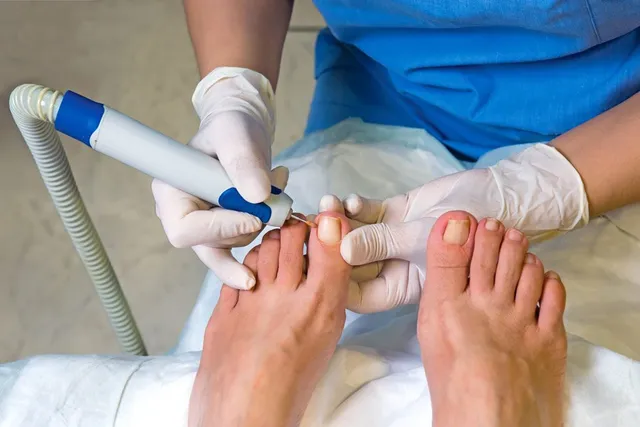
Ingrown toenails form when a nail edge grows into nearby skin, and this typically leads to pain or swelling. Many cases start with nail-trimming habits. Since pressure and moisture affect nail growth, daily foot care plays a clear role. Here are some steps that may help lower the chance of an ingrown toenail:
Cut Toenails Straight Across
Start with nail trimming, because shape affects how the nail grows. Cut each toenail straight across, and leave the corners visible. Curved trimming raises the risk of the nail edge pressing into skin. If the nail corner digs down as it grows, irritation may follow.
Use clean clippers for each trim, and work in good light. Short, steady cuts help you keep a flat edge. Since rough edges may catch on socks, smooth them with an emery board. Do not round the sides after filing, or the nail edge may angle inward.
A simple routine helps keep trimming consistent. Trim after bathing if nails feel softer, and dry feet first. Try these steps to avoid ingrown toenails:
- Cut straight across
- Leave corners visible
- File sharp edges lightly
Wear Adequate Footwear
Footwear affects toe pressure, so shoe fit matters every day. Tight toe boxes squeeze the nail edges. Choose shoes with enough room in the front, and check the fit while standing. If your toes rub the sides, the shoe is too narrow.
Keep Feet Dry
Moisture softens skin around the nail, and soft skin breaks more easily. Dry feet with a towel after bathing. Since sweat stays trapped inside shoes, change socks during the day if needed. This step lowers skin irritation around the nail fold.
Some habits make moisture harder to manage, so it helps to keep the routine simple. Use breathable shoes on long days. Dry the area between the toes well, and do not put shoes on damp feet. If you rotate pairs, each pair gets more time to air out.
Watch for signs that moisture keeps building up. Damp socks, foot odor, and pale skin may point to a problem.
- Change wet socks promptly
- Let shoes dry between uses
- Dry between toes after washing
Avoid Cutting Nails Too Short
Very short nails expose the skin at the tip, and pressure then falls on a smaller area. Leave a small white edge when you trim. Since the nail needs some length for support, cutting too low may change how it grows. This issue may start when a person trims nails to match fingertip habits.
Pain after trimming is a useful warning sign, and repeated soreness deserves attention. Stop cutting lower if the toe feels tender. If you play sports that jam the toes, trim with extra care. Friction from sudden stops may worsen a shortcut.
Get Treated for Ingrown Toenails
Early treatment helps limit skin damage, and delayed care may lead to deeper swelling. Seek medical care if redness spreads, drainage appears, or walking hurts. Since home care does not fix every case, ongoing symptoms need proper assessment. A clinician may trim the nail edge or discuss other treatment options. If you notice pain, swelling, or drainage, schedule an evaluation soon.
