


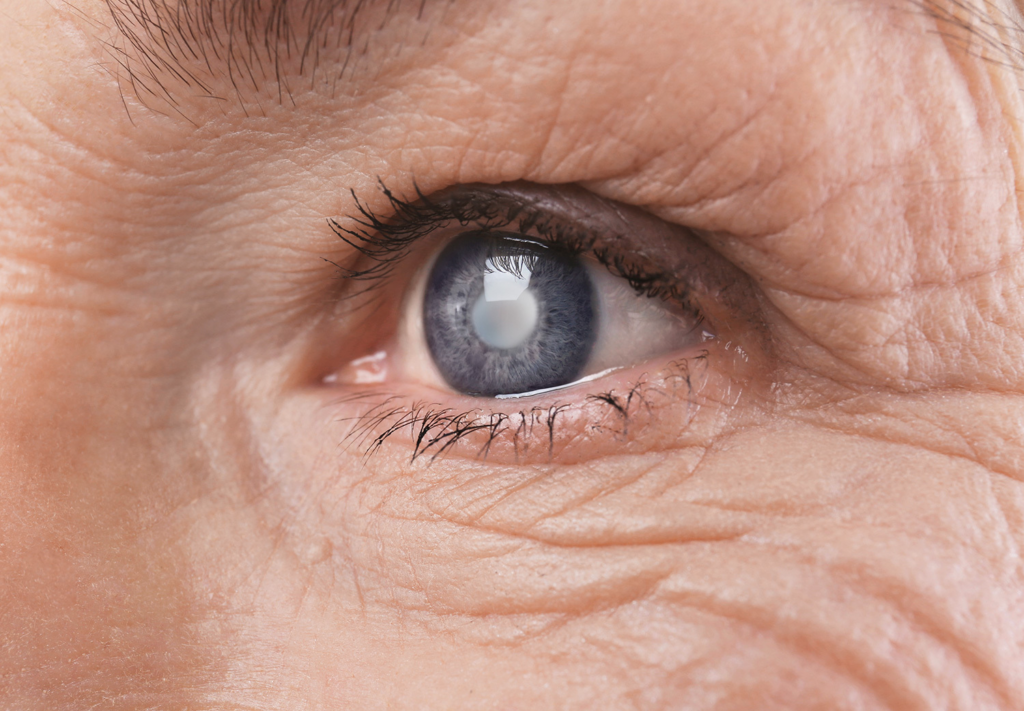
Glaucoma requires careful daily management. You may have this eye condition, and you need accurate medical information. Because the disease progresses slowly, doctors provide helpful answers. As you read these facts, you will better understand your health and plan effectively.
Changes to Peripheral Vision
Glaucoma initially targets your side vision. Early vision loss is subtle, but it eventually narrows your sight. Some do not notice changes at first because the central vision stays clear initially, and most people adapt to mild losses unconsciously. If fluid builds up, eye pressure can increase. Your peripheral vision may slowly disappear. This loss affects daily tasks such as driving, navigating crowded places, or recognizing objects at the edge of your view. Over time, activities that require a wide field of vision can become challenging. This affects your ability to move independently and perform tasks safely.
Symptoms can remain absent early on, and vision changes happen gradually over time. This condition lacks early warning signs. When the optic nerve is damaged, blind spots develop, and the visual field narrows. The long-term effects of untreated eye conditions may be significant, often leading to irreversible damage. If glaucoma is left unmanaged, it can progressively damage the optic nerve. This may ultimately result in permanent vision loss. Conditions such as diabetic retinopathy can worsen over time, leading to vision impairment or blindness. Cataracts, though commonly associated with aging, can significantly interfere with daily activities. These long-term consequences highlight the importance of early detection, so seek consistent management to preserve vision. By adhering to treatment plans and attending regular check-ups, individuals can mitigate the progression of these conditions and reduce the risk of severe outcomes.
Risks for Disease Progression
If you have biological relatives with glaucoma, regular monitoring may become necessary. Several factors influence your long-term health outcome. Age remains a major factor, and family history increases your baseline odds. Chronic medical conditions, such as high blood pressure and diabetes, may increase the chances of developing glaucoma or experiencing disease progression. If you have these conditions, your doctor may recommend more frequent eye exams, as controlling these issues can support better overall eye health. People with refractive errors face an increased risk, and these should be discussed during your visits. Specific demographic groups face higher statistical risks. Genetics plays a role, and age can worsen outcomes.
Treatments for Eye Pressure
Medical treatments target the internal eye pressure. Medications reduce fluid production, or they increase safe internal drainage of fluids. Most commonly, these medications are taken as eye drops, and several different types may be prescribed, depending on how your eye responds. Some need to use more than one medication to reach your target pressure, and regular follow-up is necessary to monitor side effects and effectiveness. Although prescription drops work well for some, other patients require extra help. If your current treatment isn’t working, your doctor will suggest other options. Glaucoma surgeries offer long-term pressure control. These procedures improve fluid drainage, and they help prevent further optic nerve damage. When medications fail, a surgeon may perform surgery.
Protect Your Glaucoma Eye Condition
Your vision needs active daily protection. Glaucoma is a lifelong condition, but you can manage it. Since treatments help preserve sight, schedule regular exams. Consistent care helps prevent further vision loss. Follow medical advice, or your condition may worsen over time. If you notice new symptoms, call your doctor, and they will adjust your treatment.
