


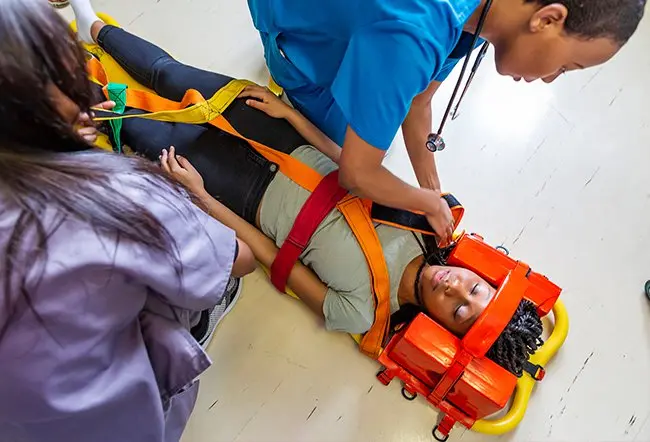
Emergency care centers provide immediate medical attention for urgent health issues, serving as an alternative to traditional hospital settings. These facilities can handle severe, sudden-onset conditions that require rapid medical intervention. Staffed by board-certified emergency physicians, registered nurses, and specialized technicians, these centers operate 24 hours a day, every day. Here’s information on emergency room centers and what they can treat:
Abdominal Pain
Severe discomfort in the stomach or intestinal region often prompts individuals to seek urgent medical attention. Abdominal pain presents in many forms, including sharp, localized aches or dull, widespread cramps. Because the abdomen houses multiple major organs, emergency care professionals use precise evaluation protocols to assess pain and determine an appropriate medical intervention.
How Emergency Room Centers Differ
Emergency care centers and hospital emergency rooms both handle urgent medical needs, but they have different benefits. Hospital emergency rooms are physically attached to larger medical institutions. This allows for direct, immediate admission to specialized hospital wings, such as an intensive care unit, if prolonged inpatient care is necessary.
Independent emergency room centers function as standalone facilities, offering diagnostic equipment and employing emergency-trained medical staff. An emergency room center may require a formal patient transfer via ambulance if overnight hospitalization, specialized cardiovascular care, or major surgery becomes necessary. This transfer process is highly coordinated between the independent center and the receiving hospital to promote seamless patient care.
How Abdominal Pain Is Assessed
When visiting an emergency center, physicians begin the clinical evaluation by taking a detailed medical history and performing a comprehensive physical examination. They check for specific areas of tenderness, abnormal swelling, or muscular rigidity in the abdominal quadrants. Medical staff frequently utilize advanced diagnostic tools to gather more precise internal data. Diagnostic imaging helps identify internal structural issues, and blood tests reveal potential underlying inflammation, such as:
- Ultrasound Technology
- Computed Tomography (CT) Scans
- Comprehensive Metabolic Panels
Intravenous fluids may be administered during this diagnostic phase to keep the patient stable. These objective diagnostic tools allow emergency physicians to identify the anatomical source of the pain and establish a stabilization plan.
COVID-19 and Post-COVID Syndrome Care
Individuals experiencing significant difficulty breathing, persistent chest pressure, or severe oxygen desaturation frequently require immediate emergency evaluation. Emergency care facilities can evaluate and stabilize patients presenting with severe respiratory symptoms related to viral infections. Following an initial viral infection, certain individuals develop ongoing physical challenges known as post-COVID syndrome.
When these persistent symptoms escalate to acute levels, emergency care centers provide necessary oxygen therapy, respiratory support, and continuous cardiac monitoring. The clinical staff focuses strictly on stabilizing the patient’s respiratory function and evaluating overall pulmonary capacity. To protect patients and medical staff during treatment, emergency care facilities follow strict infection control protocols.
Accidental and Motor Injury Care
Motor vehicle accidents necessitate prompt medical review, as not all physical injuries are immediately noticeable. Factors like adrenaline can temporarily mask severe pain, making it highly valuable to undergo a professional medical assessment following any high-impact event. Physical trauma resulting from vehicle collisions, significant falls, or industrial accidents routinely requires urgent clinical evaluation. Emergency centers are fully equipped to manage complex fractures, deep lacerations, head trauma, and extensive soft tissue injuries.
Contact an Emergency Room Center
Emergency care centers provide communities with continuous, reliable access to emergency medical services at any time of day. Having a clear understanding of your medical resources helps you stay prepared and enables faster response times during a crisis. To learn more about emergency care, contact an emergency room center near you. Facility administrators can offer detailed information regarding their medical scope of practice and accepted insurance networks. Don’t wait for an injury before finding care; stay proactive about your health and call an emergency center today.
