


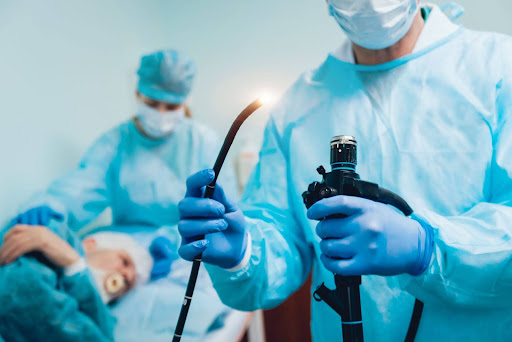
Colonoscopy is a screening procedure used to evaluate the colon and identify changes within the digestive tract. Understanding the preparation process, procedure steps, and follow-up recommendations helps patients feel more informed about their care. Learning what to expect during a colonoscopy allows individuals to better prepare for their appointment and discuss questions with their healthcare provider. Here is more information about the role of colonoscopy for preventive care:
What a Colonoscopy Does
A colonoscopy is a procedure that allows a physician to examine the inside of the colon using a thin, flexible tube with a camera. The provider guides the instrument through the rectum and into the large intestine to evaluate the digestive tract. If abnormal tissue is found, a biopsy may be collected for additional evaluation.
Colonoscopy procedures also help evaluate other gastrointestinal concerns beyond colorectal cancer screening. Providers may use this procedure to investigate conditions such as diverticular disease and inflammatory bowel disease. It also helps determine possible causes of symptoms like blood in the stool, abdominal discomfort, or changes in bowel patterns.
When Screening Becomes Necessary
Colonoscopy screening are able to be recommended even when individuals do not have noticeable symptoms. Polyps can develop without visible warning signs, so screening schedules are based on age, health history, and individual risk factors. A gastroenterologist reviews each patient’s background to determine when screening is appropriate. Factors that often influence screening timing include:
- Age and risk level: Screening recommendations vary based on age and overall colorectal cancer risk.
- Family history: A history of colorectal cancer or polyps may affect screening schedules.
- Personal medical history: Previous polyps or gastrointestinal conditions are able to require earlier monitoring.
- Inflammatory bowel disease: Conditions such as Crohn’s disease or ulcerative colitis may require specialized screening plans.
Healthcare providers use these factors to create personalized screening recommendations. Regular discussions with a gastroenterologist help determine the right approach for each patient.
How to Prepare Effectively
Preparing for a colonoscopy involves following specific instructions to help provide a clear view of the colon during the procedure. Patients typically adjust their diet before the appointment, transition to clear liquids, and use prescribed laxatives to empty the colon. Sedation is often used during the procedure, so patients need to arrange transportation home afterward. Following preparation guidelines helps patients arrive ready for their scheduled appointment.
Types of Colonoscopy Procedures
Different colonoscopy procedures are used based on a patient’s health history, symptoms, and screening needs. A physician reviews each situation to determine the most appropriate approach for evaluation and care. Common colonoscopy procedure types include:
- Traditional colonoscopy: Uses a flexible camera to examine the rectum and colon while allowing providers to identify and remove polyps when needed.
- Virtual colonoscopy: Uses CT imaging to create detailed views of the colon without inserting a camera throughout the digestive tract.
- Capsule endoscopy: Uses a small camera inside a swallowed capsule to capture images as it moves through the digestive system.
Each procedure provides different evaluation options based on individual circumstances. A healthcare provider recommends the approach that best aligns with the patient’s medical needs and symptoms.
Schedule a Colonoscopy Today
A colonoscopy allows healthcare providers to evaluate the colon and identify potential concerns through detailed examination. The preparation process requires following dietary and medication instructions, while the procedure itself is completed within a scheduled appointment. Results from a colonoscopy help guide future healthcare decisions based on individual findings. Schedule an appointment with a gastroenterologist to discuss whether a colonoscopy is right for your healthcare needs.
