


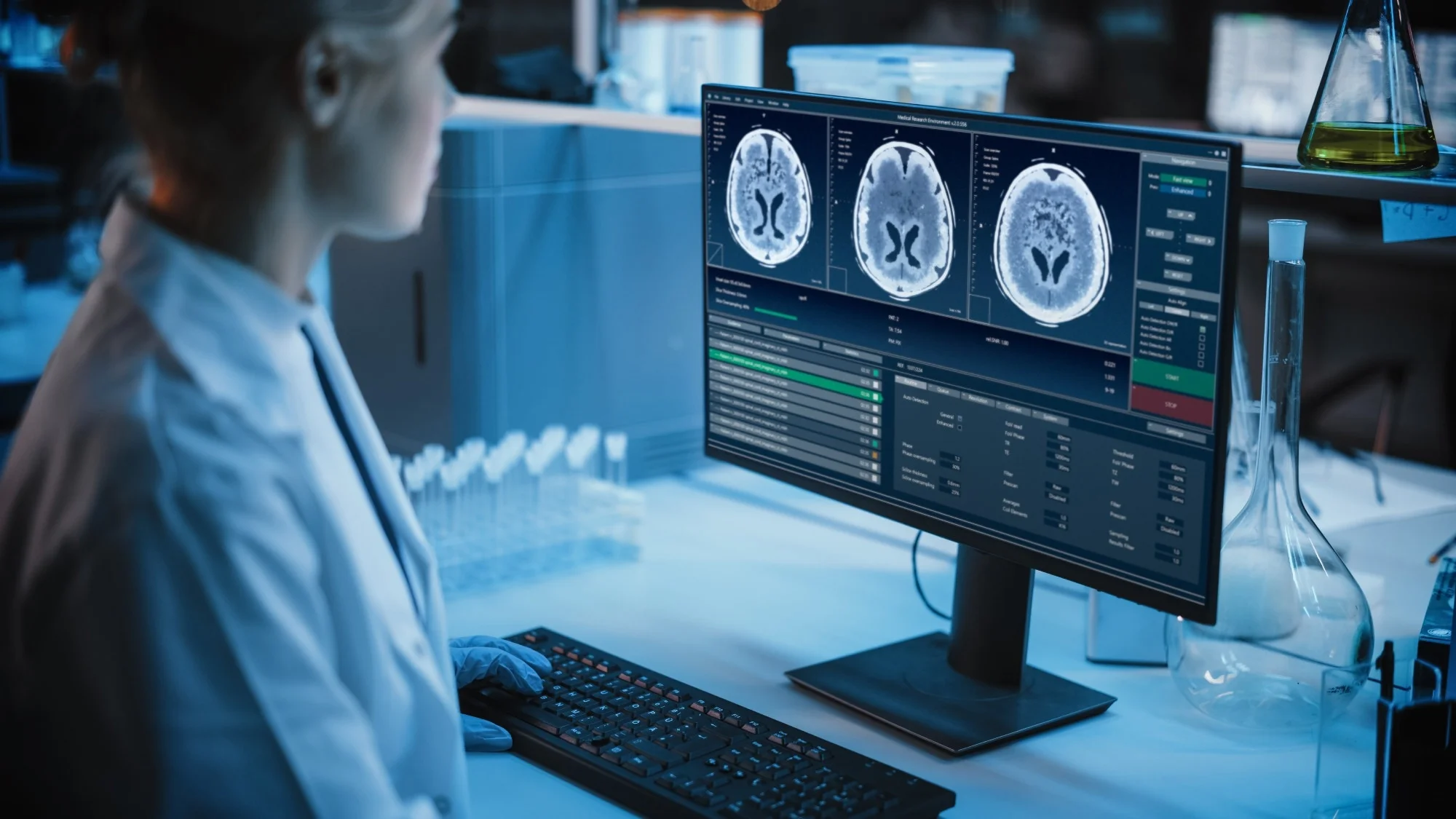
Advances in cancer care are giving patients access to precise, personalized, and effective treatment options. Oncologists use targeted therapies and other advanced techniques to develop treatment plans tailored to each patient’s diagnosis and needs. Here is a closer look at advancements in oncologist treatments for cancer patients:
Improving Cancer Detection
Early detection remains a key part of successful cancer care, and oncologists rely on improved screening methods to detect problems sooner. Imaging technology has grown sharper, so specialists can now detect small changes. When doctors detect cancer at an earlier stage, they often have more treatment approaches available, which can influence the options they discuss with you. Here are several detection methods that support oncologists during evaluation:
- High-resolution imaging: Scans that produce detailed pictures help doctors measure the size and location of a growth.
- Blood-based markers: Certain blood tests measure substances that may signal cancer activity in the body.
- Tissue sampling: A biopsy lets specialists examine cells directly and confirm a diagnosis with greater accuracy.
These tools enhance diagnostic precision and contribute significantly to early detection and tailored treatment strategies.
Personalizing Treatment Plans
No two patients respond to treatment in exactly the same way; oncologists are increasingly building plans around individual details. They study the specific features of a tumor, your medical history, and your general health, and then they design a plan that aligns with your situation. Genetic testing plays a significant role in this process, providing oncologists with information about how a cancer may behave. When doctors understand these traits, they can deliberate on which therapies may suit you and which ones to avoid. A personalized plan may combine surgery, medication, and follow-up monitoring, and your care team adjusts it as your condition changes over time.
Expanding Targeted Therapies
Targeted therapies focus on specific features within cancer cells, and this precision separates them from older treatments. Traditional approaches sometimes affected healthy cells alongside cancerous ones, but targeted methods aim to limit that overlap. Oncologists select these therapies based on genetic markers identified during testing, so the treatment matches the disease’s biology. Minimally invasive surgery has advanced alongside drug therapies, and it offers another option for patients. Surgeons use small incisions and specialized instruments, which can shorten recovery times for certain procedures.
Supporting Better Patient Outcomes
Modern cancer care extends beyond the treatment itself, and oncologists now pay close attention to the full patient experience. They coordinate with nurses, dietitians, and other specialists, so your support network addresses more than just the disease. This team-based structure helps patients stay informed and involved throughout each phase of care. Here are several practices that support patients during and after treatment:
- Symptom management: Doctors work to reduce discomfort so you can maintain daily routines during treatment.
- Nutritional guidance: Dietitians provide meal planning to support your strength and energy.
- Follow-up scheduling: Regular check-ins allow oncologists to track your progress and respond quickly to changes.
These ongoing efforts support a comprehensive approach to your care, promoting recovery and overall well-being.
Contact Oncologists for Expert Guidance
Effective cancer care requires a holistic approach that addresses symptom management, nutritional guidance, and consistent follow-up scheduling. This structured plan makes sure that patients receive the support and monitoring they need to maintain their well-being throughout treatment. Contact a reputable healthcare provider near you to book your consultation with qualified oncologists today.
