


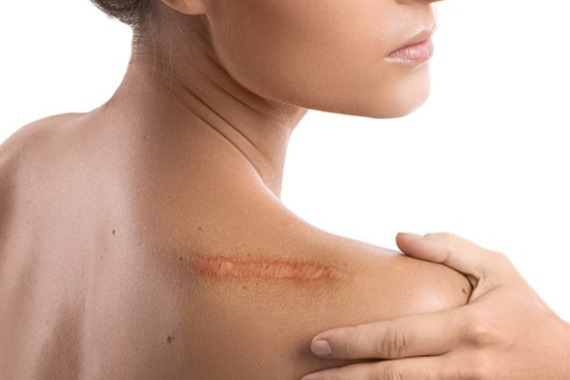
Scar correction refers to a range of treatments designed to improve the appearance and texture of scars that are left behind after surgery or injury. People pursue scar correction for many reasons; some goals include reducing redness, flattening raised tissue, or blending a scar more smoothly into the surrounding skin. A dermatologist can review the age and size of a scar to suggest which methods will fit an individual’s needs. Here is more information about approaches to scar correction:
Explaining Microneedling
Microneedling uses a device with fine needles, and these needles create tiny punctures in the surface of the skin. This controlled process encourages the skin to produce new collagen, and the added collagen can help soften the look of certain scars over time. Practitioners often recommend a series of sessions for scar correction rather than a single visit.
The treatment is frequently discussed for depressed or uneven scars, such as some acne or surgical scars. The needles reach only a specific depth, so the approach targets the layers where scar tissue tends to form. Recovery time is usually short, though the skin may appear red for a brief period afterward.
Understanding Dermal Fillers
Dermal fillers are substances injected beneath the skin to add volume in areas where tissue is sunken or thinned. For scars that create a dip in the skin’s surface, fillers can lift the depressed area so it sits closer to the level of the surrounding skin. The results are temporary, so you need repeat treatments to maintain the effect. A dermatologist selects the type of filler based on the scar’s location and depth, and the choice can influence how long the outcome lasts. This method is generally used for atrophic scars rather than raised ones.
Using Chemical Peels
Chemical peels involve applying a solution to the skin that removes the outer layers over the following days. As the treated skin sheds, newer skin emerges that may show a smoother texture and more even tone. Peels vary in strength, and various formulas reach different depths in the skin. Here are some things to know about aftercare for chemical peels:
- Keep the skin moisturized: Use a gentle, fragrance-free moisturizer to prevent dryness and promote healing.
- Avoid direct sun exposure: Protect your skin by staying out of the sun and wearing a broad-spectrum sunscreen.
- Refrain from picking or peeling the skin: Allow the treated skin to shed naturally to avoid irritation or scarring.
- Stay away from harsh skincare products: Avoid retinoids, exfoliants, or any strong ingredients until your skin has fully healed.
- Follow your provider’s instructions: Adhere to any specific post-treatment care guidelines provided by your dermatologist or skincare specialist.
Learn More About Scar Correction
Scar correction covers several methods that aim to improve how a scar looks and feels after surgery. There are also surgical techniques that focus on limiting scarring in the first place. Mohs microsurgery removes cancerous growths layer by layer, and this precise approach can help preserve healthy tissue while reducing the size of the resulting scar. To learn more about scar correction after surgery, consult a dermatologist near you.
