


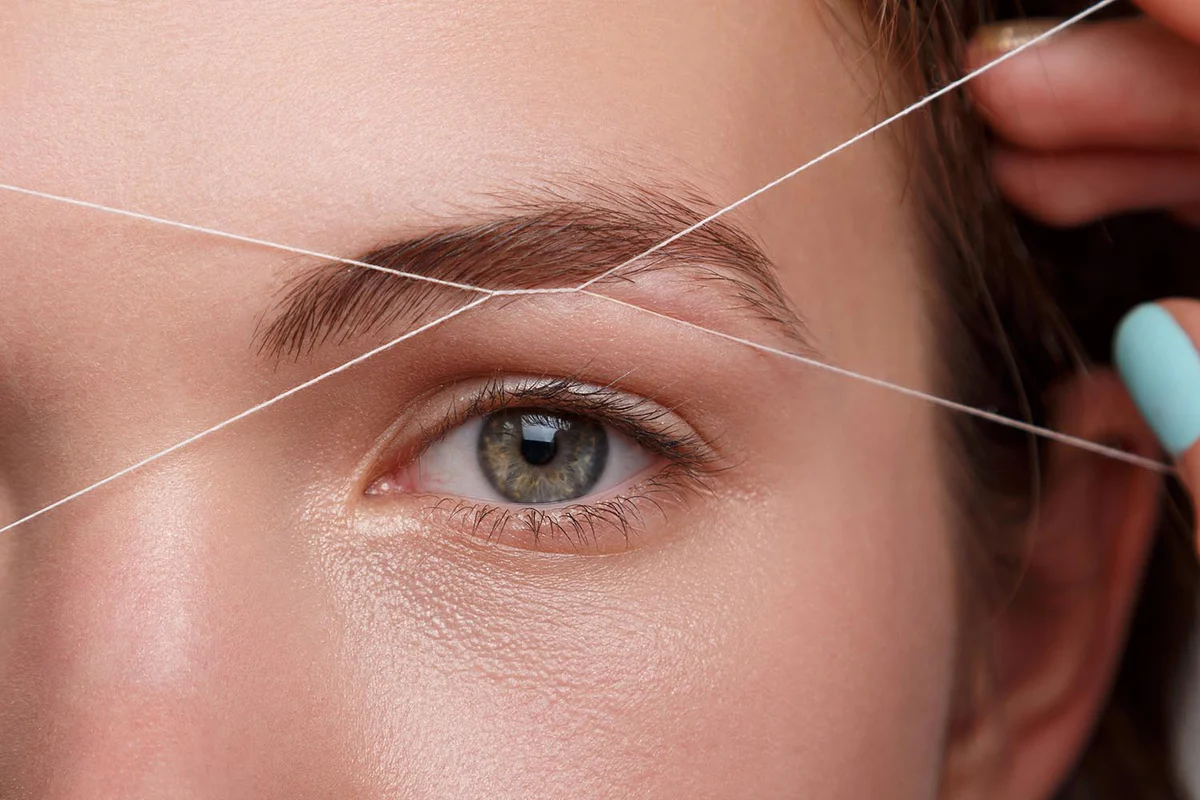
Eyebrow threading and waxing are two standard methods for hair removal. Threading uses a twisted cotton thread to pluck hair directly from the follicle, whereas waxing uses a resin-based substance to remove hair from the skin’s surface. Understanding the clinical distinctions between these procedures guides individuals in their dermatological care. Here is more information on these hair removal methods:
What Is Eyebrow Threading?
Eyebrow threading is an effective hair removal method available at some aesthetic clinics. The technique relies on a simple cotton thread, and it requires significant skill from the practitioner. The thread is doubled and twisted to create a mechanism that traps hair. This physical action removes multiple hairs directly from the root.
How Does It Work?
The mechanism of threading involves the precise manipulation of the cotton thread across the skin. A qualified practitioner rapidly opens and closes their hands, which glides the twisted thread over the targeted hairs. The twisted section securely catches the hair follicles, and the mechanical force extracts the hair completely from the pore.
This extraction process targets linear rows of hair simultaneously. The practitioner maintains continuous contact with the epidermal layer, but the thread does not adhere to the skin itself. This specific targeting allows for geometric precision in shaping the eyebrow arch. The hair follicle is removed intact without utilizing any chemical agents.
What Does the Process Involve?
A standard threading appointment begins with a brief consultation and a clinical skin assessment. The patient may sit while the practitioner cleanses the eyebrow area. The practitioner shapes the eyebrow to fit the natural facial structure. This threading action produces a slight friction sensation, and the process is relatively quick.
What Are the Benefits?
Threading presents several distinct advantages for patients requiring facial hair removal. This method does not remove the epidermis’ top layer, making it a safe option for individuals using retinoid medications. The thread’s precise nature allows practitioners to successfully isolate individual hairs. The results may last between three and four weeks.
Patients may observe a reduction in ingrown hairs compared to alternative techniques. The procedure uses only a single piece of cotton thread, eliminating the risk of introducing synthetic chemicals to the skin. This factor minimizes the probability of allergic contact dermatitis. Threading provides a highly controlled environment for hair extraction, and it helps patients with their grooming routines.
How Does Waxing Differ?
Waxing introduces a thermal and chemical component to the hair removal process. A practitioner applies heated wax directly to the epidermis, and they press a fabric strip over it. The wax adheres to both the hair shaft and the superficial skin cells. The strip is then rapidly pulled away in the opposite direction of hair growth.
This broad application makes waxing efficient for removing large patches of hair quickly. Waxing removes the stratum corneum along with the hair, whereas threading leaves this protective cellular layer intact. Patients with compromised skin barriers may experience adverse reactions from this mechanical exfoliation. The risk of thermal injury also exists if the wax temperature is unregulated.
Consult a Specialist Today
Eyebrow threading and waxing remain viable procedures for managing facial hair growth. Threading offers precision without chemicals, but patients should assess their individual skin sensitivity before undergoing either procedure. Schedule a clinical assessment with a certified practitioner to determine the most appropriate method for your specific physiological needs.
