


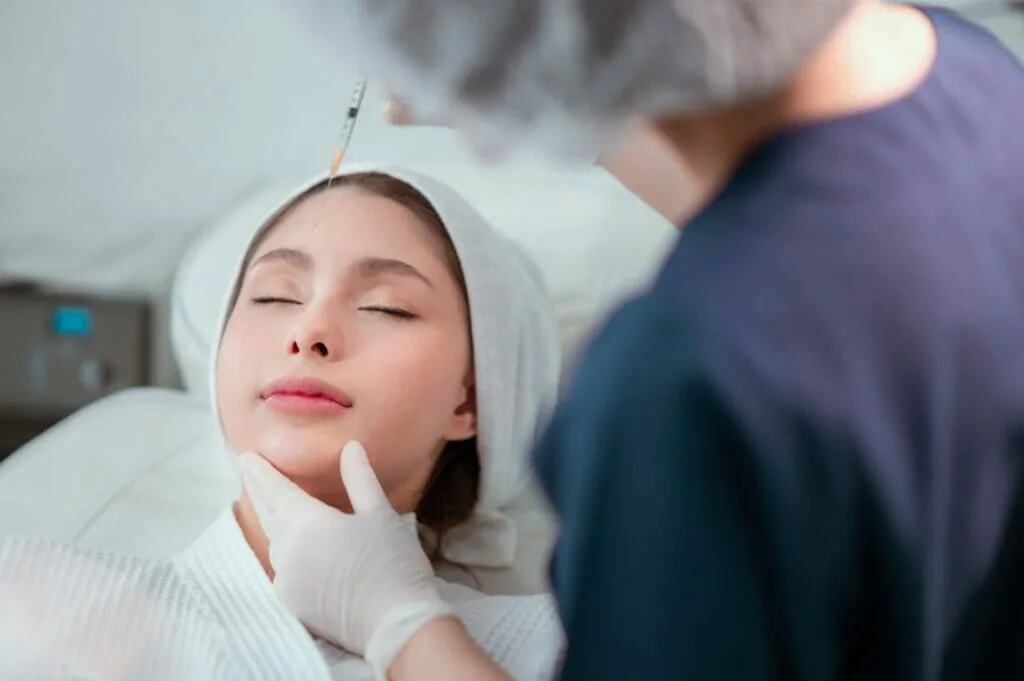
Dermatologists are specialized doctors who diagnose and treat various skin conditions in clinical settings. Because they study facial anatomy extensively, these trained professionals provide neurotoxin treatments to their patients. Neurotoxins address medical conditions related to muscles, and professionals administer these compounds within controlled environments. This is how dermatologists use neurotoxins for various skin concerns:
Softening Fine Lines
Natural aging slowly creates distinct facial lines, and repetitive daily expressions deepen these marks over time. Expert dermatologists place micro-doses of approved neurotoxins along these distinct creases during routine medical appointments. If licensed providers administer the correct medical dosage accurately, the deep lines appear significantly softer rapidly. Because human skin naturally loses elasticity over time, fine lines form directly around the eyes.
Relaxing Facial Muscles
Facial muscles contract daily, so repeated movements build tension over many years. When this underlying tension builds up, many patients experience discomfort across different parts of their faces. A dermatologist can inject precise amounts of neurotoxins directly into the affected muscle groups for targeted relief. The injected medication targets local nerve signals rapidly to stop the repetitive muscular contractions at once.
While targeted nerve signals are blocked by precise injections, the surrounding tissues remain completely unaffected. The targeted muscle slowly relaxes over a period of several days following the initial procedure. Trained doctors carefully map out internal facial structures, and they identify optimal injection sites for effectiveness.
Medical providers typically evaluate individual muscle mass thoroughly before starting any specialized clinical treatment plan. Male patients require different dosage amounts, but doctors customize each approach to achieve ideal outcomes. Because human facial expressions vary widely among individuals, personalized medical assessments guide the procedure.
Tightening Skin
While the primary medical focus remains on muscles, visible skin surface changes occur naturally. Doctors precisely target superficial dermal layers, and the corresponding skin areas react exactly to the medication. Neurotoxins occasionally alter the appearance of overall skin texture during standard routine medical procedures. Certified healthcare providers perform the following exact steps during their professional clinical skin treatments:
- Analyzing the surface texture carefully before starting the work
- Cleaning the designated injection area thoroughly with sterile solutions
- Applying the required treatment directly into the identified spots
Reducing Excessive Sweat
Excessive sweating disrupts daily life for many people, and dermatologists use neurotoxin injections to address this issue directly. The medication aims to temporarily block nerve signals that activate sweat glands, reducing overactivity in treated areas. Patients may find that underarm sweating is noticeably lower after these injections, and they receive reassurance during consultations. Dermal specialists determine placement and dosage after a detailed evaluation of sweat patterns and affected skin regions.
Before each session, the doctor discusses the patient’s health history, and a straightforward explanation of the process is provided. Some patients experience mild discomfort during the procedure, but most find the process manageable and quick. After receiving neurotoxin injections, follow-up checks enable the provider to address questions and support the patient.
Visit a Dermatologist
If you are interested in medical neurotoxin treatments, consulting a dermatologist is a practical step forward. These specialists have the knowledge to answer your questions and help you understand potential options. By working with a qualified doctor who reviews your concerns and medical history, you receive care that supports your goals. Schedule an appointment with a dermatologist to learn more about available treatments and discuss what approach might be right for you.
