


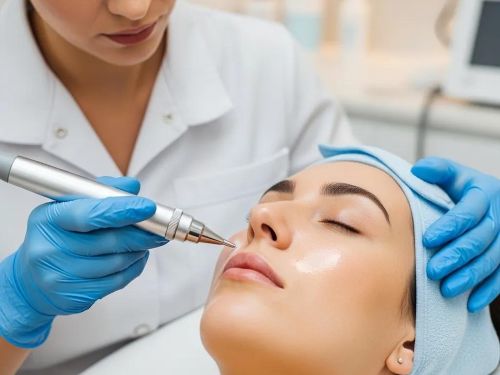
Aesthetic dermatology focuses on improving the skin’s appearance while preserving its natural qualities. It helps address concerns such as uneven skin tone, wrinkles, volume loss, and changes in skin texture. Here is more information on how to enhance your natural appearance with aesthetic dermatology:
Assessing Your Aesthetic Goals
Every plan begins with a conversation about what you want to change. An aesthetic dermatology practitioner examines your skin, reviews your history, and discusses realistic outcomes; this step establishes a shared understanding. Clear goals guide the treatment selection, and they help you determine the approaches that suit your timeline. Here are a few areas an assessment covers:
- Primary concerns: The specific features you want to refine, such as fine lines, uneven texture, or volume loss.
- Skin type and sensitivity: These are factors that influence which treatments a practitioner recommends and how your skin responds.
- Downtime tolerance: The recovery period you can accommodate, which affects the pace and intensity of treatment.
These details allow you and your provider to build a plan grounded in your actual needs.
Rejuvenating Skin Texture
Skin texture changes over time, and factors such as sun exposure, age, and environment play a role. Aesthetic dermatology offers treatments that target rough patches, enlarged pores, and surface irregularities, aiming to create a smoother and more even appearance. A practitioner matches each method to your skin type.
Some treatments work at the surface, while others reach deeper layers to support renewal. Chemical exfoliation and resurfacing procedures all fall within this category, and each one addresses texture in a distinct way. A practitioner will explain the expected timeline and adjust the plan as your skin responds.
Correcting Tone and Pigmentation
Uneven tone can result from sun damage, hormonal shifts, or past blemishes. Aesthetic dermatology includes treatments that target dark spots, redness, and discoloration, and these methods aim to create a more balanced complexion. A practitioner identifies the cause first, so the treatment addresses the root rather than the surface alone. Here are several options that can help you manage pigmentation:
- Topical formulations: Prescribed products that gradually fade discoloration with regular use.
- Light-based procedures: Treatments that target pigment beneath the surface while leaving surrounding skin intact.
- Gentle peels: Controlled exfoliation that removes dull, uneven layers and encourages fresh skin.
Each option has its own timeline and care routine, and a practitioner will guide you toward the method that aligns with your skin.
Restoring Facial Balance
Facial balance refers to the harmony between features, and small changes over time can change how proportions appear. Aesthetic dermatology offers treatments that support structure and volume, and these procedures aim to maintain your natural look rather than reshape it. A practitioner studies your features as a whole, so adjustment complements the rest of your face.
Volume loss often occurs gradually, and it can affect the cheeks, under-eye area, and jawline. Injectable treatments and other non-surgical options can restore subtle fullness, and a skilled practitioner applies them with restraint. This careful technique keeps the outcome believable and proportionate. A practitioner will recommend gradual adjustments and monitor how each change settles.
Schedule Your Aesthetic Dermatology Consultation
Restraint and precision are fundamental to achieving natural and balanced results. Gradual adjustments promote subtle enhancements that align with your natural features, avoiding exaggerated outcomes. Skilled practitioners prioritize this careful approach, tailoring treatments to individual needs while monitoring progress to achieve optimal results. Contact a qualified dermatologist near you to schedule your aesthetic dermatology consultation today.
