


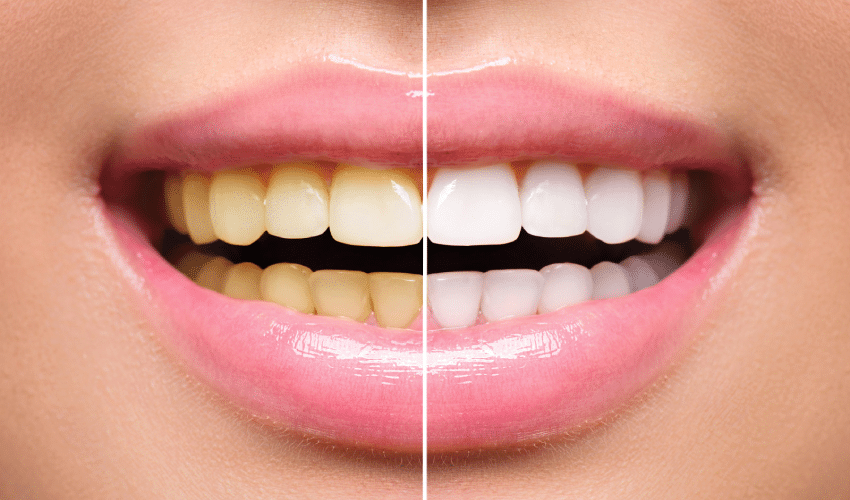
Various clinical treatments exist to help dental patients whiten their teeth. Teeth whitening is a standard procedure in modern dentistry, but patients benefit from selecting the right approach for their specific needs. Here is more information on these treatments and the differences between the available options:
What Is Teeth Whitening?
Teeth whitening is a cosmetic dental procedure that lightens the natural color of the dentition. The process uses specific bleaching agents that break down stains on the enamel surface. Dentists evaluate a patient’s oral health before recommending this procedure, and they verify that the teeth have no underlying decay. Patients can discuss this option during a consultation with a dental care provider.
What Are the Available Methods?
Dental professionals generally categorize these treatments into two distinct clinical methods. Patients either undergo an in-office whitening procedure or opt for a take-home kit provided by the dentist. Both options utilize peroxide-based bleaching compounds, but the concentration of the active ingredient may vary. The dentist will evaluate the specific discoloration in order to recommend the most appropriate method for each case.
In-office treatments involve applying high-concentration gels directly to the teeth. Take-home kits may contain lower concentrations of the bleaching agent, and patients apply the product using custom-fitted trays over a period of weeks. Patients can choose the supervised clinic setting for faster action. Both methods yield distinct timelines that accommodate different patient preferences.
What Does the Process Involve?
The clinical procedure begins with a comprehensive dental examination to verify oral health. The dentist checks for cavities or gum disease, and they review the patient’s medical history. For in-office treatments, the practitioner protects the gums with a barrier before applying the bleaching agent. They leave the gel on the teeth for a set period before rinsing it away.
The take-home process requires an initial visit to take impressions of the dental arches, and the dental laboratory uses these impressions to fabricate custom bleaching trays. The patient receives the trays along with bleaching gel. A dentist will provide specific usage instructions. The patient applies the gel at home according to clinical guidelines, enabling a gradual yet effective change.
What Are the Expected Results?
Clinical outcomes vary based on the initial shade of the teeth and the chosen method. In-office treatments often produce immediate results, and patients may see a difference of several shades after a single session. Take-home kits require consistent use over several weeks to achieve similar results. Dental professionals may record the starting shade to measure the progress accurately.
Results are not permanent, so patients must maintain their oral hygiene. Consuming staining foods will degrade the whitening effect, and smoking will accelerate discoloration. Dentists may recommend periodic touch-up treatments, which help maintain the desired shade. Patients should follow all clinical advice to prolong the longevity of the whitening treatment.
What Are the Benefits?
This cosmetic dental procedure effectively removes extrinsic stains caused by specific foods, beverages, and tobacco use. Patients achieve a lighter tooth shade, which improves their overall smile. Professional treatments provide a controlled environment for applying bleaching agents, and dental supervision may reduce the risk of gum irritation. Patients can effectively improve the appearance of their dentition with professional guidance.
Choose a Method Today
Selecting a specific teeth whitening procedure requires a clear understanding of the available clinical options. You can evaluate the differences between in-office applications and take-home trays to decide which timeline aligns with your goals. The dental provider will assess your oral cavity, and the clinic will formulate a precise treatment plan for your teeth. Contact your local dental office to schedule an evaluation.
