


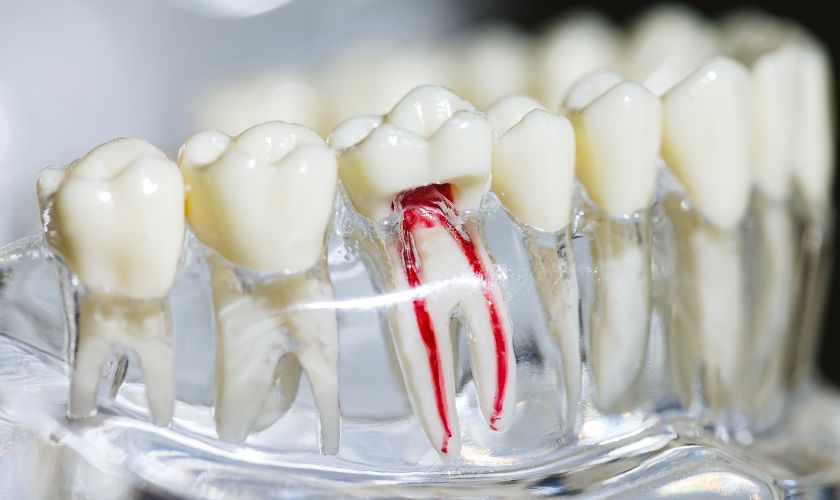
A root canal is a standard dental procedure. This treatment addresses infected tissue within the tooth, and it helps preserve the natural tooth structure. Knowing what to expect after the procedure helps patients prepare. Here is more information on this procedure and what the recovery process involves:
What Is a Root Canal?
A root canal is an endodontic therapy designed to eliminate bacteria from the infected root canal system. Dentists remove the inflamed or infected pulp, and they carefully clean and disinfect the inside of the tooth. The tooth is then filled and sealed to prevent further infection. This procedure saves the natural tooth, preventing the need for an extraction or a dental implant.
How Does It Work?
The procedure begins with the administration of a numbing medication, which helps manage pain during treatment. The dentist places a small protective sheet over the area to isolate the tooth. An opening is made in the crown of the tooth, and small instruments are used to clean the pulp from the pulp chamber and root canals. The space is then shaped for the filling material.
After the space is cleaned and shaped, the dentist fills the root canals with a biocompatible material called gutta-percha. Gutta-percha is placed with adhesive cement to seal the root canals, and a temporary filling is usually placed to close the opening. This temporary filling is removed by the dentist before the tooth is restored. A crown or other restoration is placed on the tooth to protect it and restore it to full function.
What Does It Treat?
This therapy treats deep decay, and it addresses issues caused by repeated dental procedures on the tooth. Faulty crowns or a crack in the tooth can also lead to pulp infection. If pulp inflammation or infection is left untreated, it can cause pain or lead to an abscess. The procedure removes the source of the infection, and it stops the progression of the dental disease.
What Is Recovery Like?
Patients may experience mild discomfort for a few days after the procedure, and this is a normal part of the healing process. The area around the tooth may feel sensitive due to inflammation of the surrounding tissues. Over-the-counter pain medications help manage this discomfort, enabling patients to resume their normal activities. The sensitivity gradually decreases as the tissues heal completely.
Biting on the treated tooth may feel different for a short period. Patients should chew on the opposite side of their mouth until the final restoration is in place, as this prevents damage to the temporary filling. If severe pain or pressure lasts more than a few days, patients should contact their dentist. Complete structural recovery happens after the final crown is cemented, and this final step protects the tooth from future fractures.
How Can Recovery Be Supported?
Following specific post-operative instructions supports the healing process and minimizes the risk of complications. Patients should brush and floss their teeth as usual to maintain oral hygiene. A soft food diet is recommended for the first few days, and patients should avoid chewing hard or sticky foods. Maintaining regular dental visits allows the dentist to monitor the healing of the treated tooth, which supports overall oral health.
Seek Professional Guidance Today
A root canal is a standard procedure with a generally straightforward recovery process. Understanding the steps involved helps patients manage their symptoms effectively. Proper care and monitoring may lead to a fully restored tooth, thereby preventing future complications. Contact a local dental clinic to schedule a consultation, or reach out to a specialist to discuss your specific symptoms and treatment options.
