


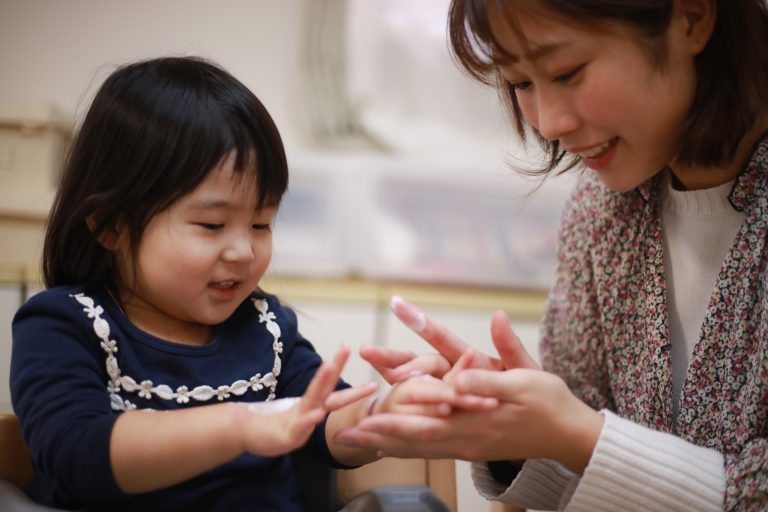
Eczema is a condition that appears as dry, red, and itchy skin. Some eczema organizations provide support to caregivers for children experiencing this skin condition. Parents can learn how to manage their child’s condition; they are also taught how to recognize triggers of eczema. Here is more information about childhood eczema resources:
Pediatric Dermatologists
Meeting with a doctor allows you to form a treatment plan, providing you with additional childhood eczema resources. Immunosuppressants, oral steroids, and other systemic medications require a doctor’s supervision. Some pediatric dermatologists are familiar with moderate and severe eczema; this allows them to find appropriate treatments for your child and helps you safely explore different options.
Treatment Trackers
A treatment tracker is an online tool that provides more information about what medications are currently available for eczema. It divides treatments into categories; it includes oral tablets, injectionables, and topical treatments. This allows you to see what is currently available on the market.
Trackers can offer more details about specific treatment options by providing the product’s safety information, efficacy, and availability. This includes links to case studies that demonstrate how well the treatment works. Some trackers also provide information about the efficacy of natural remedies, such as coconut oil, aloe vera, and moisturizers. Having information about available medication allows you to discuss different options with your doctor, and it helps you make educated decisions.
Support Groups
Find online or community support groups for caregivers of children with eczema; this allows you to connect with other parents or caregivers, exchange tips, and answer questions. Some groups provide additional resources by emailing members evidence-based information about eczema management and parenting strategies. This offers free access to materials.
Itch Management Strategies
The itch-stratch cycle involves a child scratching to relieve symptoms, which may result in greater inflammation and increased itching. Finding resources that teach management strategies can soothe the itch while helping your child cope with strategies to prevent scratching. Strategies include ways to physically relieve the itch, such as:
- Wet wraps: This refers to using an ointment on the skin and using a double layer of cotton bandages. This helps the skin heal and makes it harder to scratch.
- Baths: A bath or shower can help with the itch by washing off possible irritants. It also moisturizes the skin.
- Moisturizers: These are able to strengthen the skin barrier to protect against itching. A triple lipid product can be effective at helping children with eczema.
Cold packs and wet cloths offer quick relief. Distractions are also helpful for preventing scratching; they allow your child to focus on something besides the itch. This includes playing with toys and reading a book. Activities that keep your child’s hands busy can also prevent scratching. Options include providing them with a stress ball or fidget toy, giving them drawing materials, or doing crafting activities, such as knitting.
Mind and body relaxation techniques offer additional tools to distract from the itch; this includes imaging, belly breathing, and focusing on the surrounding environment. Some organizations offer printouts that list different coping strategies for you to reference. Printable pain scales also help your child communicate their level of itchiness.
Books About Eczema
Finding picture books that discuss eczema can help you communicate with your child about how the condition works and how it affects them. Some childhood eczema organizations with support groups provide a list of relevant books for you to share with your child. You can also provide a teacher with copies of the book to share with your child’s classmates in a classroom library or to read to the class; this helps keep coping strategies in your child’s mind during school days.
Find Childhood Eczema Resources
Finding childhood eczema resources allows you to learn more about the condition, and it helps you find ways to manage eczema and support your child. Childhood eczema organizations also provide information about triggers and school resources. To learn more about eczema, find a childhood eczema organization today.
