


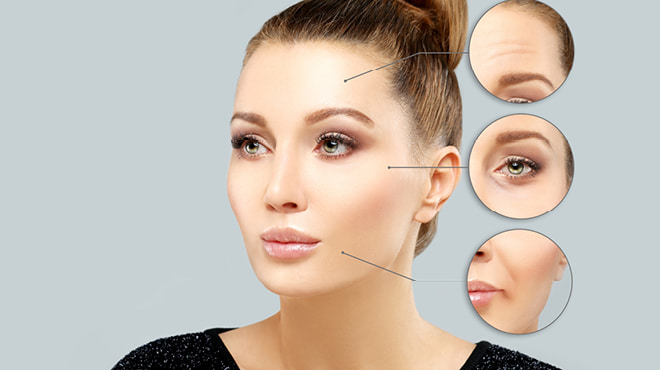
Aging causes structural changes in the skin. Dermatologists treat patients seeking to reduce the appearance of facial lines, and Botox remains a standard clinical option. Understanding the underlying mechanisms helps patients make informed decisions about their dermatological care. Here is more information on this treatment option and its benefits for treating wrinkles:
What Are Wrinkles?
Wrinkles are creases or folds that develop in the skin over time, and they typically appear on sun-exposed areas like the face and neck. The natural aging process causes a decrease in collagen production, leading to thinner skin. Repeated facial expressions also contribute to the formation of dynamic lines. Patients benefit from consulting dermatologists when these physical changes become prominent, as they can provide effective treatment options, such as Botox.
What Is Botox?
Botox is a brand name for botulinum toxin type A, a purified protein derived from bacteria. Medical professionals use this substance in controlled, therapeutic doses for cosmetic and medical applications. It temporarily improves the appearance of moderate-to-severe facial lines. Clinicians administer it directly into the targeted tissue, and localized relaxation results in a smoother appearance of the overlying skin.
How Does It Work?
The mechanism of action relies on blocking communication between nerves and muscles. A dermatologist injects the precise dose into the muscle, and the medication binds to the nerve endings. This binding process stops the nerves from signaling the muscle to move. The targeted muscle gradually relaxes over several days following the administration.
Once the muscle relaxes, the skin above it no longer folds during facial expressions. The existing lines begin to soften, and new lines are less likely to form during the active treatment period. The body eventually metabolizes the protein over a period of three to four months. Normal muscle activity resumes gradually as the medication wears off.
What Does the Process Involve?
A clinical consultation precedes treatment to assess patient suitability. A dermatologist reviews the patient’s medical history, and they examine the specific facial areas of concern. This evaluation helps determine the appropriate dosage and the precise injection sites. The provider may then explain the anticipated outcomes.
The injection process typically takes a few minutes in a clinical setting. A healthcare professional cleans the treatment area and applies a topical anesthetic. A fine needle is used to administer the medication into specific muscles, and post-treatment care instructions guide the patient on activities to avoid immediately following the procedure. The clinician may schedule a follow-up appointment to assess the final results.
What Are the Benefits?
A primary clinical advantage is the visible reduction of dynamic wrinkles on the forehead and around the eyes. The treatment provides a smoother skin texture, and patients may observe results within one to two weeks. The procedure is minimally invasive compared to surgical interventions. It requires no general anesthesia or prolonged recovery periods.
Regular treatments can also serve a preventative function for younger patients. Consistent muscle relaxation may prevent deep lines from becoming permanent fixtures on the face, and this helps maintain a youthful appearance. The temporary nature of the medication allows patients to adjust their treatment plans over time. Providers can tailor the dosage to achieve subtle or more pronounced clinical outcomes.
Consult a Dermatologist Today
Botox offers an effective way to manage facial lines, and it provides predictable results for suitable candidates. The treatment effectively relaxes the targeted muscles, smoothing the overlying skin. A qualified provider will assess your specific needs, and they will develop an appropriate clinical strategy. Schedule an initial consultation today to determine if this treatment aligns with your clinical goals.
