


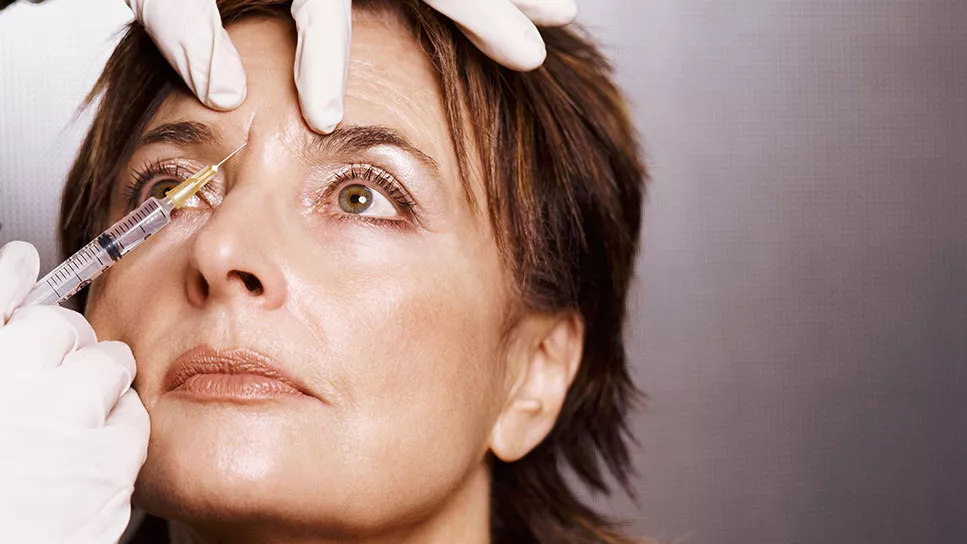
Botox, a purified form of botulinum toxin, is an injectable treatment used worldwide. It works by temporarily restricting the movement of specific muscles or blocking the activity of certain glands. A single treatment typically produces results that last for three to six months, but receiving these injections consistently over several years creates distinct long-term effects. These lasting changes impact both the physical structure of your treated muscles and the condition of the overlying skin. Understanding these long-term outcomes helps you make informed decisions about your ongoing care.
Comprehensive Understanding of Botox Uses
To comprehend the long-term effects of this treatment, it is helpful to understand its basic mechanism. Botox blocks nerve signals to the targeted muscles, and this prevents them from contracting. Because the treated muscle cannot move as forcefully, the tension in that specific area decreases.
Over time, limiting muscle movement changes how your body responds. Muscles that are not used regularly begin to lose their mass and strength. This natural process is known as muscle atrophy, and in the context of cosmetic and medical injections, this atrophy is often the desired outcome. It reduces the underlying cause of wrinkles or physical discomfort.
Cosmetic Benefits and Factors
The most recognized application of this treatment is for facial aesthetics. When used consistently over the years, the long-term effects on the face become pronounced. Many people use Botox to smooth facial wrinkles, but it can also relieve certain medical conditions.
When evaluating the long-term cosmetic effects, you can expect the following changes:
- Muscle retraining: After years of limited movement, your facial muscles learn to stop making the unconscious expressions that lead to deep lines, such as frowning or squinting.
- Reduced wrinkle formation: Because the skin is not constantly folding and creasing, new dynamic wrinkles struggle to form, keeping the skin surface smoother over time.
- Muscle thinning: Due to sustained lack of use, the targeted facial muscles may thin out. This can lead to a slight alteration in facial volume in the treated areas.
- Prolonged results: Many individuals find that after years of regular injections, they can go longer periods between their maintenance appointments because the muscles remain weak.
Medical Applications and Implications
Beyond cosmetic enhancements, practitioners administer these injections to manage persistent physical challenges. The mechanism that restricts facial expressions also effectively targets overactive nerves in other parts of the body. Regular treatments train the muscles and glands to relax, so you may need fewer sessions over the years.
Long-term medical applications typically address the following issues:
- Excessive sweating: Also known as hyperhidrosis, this condition is characterized by overactive sweat glands. Injections block the nerve signals that tell the glands to produce sweat. Long-term use can consistently manage the condition, providing ongoing comfort and dryness in areas such as the underarms and palms.
- Muscle spasms: For individuals dealing with involuntary muscle contractions, such as eyelid twitching or neck spasms, injections provide localized relief. Over time, managing these spasms reduces the chronic physical stress placed on the affected body parts.
Ask a Dermatologist Today
Understanding how treatments affect your body over the span of years is a key part of managing your health and appearance. Because every individual has a unique anatomy and different goals, a generalized approach is rarely sufficient. Professional guidance confirms that any long-term treatment plan aligns with your specific needs. Speak with a board-certified dermatologist to discuss your options; they can evaluate your medical history, assess your current condition, and help you understand how consistent treatments are able to impact your body in the future. Ask your provider any questions you have about the process to help you be fully informed about your care.
