


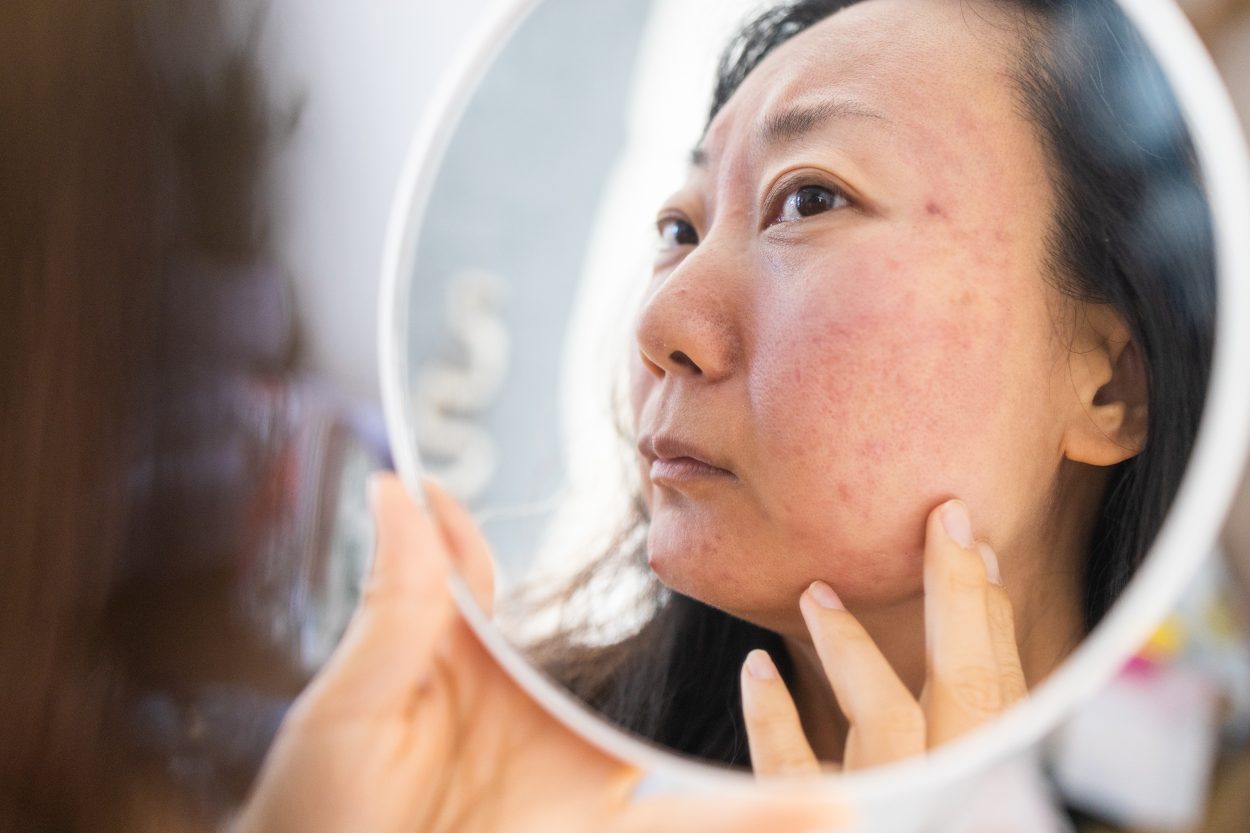
Rosacea can affect skin comfort and overall confidence, especially when symptoms become persistent or more visible over time. A dermatologist can evaluate the severity of the condition, identify possible triggers, and recommend treatments tailored to the patient’s specific needs. Here is more information about innovative dermatological treatments for rosacea:
Personalized Rosacea Support
When a dermatologist examines your skin, they assess your specific symptoms to develop a tailored approach. Practitioners understand that no two cases are identical, so they analyze your specific presentation before prescribing targeted medications. Here’s how they personalize rosacea care:
- Trigger identification: Providers help patients recognize specific environmental or dietary factors that provoke flare-ups.
- Symptom categorization: The specialist determines the exact subtype of rosacea to guide clinical decisions.
- Regimen development: Professionals select targeted topical agents or oral medications based on individual severity.
This structured clinical assessment forms the foundation of effective management. Patients receive clear instructions, and the medical team monitors progress during follow-up visits. If symptoms persist despite initial interventions, the dermatologist adjusts the clinical protocol accordingly.
Calming Daily Skin Care
While medical treatments target severe symptoms, gentle home care routines protect the delicate skin barrier. Patients must select non-irritating cleansers, and they should avoid products with harsh chemicals or fragrances. A dermatologist may recommend applying a broad-spectrum sunscreen every morning; this helps protect the face from ultraviolet radiation, which can exacerbate redness. Proper daily skin maintenance is a key component of overall management.
Effective In-Office Treatments
When topical medications fail to produce adequate results, a dermatologist may introduce in-office procedures. These interventions target visible blood vessels, and they reduce overall facial inflammation. Here are some key treatments they often recommend:
- Laser therapy: Dermatologists use vascular lasers to collapse visible blood vessels and reduce persistent erythema.
- Intense Pulsed Light: This device emits broad-spectrum light to reduce overall redness and improve skin tone.
- Mild chemical peels: Practitioners apply specific clinical acids to exfoliate the top layer of skin and smooth irregular textures.
These procedural interventions require specialized training and medical equipment. A dermatologist performs these treatments safely, and they monitor the skin’s response closely.
Long-Term Combined Care
Clinical success often depends on a multifaceted therapeutic approach. As the condition fluctuates over time, a dermatologist may combine different modalities to achieve sustained remission. Clinicians prescribe daily oral medications, and they schedule periodic laser sessions to address redness. This comprehensive strategy addresses the disease from multiple angles, and it can provide fundamental relief while the patient learns to navigate environmental triggers.
Long-term management requires an ongoing partnership with a dermatologist. Patients attend regular evaluations, and the doctor refines the treatment protocol based on clinical observations. If a patient experiences a sudden exacerbation, the skin specialist implements prompt corrective measures.
See a Dermatologist Today
Effective management of rosacea requires a multifaceted approach, combining targeted treatments with consistent daily care. Regular evaluations by a qualified dermatologist allow for tailored interventions that address acute flare-ups and long-term maintenance. Adhering to professional advice and committing to a structured routine can help patients preserve skin health and enhance their quality of life. Contact a qualified dermatologist near you to schedule your rosacea appointment today.
