


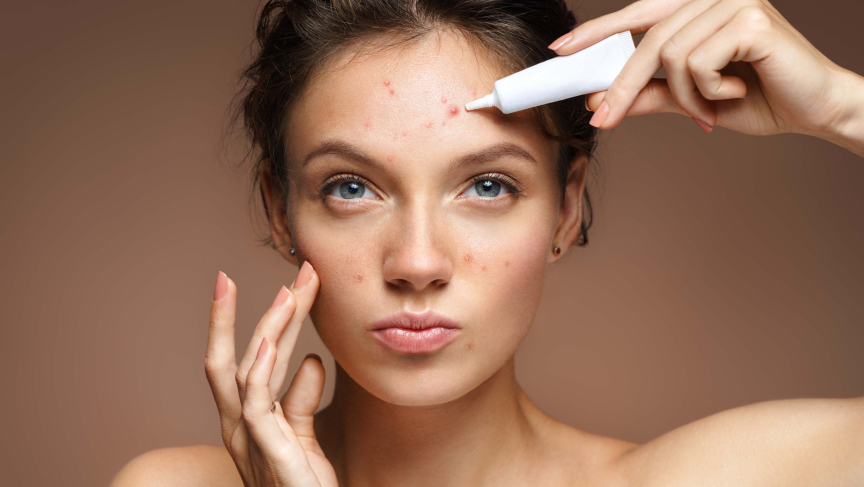
Acne treatment is a fundamental component of dermatologic care, focusing on reducing breakouts, minimizing inflammation, and preventing long-term skin damage. Among the various approaches available, topical solutions remain a widely used and effective option for managing mild to moderate acne. These treatments target the skin directly, addressing concerns such as clogged pores, excess oil production, and bacterial growth.
Choosing Effective Over-the-Counter Acne Ingredients
When you walk into a pharmacy, you’ll find dozens of products that promise to treat breakouts, but knowing which ingredients to look for can simplify your search. Salicylic acid is a popular choice; it works by clearing debris from your pores and gently exfoliating your skin, which helps prevent future blockages. Many people with mild acne find this ingredient effective for daily use. Another key ingredient is benzoyl peroxide, which targets the bacteria that cause blemishes and helps dry out active pimples.
Alpha-hydroxy acids (AHAs) such as glycolic and lactic acids also play a key role in acne treatment. These acids remove dead skin cells to give your skin a smoother look, and they can help fade marks from old blemishes for a brighter complexion. If you incorporate AHAs into your routine, pay close attention to sun protection, as they can make your skin more sensitive to UV rays.
Using Prescription Topical Treatments
When over-the-counter options don’t work, a prescription acne treatment may be necessary. Healthcare providers often recommend topical retinoids, which are derived from vitamin A. They prevent hair follicles from becoming plugged. While these powerful creams require consistent use, they can be very effective for persistent breakouts. Another approach is to use prescription-strength topical antibiotics, which limit the growth of acne-causing bacteria.
Azelaic acid is another option your provider might prescribe. This naturally occurring acid calms the skin and removes dead skin cells that clog pores, making it a productive choice for those with sensitive skin. Since each treatment works differently, it is necessary to discuss these prescription therapies with a professional.
Exploring Natural Topical Options
If you prefer a gentler approach, you can explore natural alternatives for your pimple treatment routine. Tea tree oil is a popular botanical extract; many people apply it to blemishes to calm them. To prevent irritation, dilute tea tree oil with a carrier oil; it has skin-soothing properties and is a great choice for holistic acne management.
Other natural remedies can also support your skin, but you should always monitor how your skin responds. Aloe vera gel offers a soothing effect, while witch hazel acts as a mild astringent to manage oil. Some people use honey masks for their gentle, hydrating properties, and clay masks help draw out impurities from pores.
Matching Acne Treatment to Skin
To choose the right acne product, you first need to understand your skin type. Oily skin can often handle stronger ingredients like benzoyl peroxide or salicylic acid. Gel-based formulas work well because they don’t add extra moisture. If you have dry or sensitive skin, approach these ingredients with caution to avoid dryness and flaking. Lower concentrations of active ingredients are a good start, and since creams provide more hydration than gels, they help protect your skin’s moisture barrier.
Combination skin can be tricky because it requires different care for different areas. You might apply a stronger treatment to your oily T-zone while using a milder product on your drier cheeks. This targeted approach can be very effective. Paying attention to how each area reacts is key, so you’ll know how to adjust your routine for effective results.
Start Your Acne Treatment Today
Managing persistent breakouts on your own can be daunting, but professional help makes it easier. Exploring topical treatments for acne provides a foundation of knowledge, yet personalized guidance makes a significant difference. If over-the-counter options are not working, it is time to contemplate other effective treatments with professional support. Book a consultation with a specialist near you for a comprehensive, holistic approach to help you uncover your unique triggers and design a tailored treatment plan for healthy skin.
