


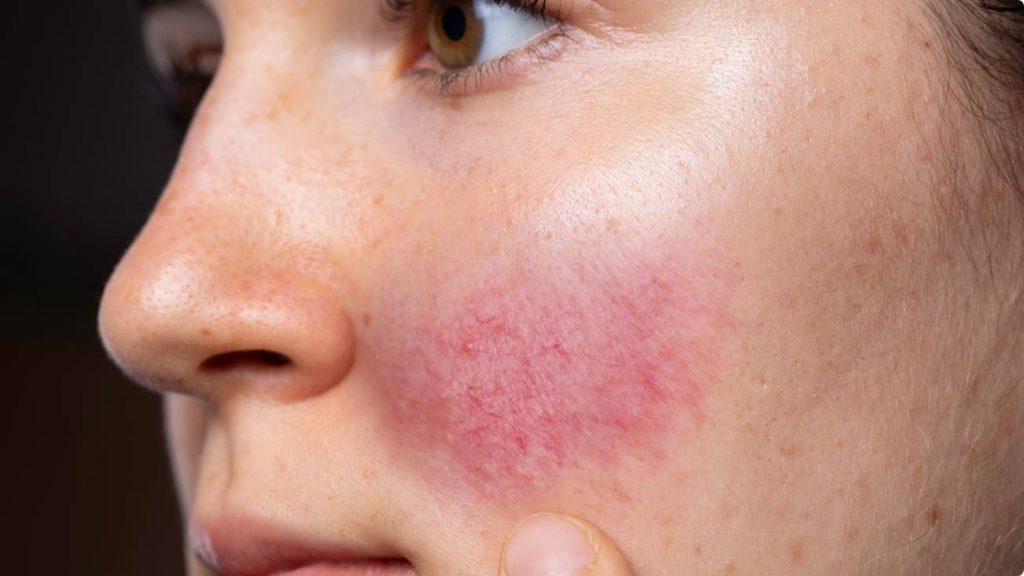
Rosacea is a chronic skin condition that may cause facial redness, visible blood vessels, bumps, and increased skin sensitivity. Flare-ups can be triggered by factors such as sun exposure, stress, temperature changes, or harsh skincare products. Here are some tips for managing rosacea flare-ups and skin sensitivity:
What Triggers Rosacea?
Various environmental and lifestyle factors exacerbate rosacea. When individuals track their daily habits, they often discover specific patterns. Here are some common triggers:
- Sun exposure: Ultraviolet rays irritate sensitive skin.
- Temperature changes: Extreme heat or cold causes sudden flare-ups.
- Dietary choices: Hot beverages, spicy foods, and alcohol may stimulate blood vessels.
- Physical exertion: Heavy exercise elevates body heat and increases facial redness.
- Emotional stress: Anxiety triggers physical reactions in the body.
Once a person identifies their specific triggers, they can modify their routine. Keeping a daily journal helps track reactions, and it provides useful data for dermatologists.
How Can Flare-Ups Be Managed?
Daily maintenance requires a gentle approach. If a patient experiences a flare-up, they should apply cool compresses to the skin. Sun protection is a daily requirement, and a broad-spectrum sunscreen can prevent severe reactions.
Skin care products demand careful selection when dealing with rosacea. While some cosmetics promise relief, harsh chemicals often cause more damage. Dermatologists recommend fragrance-free cleansers, and they advise against abrasive exfoliants. Rubbing the skin may also increase redness. Dietary adjustments also play a role in managing symptoms. Spicy dishes may trigger facial flushing, but cooler meals keep the skin calm.
What Reduces Skin Irritation?
A fundamental skin care routine can minimize daily discomfort associated with rosacea. Mild formulations protect the skin barrier, and they reduce ongoing redness. Here are some tips for reducing skin irritation:
- Gentle cleansing: Wash the face with lukewarm water and a non-abrasive cleanser.
- Moisturization: Apply a barrier-repairing lotion to trap water in the skin.
- Sun protection: Use a zinc oxide or titanium dioxide sunscreen every morning.
- Cosmetic selection: Pick oil-free makeup to avoid clogged pores.
These steps help keep the skin calm. Although immediate results vary, consistent care often produces long-term improvements.
When Is Professional Care Needed?
Medical intervention provides targeted relief for severe symptoms. When topical creams fail, dermatologists prescribe oral medications. Professionals assess the inflammatory skin condition, and they develop a clinical treatment plan.
Advanced technologies treat persistent redness effectively. As patients explore options, they should review laser therapies; these tools deliver precise energy to the affected areas. Photo Dynamic Therapy also reduces inflammation efficiently. Dermatologists adjust the treatment parameters during each visit.
Prescription treatments target the underlying causes of the bumps. Although exact causes remain unknown, specific medications can control the immune response. Dermatologists create specific regimens, and they educate patients on proper application.
Schedule Your Rosacea Appointment Today
Managing rosacea effectively requires a combination of professional treatments and personalized care routines. Light-based therapies can reduce redness and improve skin texture under a dermatologist’s guidance, while prescription medications address underlying triggers and flare-ups. Education and consistency are key in minimizing symptoms and achieving long-term results. Contact a trusted dermatologist near you to schedule your rosacea appointment today.
