


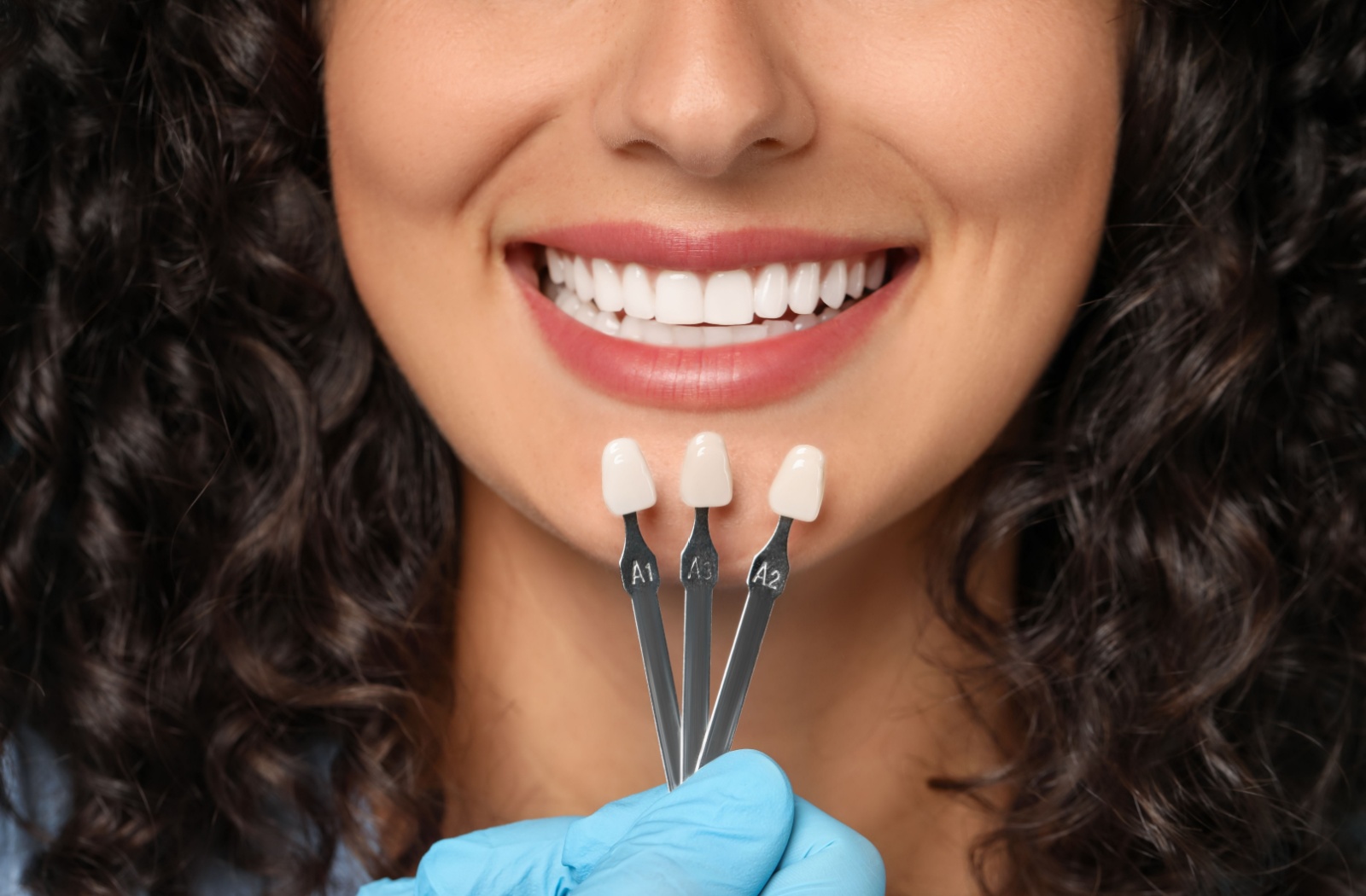
Dental patients may receive veneers to improve the appearance of their teeth, and they need proper maintenance to promote their longevity. The treatment involves placing a customized material over the natural tooth structure. The longevity of these restorations depends on daily habits and specific care techniques. Here is more information on these dental devices, how they work, what issues they address, and how to care for them to promote their durability:
What Are Veneers?
Veneers are thin shells composed of porcelain, and dentists bond them directly to the anterior surface of the teeth. These restorations are fabricated in a dental laboratory to match the specific dimensions of a patient’s mouth. The material mimics the light-reflective properties of natural enamel. It provides a durable surface for daily oral functions.
How Do They Work?
The application process typically requires removing a small amount of original enamel, which allows the restoration to fit flush with the surrounding gum line. A dentist uses a specialized dental cement to secure the shell in place. The cement hardens at a specific wavelength of light, and the resulting bond provides structural integrity for the tooth.
Once bonded, the restoration acts as a protective barrier for the underlying tooth structure, and it bears the forces generated during normal mastication. The seamless margin between the shell and the natural tooth prevents bacteria from entering the inner dentin. This tight seal preserves the health of the underlying tooth.
What Issues Do They Address?
Dentists use these restorations to address various cosmetic dental concerns, such as severe tooth discoloration. The shells can conceal chips or cracks that compromise a tooth’s physical structure. They also close minor gaps between teeth, and they can improve the appearance of slightly misaligned dental arches.
Patients with worn enamel may experience dental sensitivity, and this restorative option provides an effective physical shield against temperature fluctuations. The customized shells restore the natural length of teeth worn down by bruxism. This modification improves the overall symmetry of the smile by reestablishing proper occlusal harmony.
How Are Veneers Cared For?
Proper daily maintenance promotes the long-term durability of the restorations, and patients benefit from adopting a consistent oral hygiene routine. Brushing twice a day with a non-abrasive fluoride toothpaste helps protect the polished surface from scratches. Patients should use a soft-bristled toothbrush and floss daily to remove plaque from the interdental spaces.
Certain dietary habits can compromise the integrity of the material, necessitating professional guidance. Patients should avoid biting directly into hard foods like ice or raw carrots. The restorations resist stains effectively, but frequent consumption of coffee or red wine may cause discoloration over time.
How Is Professional Guidance Beneficial?
Regular dental examinations provide an opportunity for clinical assessment, and dentists use these visits to monitor the margins of the restorations. A hygienist performs professional cleanings using specialized instruments that do not scratch the porcelain surface. These routine appointments allow the dental team to detect early signs of complications, allowing them to intervene before a full replacement becomes necessary.
Consult a Dentist Today
Caring for these dental restorations requires diligent home hygiene and regular professional monitoring. Routine maintenance helps preserve the material’s structural integrity for many years. Schedule an evaluation with a dental professional to assess your current restorations, and they will provide specific guidance for your ongoing oral health needs.
