


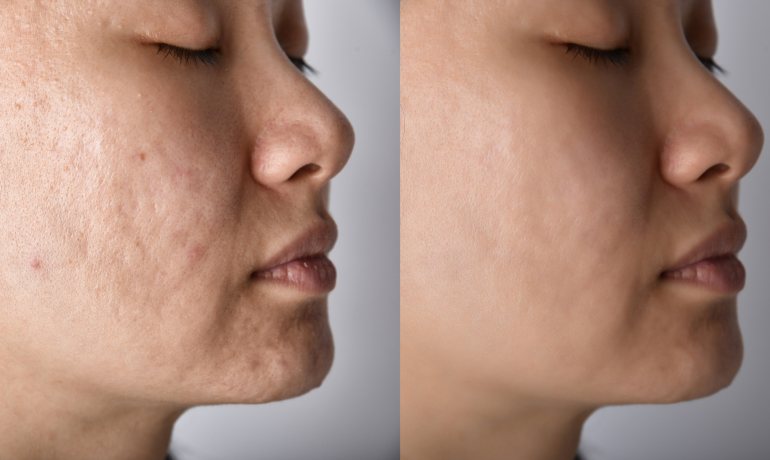
A consistent skincare routine and professional treatments are beneficial for achieving a clearer complexion; they can help manage acne and its effects. Professional options like microneedling are designed to help reduce the appearance of scars. Here’s some information about acne scarring, along with prevention tips to minimize future issues and improve your skin’s overall health:
Understanding Acne Scars
Acne scars can leave behind uneven textures and dark marks long after breakouts heal. These lasting marks happen because intense blemishes damage the tissue structure underneath; this changes how your body heals and rebuilds itself. You may notice shallow indentations, raised areas, or persistent red patches left behind. Many practical options are available to help smooth your complexion, including professional methods that support your skin’s natural renewal process.
Choosing Professional Care
Over-the-counter creams may only reach the surface layer of your skin; managing deeper texture changes requires targeted approaches that encourage deep tissue repair. Skincare professionals provide specialized methods to gently smooth uneven areas and promote a brighter, more consistent look over time. Before starting any procedure, consult a professional to promote safety and effectiveness. Dermatologists work closely with you to find an ideal approach for your specific acne needs.
During your first visit, you can expect a few key steps:
- An assessment of your current skin texture
- A discussion about your daily skincare routine
- A personalized recommendation for in-office procedures
Trying Microneedling Procedures
Microneedling uses your body’s natural healing response to improve your overall skin texture. During this procedure, a professional glides a specialized device covered in tiny needles across your face. The tiny pinpricks signal your skin to produce fresh collagen and elastin; these two proteins act as key building blocks for smooth, firm tissue.
As your face recovers over the next few weeks, you may notice a softer texture and a more even tone. This procedure is suitable for many skin types and tones, and you typically need a series of sessions to achieve optimal results. Protecting your skin from the sun after your appointment can also promote proper healing.
Exploring Platelet-Rich Plasma Therapy
Platelet-rich plasma (PRP) therapy utilizes your body’s own resources to enhance your complexion. A specialist draws a tiny amount of your blood and spins it in a centrifuge machine to separate the plasma; this concentrated plasma holds key elements that support skin renewal. The specialist then applies this rich plasma directly to your face. Because it comes from you, the plasma easily integrates with your tissue to refresh your appearance and smooth out stubborn marks left by old blemishes.
Applying Chemical Peels
Chemical peels offer a straightforward method to reveal the fresh skin hiding beneath your scars. A professional applies a carefully blended solution to your face, and this helps gently remove the damaged outer layers. When the old skin sheds, softer, newer skin emerges at the surface.
Peels range from light formulas to deeper treatments; your choice may depend on your needs and whether the scarring is deep or superficial. A light peel refreshes your face quickly with minimal downtime. A deeper peel targets more noticeable scarring, but it requires more recovery time at home. Your skincare professional can help you pick the right strength for your schedule and comfort level.
Consult a Dermatology Specialist
Microneedling, PRP therapy, and chemical peels all provide effective paths toward a smoother, brighter complexion. Improving acne scarring can take time, and since everyone has unique skin, professional guidance helps you find a safe and personalized starting point. Contact a skincare professional today to discuss your goals and build a practical plan for clearer skin.
