


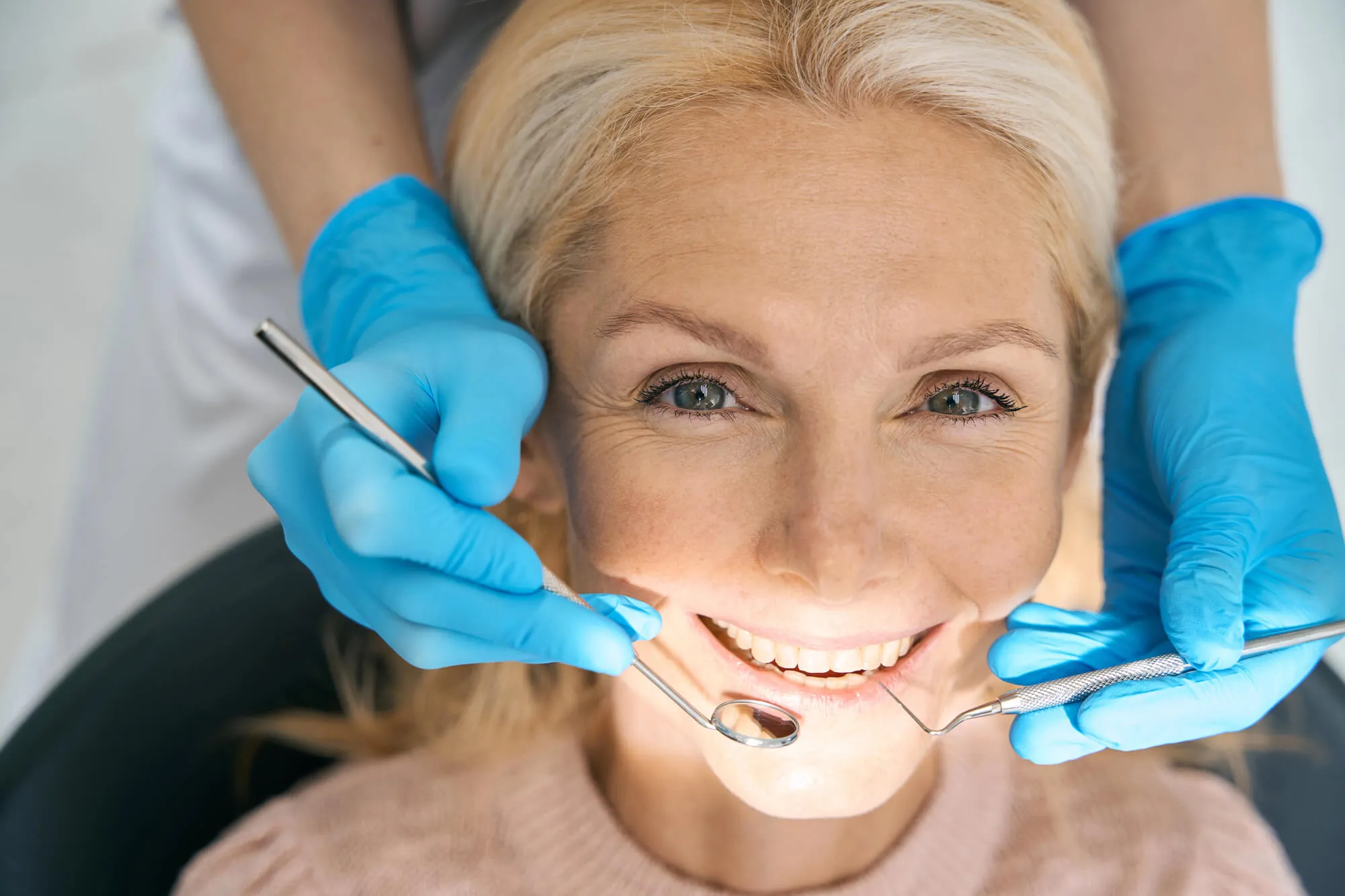
A dentist plays a fundamental role in preventive care, helping patients maintain optimal oral health through early detection, routine assessments, and proactive treatment strategies. Beyond addressing immediate concerns, a dentist focuses on preventing the onset and progression of common dental issues such as cavities and gum disease. Individuals can reduce the risk of more complex conditions and support long-term dental wellness by fostering consistent oral hygiene practices and scheduling regular visits.
Detecting Oral Health Issues Early
Detecting potential concerns early is a key part of preventive dentistry, so your dentist will examine your teeth, gums, and surrounding tissues. They look for minor signs of wear and often use digital X-rays to see beneath the surface. This technology reveals issues invisible to the naked eye, and catching a small cavity early makes treatment much easier. Your provider also looks for early signs of gum irritation by measuring the spaces between your teeth and gums to monitor for changes.
Your dentist evaluates bite alignment and jaw function, and they can spot uneven wear patterns that indicate teeth grinding. Identifying these patterns allows your provider to recommend a protective night guard that prevents unnecessary enamel loss. Minor gum inflammation often resolves with simple adjustments to brushing, or your provider might suggest a new type of floss.
Maintaining Cleanings and Plaque Control
While daily brushing and flossing are necessary, plaque still builds up in hard-to-reach areas, so a professional cleaning is necessary. A dentist or hygienist uses special tools to remove hardened tartar and polish your teeth to make them smooth. Regular plaque removal is necessary for healthy gums because tartar irritates the surrounding tissue if it remains on the teeth.
The polishing stage does more than make your teeth shine; it also removes minor surface stains from coffee, tea, and food. A smooth tooth surface helps prevent new plaque from sticking. By removing tartar and polishing your teeth, you will leave the clinic with a noticeably brighter, cleaner smile and the tools to maintain it.
Applying Preventive Treatments and Protection
Your dentist might also suggest specific protective treatments to strengthen your smile. Fluoride applications help maintain tooth enamel, and dental sealants can protect back teeth. Sealants are thin coatings that block food from settling into deep grooves, and they are simple to apply. You should contemplate these treatments if you often get cavities; a specialist can evaluate your situation to recommend an effective approach for you.
Custom mouthguards are another effective preventive tool, especially if you need extra protection. If you play contact sports, a guard protects your teeth from impacts, while a night guard helps if you clench your jaw during sleep. Your dentist can take impressions to create a guard that fits perfectly for comfort and protection.
Monitoring Long-Term Oral Health
A consistent relationship with your dentist allows for better long-term tracking. Your dentist keeps detailed records and compares your X-rays to spot slow changes. This allows them to customize your care, ensuring your treatment matches your specific needs and offers actionable advice to support your dental goals.
Open communication is key to tracking your progress. You should always share any new conditions or medication changes with your dentist. Some medications reduce saliva, which can increase your cavity risk. Keeping your file up to date, while sharing new developments, helps your clinic provide the most productive advice possible.
Book Your Dentist Appointment Today
Preventive dental care provides a foundation for a bright, lasting smile and solid oral health. By prioritizing these visits, you actively manage your oral hygiene and avoid unexpected complications. Do not wait for a problem to arise before seeking professional guidance. Book your dentist appointment today for a thorough assessment and comprehensive care. Every checkup gives you a fresh opportunity to improve your daily habits, and the guidance you receive from your dental doctor empowers you to make smarter choices at home.
