


When teeth are stained, uneven, or spaced apart, people may look for treatment options that refine their smile. Cosmetic dentistry offers a broad set of solutions for these goals, and clear aligners are a recognized choice for people who want straighter teeth without traditional braces. Understanding what these treatments involve can help you make well-informed decisions about your dental care.
What Is Cosmetic Dentistry?
Cosmetic dentistry refers to dental treatments that focus on the appearance of your teeth. Many of these procedures are elective, and a person chooses them to enhance aesthetics rather than to treat an urgent dental problem. Some treatments also carry practical value, such as restoring the ability to bite and chew or filling spaces left by missing teeth.
Several types of treatment fall under this category. Dental implants replace missing tooth roots with a stable foundation for a replacement tooth. Orthodontics uses custom appliances, including braces and aligners, to correct the position of teeth. Teeth whitening lifts stains and discoloration to produce a brighter shade. Crowns are caps placed over damaged teeth to rebuild their shape and strength, and bridges fill the gap created when a tooth is lost.
Other options address a wider range of needs. Dentures serve as removable replacements for several missing teeth or a full set. Veneers are thin covers bonded to the front surface of teeth, and they help conceal chips, stains, or minor irregularities in shape. These treatments give patients and their dentists flexible ways to reach specific aesthetic goals, while preserving or restoring functionality.
What Are Clear Aligners?
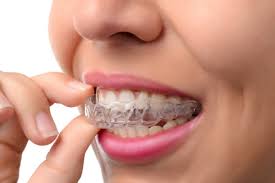
Clear aligners are a type of orthodontic treatment designed to correct bite issues and straighten teeth that sit out of position. Unlike fixed braces, aligners are removable trays that a patient takes out and puts back in throughout the day. They are produced from transparent plastic, and this allows them to blend with the natural look of the teeth.
The trays work by applying steady, gentle pressure to the teeth. This pressure guides the teeth into a more even arrangement. Treatment usually involves a series of trays, with each one moving the teeth a small amount. A patient switches to a new set on a schedule set by their dental provider. Compared with metal braces, aligners take a different approach. Braces rely on brackets fixed to each tooth and wires that connect them, and they remain in place until treatment ends.
What Are the Benefits?
Clear aligners offer several practical advantages that may appeal to patients. Aligners are made from smooth plastic, and they lack the brackets and wires found in traditional braces. This design reduces the chance of the appliance rubbing against the inner cheeks or lips. The transparent material keeps the trays subtle when a person speaks or smiles. Since aligners come out easily, patients can brush and floss as they normally would. Aligner treatment may be completed in a shorter span than traditional braces; the exact timeline depends on the complexity of each patient’s needs.
Consult a Dental Professional
Selecting the right approach for your smile depends on your specific dental condition and personal goals. A dental provider will examine your teeth, and they can explain which treatments align with your needs. During an evaluation, a professional may outline what to expect at each stage, describe how to care for any appliance, and set realistic expectations for the outcome.
