


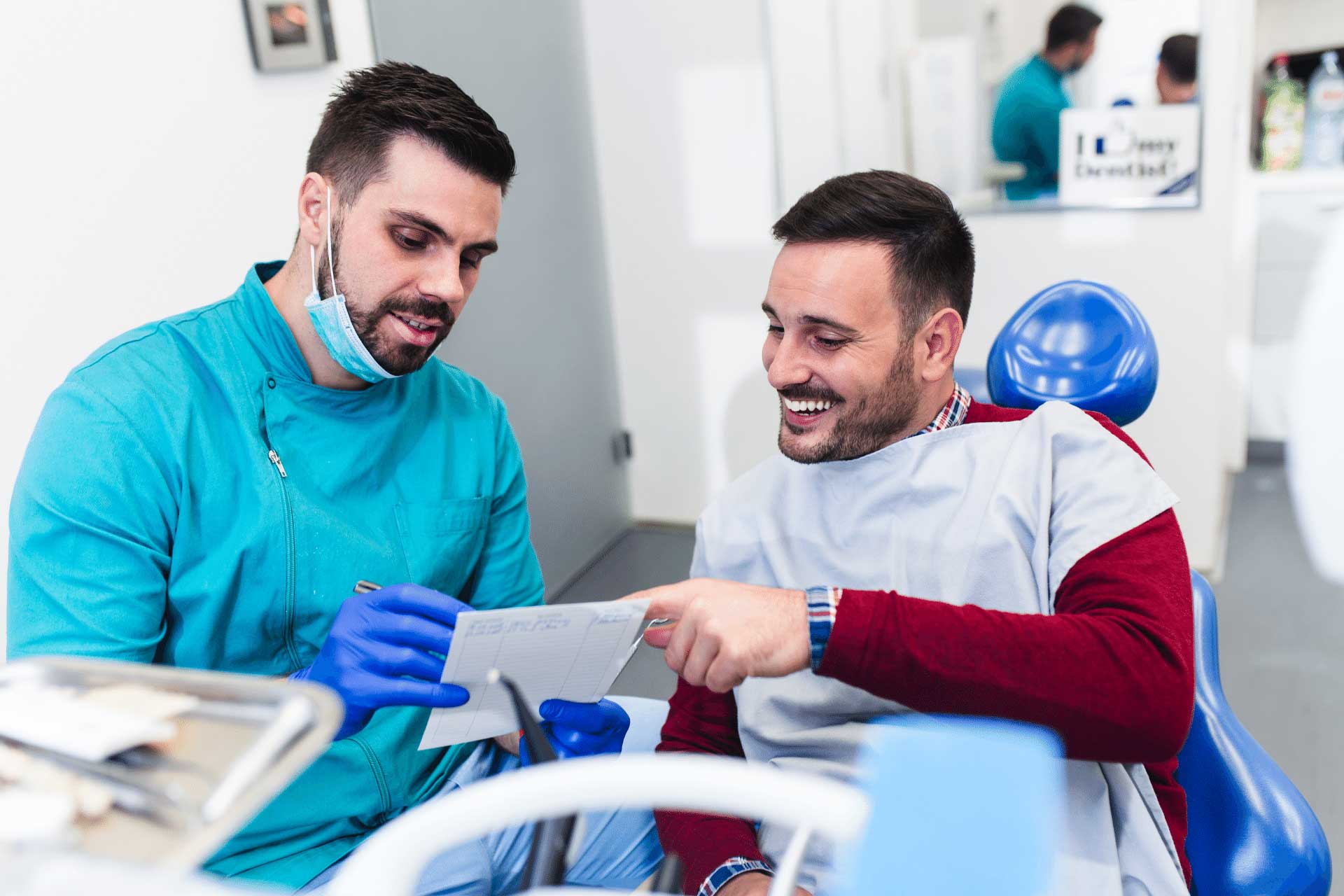
Routine dental visits maintain oral health, and they prevent complex medical issues from developing over time. Dentists provide a variety of specialized treatments to patients in clinical settings. Here is more information about the standard procedures available at a dental clinic and the conditions these professionals treat:
What Is a Dentist?
A dentist is a licensed medical professional who specializes in oral health. These practitioners apply their medical knowledge to prevent oral diseases, and they perform clinical procedures to restore dental function. Patients may consult these professionals for routine checkups and specialized oral treatments. The role of a dentist extends beyond simple tooth repair to include educating patients on proper oral care techniques, which helps them maintain their oral health at home.
What Services Do They Offer?
Dental clinics provide multiple categories of care, including preventative services. Preventative treatments include professional cleanings, fluoride applications, and routine diagnostic X-rays. These procedures aim to stop decay before it starts, and they help providers monitor changes in a patient’s mouth. Regular cleanings remove plaque buildup, protecting the tooth enamel from long-term damage.
Restorative and cosmetic services represent another category of dental care. Restorative procedures repair structural damage to teeth, and they include fillings, crowns, and root canals. Cosmetic treatments focus on the visual appearance of the smile, with providers performing teeth whitening or applying veneers. Both types of care require specialized clinical equipment, and the dentist will recommend specific options based on the patient’s clinical evaluation.
What Conditions Do They Treat?
Dentists diagnose a wide range of oral pathologies, and they treat common issues such as tooth decay and gingivitis. Tooth decay occurs when bacteria compromise the enamel, resulting in cavities that require immediate clinical intervention. Gingivitis is an early stage of gum disease that causes inflammation around the base of the teeth. Dental professionals may also treat acute oral infections.
Advanced periodontal disease represents a more severe condition requiring specialized clinical management. This advanced infection damages the soft tissue, and it can destroy the bone that supports the teeth. Dentists also diagnose oral manifestations of systemic diseases, and they may screen for early signs of oral cancer. Identifying these conditions early helps improve prognosis.
What Does an Appointment Involve?
A standard dental appointment follows a structured sequence of clinical actions. The visit typically begins with a review of the patient’s medical history, and a dental hygienist may perform an initial physical examination. The professional will use small mirrors and instruments to check the teeth, looking for visible signs of decay or inflammation. Diagnostic imaging may be captured at this stage.
Following the initial assessment, the practitioner formulates a specific diagnosis for the patient. The dentist will discuss these findings, and they will present a treatment plan for any identified conditions. Simple procedures may take place immediately, but complex interventions often require scheduling a follow-up visit. The appointment may conclude with basic oral hygiene instructions.
How Is Dental Care Beneficial?
Consistent dental care prevents minor oral issues from escalating into severe medical complications. Routine interventions halt the progression of decay, which preserves the natural structure of the teeth. Good oral health may correlate with overall systemic health, and early detection of oral diseases helps reduce the need for invasive treatments later.
Learn More About Dental Services
Understanding dental services helps patients make informed healthcare decisions. Learning more about these services helps patients understand what to expect during a typical visit. Patients should consult a licensed provider to address specific symptoms, as a personalized evaluation will determine the most appropriate course of action. Schedule an appointment with your local clinic today.
