


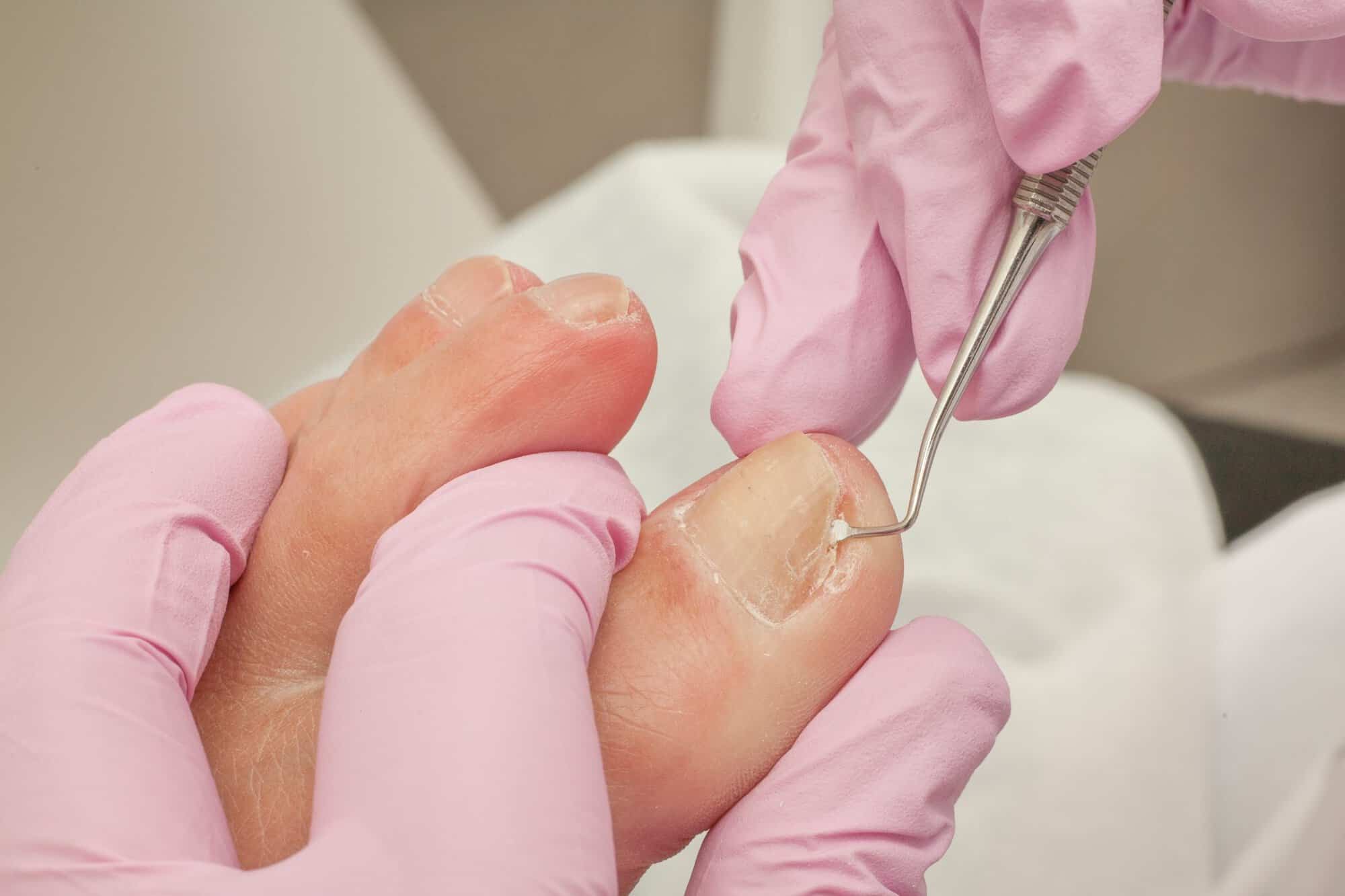
Foot health can dictate general mobility and influence physical comfort. Many individuals experience various pedal ailments throughout their lives, with nail conditions being a common reason for routine podiatric visits. Understanding the surgical options for ingrown toenails provides clarity for those seeking long-term relief from recurrent discomfort.
What Is an Ingrown Toenail?
An ingrown toenail occurs when the edge or corner of a toenail penetrates the adjacent skin. The resulting pressure disrupts the surrounding tissue, leading to a localized physical reaction. Several distinct variables increase the probability of a nail growing abnormally into the flesh. Wearing tight or narrow footwear can compress the toes and force the nail to curve downward. Improper grooming habits, such as trimming the nails at a sharp angle or cutting them excessively short, also contribute to the problem.
Other risk factors include direct physical trauma to the toe and underlying systemic issues, like compromised blood flow. Individuals managing diabetes face elevated risks when dealing with any foot irregularity. For these patients, minor skin abrasions can quickly escalate into severe infections and make prompt medical evaluation a necessity.
What Are the Symptoms?
The physical manifestations of an ingrown toenail range from mild irritation to severe infection. Early recognition of these signs helps individuals seek timely medical intervention. Patients may report localized pain along the margin of the affected nail, which is intensified when wearing enclosed shoes or walking. The skin adjacent to the nail border can exhibit noticeable red swelling and cause an abnormal sensation of warmth.
If the skin barrier breaks, bacteria may enter the tissue and initiate an infection. Infected tissues can excrete pus or other fluids, which is accompanied by heightened sensitivity. Medical providers rely on these specific visual and sensory cues during their clinical examinations to determine the severity of the condition.
How Is One Treated?
Medical providers evaluate the affected digit to outline an appropriate course of action. The diagnostic phase generally involves a visual inspection and, occasionally, on-site imaging to assess the nail’s depth. Mild cases might respond to conservative, non-invasive therapies. Podiatrists often suggest soaking the foot in warm water to soften the tissue. Changing to wider footwear eliminates lateral pressure on the toe and gives the area a chance to heal.
Some specialists might apply a splint under the nail and guide its growth path away from the skin. Medications can be prescribed to combat any localized bacterial presence. When conservative methods fail or if the condition repeatedly returns, surgical intervention becomes the standard recommendation.
The surgical approach typically involves removing the offending section of the nail. In specific scenarios, a surgeon will extract the entire toenail to prevent future complications. The practitioner administers a local anesthetic prior to the procedure, then excises the embedded nail border and influences the nail’s growth. This targeted removal stops the specific section of the nail from regrowing into the soft tissue.
Consult a Foot Specialist
Addressing foot ailments promptly prevents minor irritations from developing into complex medical issues. A persistent ingrown toenail requires professional medical evaluation to assess the extent of the tissue damage and the presence of any infection. Specialized podiatric clinics possess the precise tools and knowledge required to diagnose and treat these conditions effectively. Patients displaying signs of infection or those with underlying health complications, like diabetes, should immediately schedule an appointment with a podiatrist.
