


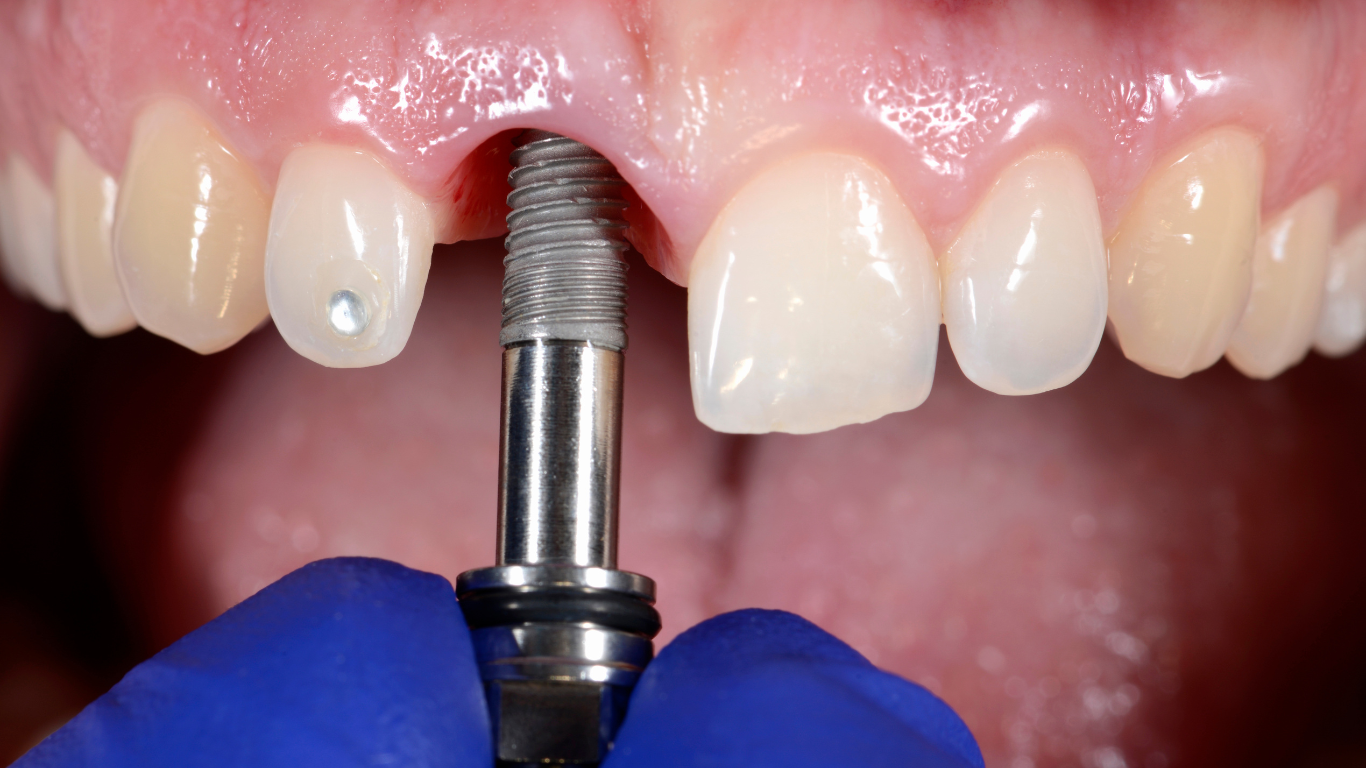
Missing teeth impact your daily life. You can replace teeth effectively, and modern dentistry offers reliable solutions. If active gum disease exists, this step prepares your mouth. A dental implant specialist can restore your natural bite function.
Replace One Missing Tooth
A single missing tooth requires specific, targeted intervention. Before treatment, your dentist checks bone levels, gum health, and bite alignment. If gum disease is present near the gap, care may start with periodontal treatment. You avoid unwanted bite shifting. Since implants stand alone, you preserve natural tooth structure, and daily flossing remains simple. Trapped debris can irritate gum tissue, and it increases the risk of decay on nearby teeth. If the tooth was lost after infection, your dentist may confirm healing before implant placement. Some patients need bone grafting first, which will be discussed by your dental implant specialist.
Replace Multiple Missing Teeth
Several missing teeth affect chewing, speech, and bite balance. Dental implants can support different restorations, and the right choice depends on the pattern of tooth loss. While fixed or removable implant options use planned anchor points, your dentist will explain which design fits your mouth. Options include:
- Implant bridges: If teeth are missing in one area, an implant bridge may replace teeth without one post per tooth.
- Implant-supported dentures: When tooth loss affects most of an arch, this option may improve stability compared with traditional dentures.
- Denture-related concerns: Patients seeking no more painful dentures can discuss sore spots, looseness, and chewing limits during planning.
Because posts need healthy support, gum disease must be treated before placement, and deep cleaning SRP may be recommended. Bone loss also affects the plan. If bone volume is limited, your dentist will discuss grafting, angled implants, or a staged approach. Your bite also matters, so let your specialist know if it hurts you. Sleep dentistry may be discussed if longer treatment visits are difficult for you. A clear treatment plan should include the number of implants, healing time, hygiene steps, and repair options. With several missing teeth, the goal is stable function and maintainable daily care.
Maintain Your Dental Implants
Clean between your teeth daily, and use the tools your dental team recommends. Proper care helps protect implant restorations and surrounding gum tissue. Brush twice daily with a soft brush, since this can help your oral health. Water flossers flush hidden debris, and interdental brushes can clean tight spaces. Routine maintenance visits matter. Your dentist checks gum depth, bite pressure, crown fit, and bone levels during these appointments.
If bleeding, swelling, looseness, or discomfort appears, schedule an exam before the issue progresses. Early care may help save existing dental implant structures. Your dental team explains the difference, and they show safe home care steps. Bite changes also need attention. A loose crown, worn nightguard, or uneven bite places stress on an implant. When these concerns are found early, repairs may be simpler, and the implant area stays easier to maintain. Bring your nightguard to visits.
See a Dental Implant Specialist
You must evaluate your current oral health status. Dental professionals will assess your bone density, and they will review your specific needs carefully. Once you understand the available clinical options, you can choose suitable dental implants. Take decisive action for your health today. Contact your office for an evaluation, and they will plan your customized treatment approach.
