


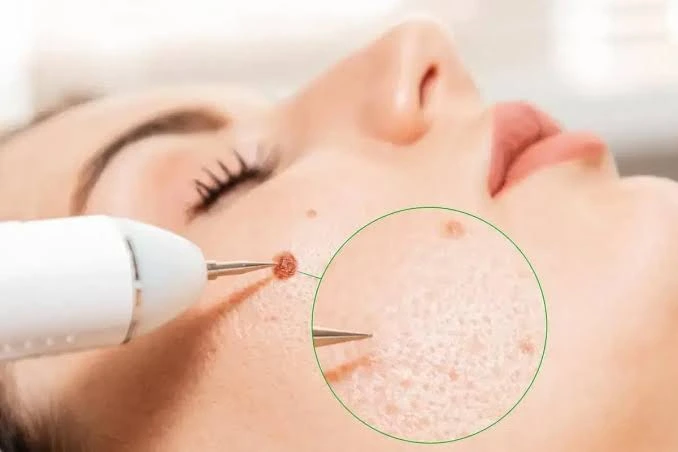
Skin cancer is the most commonly diagnosed cancer in the United States. When skin cancer is caught early, it is highly treatable. Surgery remains one of the most effective treatment options, and understanding the available techniques can help patients prepare for their care. Here is more information on skin cancer surgery, the different techniques available, what recovery is like, and the benefits of professional guidance:
What Is Skin Cancer Surgery?
Skin cancer surgery involves the removal of cancerous tissue from the skin, and the primary goal is to eliminate cancer cells while preserving as much healthy surrounding tissue as possible. Surgeons assess factors such as cancer type, tumor size, and location. Each case presents unique characteristics, so surgeons carefully evaluate these factors before recommending a specific surgical approach.
The three most common types of skin cancer are basal cell carcinoma, squamous cell carcinoma, and melanoma. Each type may respond differently to surgical treatment, which is why a thorough diagnostic process precedes any procedure. Identifying the cancer’s characteristics guides the surgical plan; this makes sure that the chosen technique is both appropriate and effective.
What Are the Different Techniques?
Several surgical techniques are used to treat skin cancer. The appropriate method depends on the cancer’s type, stage, and location; a thorough diagnostic evaluation typically precedes any procedural decision. Procedures may include excisional surgery and Mohs micrographic surgery. During Mohs micrographic surgery, the surgeon removes thin layers of tissue one at a time and examines each layer under a microscope before proceeding, which allows for accurate, real-time assessment. This continues until no cancer cells are detected. Mohs surgery is particularly well-suited for cancers located on the face, neck, or other areas where tissue conservation is a clinical priority.
What Is Recovery Like?
Recovery varies depending on the surgical technique used, the size of the removed area, and the patient’s overall health. Patients may experience swelling, bruising, or discomfort at the surgical site, and these symptoms are generally manageable with proper wound care. While recovery timelines differ, patients may resume normal activities within a few weeks.
Wound healing typically progresses over a couple of weeks, and patients are usually advised to keep the area clean and avoid sun exposure. Attending all follow-up appointments is beneficial. Although scarring is common, it may diminish over time when patients follow appropriate post-operative care instructions provided by their surgeon.
How Is Professional Guidance Beneficial?
Dermatologists bring clinical expertise that shapes surgical outcomes. Each case is evaluated individually, and the selected technique aims to achieve clear margins while minimizing cosmetic impact. Because different cancer types respond differently to various approaches, professional training covers the nuances required to determine which technique is appropriate in a given context.
Post-surgical care and long-term monitoring are also areas where professional guidance proves beneficial. Skin cancer can recur, so regular follow-up appointments allow specialists to detect changes early. Patients who maintain ongoing care with a qualified provider are better positioned to manage their health proactively, and this continuity of care is a key factor in reducing the risk of recurrence. Additional benefits include:
- Access to accurate diagnosis and staging
- Personalized surgical planning based on cancer type and location
- Ongoing monitoring to reduce the risk of recurrence
Learn More About Surgery Today
Skin cancer surgery encompasses a range of techniques; the available procedures may include excisional surgery and Mohs micrographic surgery. Recovery timelines and outcomes differ depending on the method used and the individual patient. Professional guidance remains central to navigating both the surgical and post-surgical process. If you have skin cancer, consult a dermatologist to learn which technique is right for you.
