


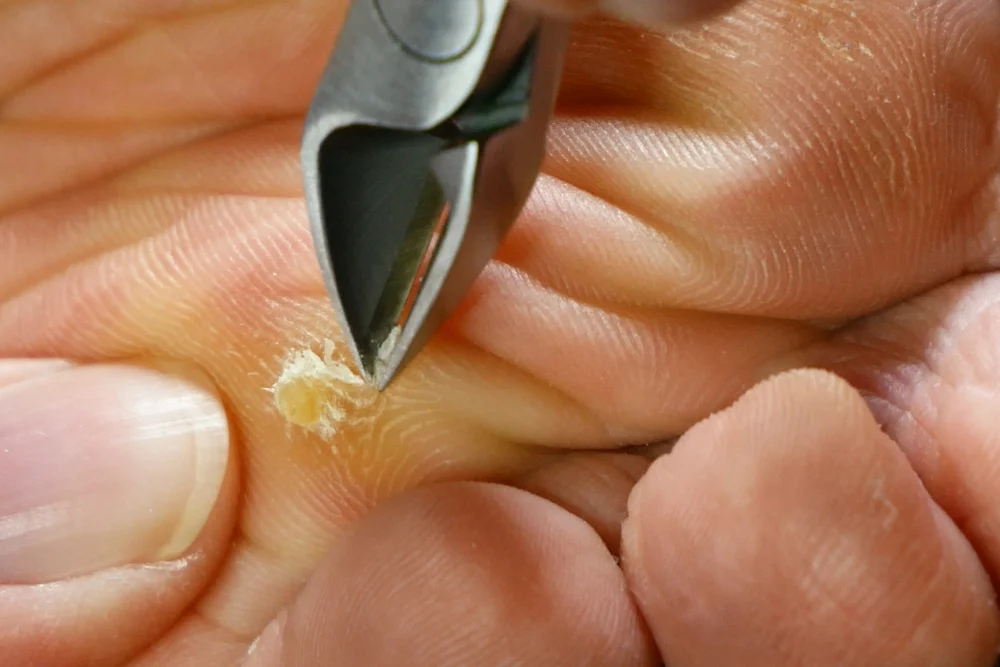
A foot specialist treats corns, which are thick, hardened layers of skin that develop when the skin protects itself against friction or pressure. Corns form on the feet and toes, and they have a hard center surrounded by swollen skin. Although a corn can cause pain when pressed, they may examine the area to confirm the problem and trace its source before recommending treatment.
Understanding What Corns Are
A foot specialist begins with a thorough examination of the affected skin. The location guides the assessment, and the specialist notes where the corn has developed. Although corns usually form on the tops and sides of the toes, the examination helps distinguish them from other foot conditions.
The specialist determines whether the corn sits on the top of a toe or between the toes, and this detail helps identify the type of corn. Although the examination identifies the affected area, it also directs the conservative treatment plan that follows.
Recognizing Common Symptoms
A specialist reviews each symptom during the evaluation. Tenderness or pain under the skin points toward a corn, and a thick, rough patch with a hard center supports that finding. Because corns are smaller and deeper than calluses while calluses usually develop on pressure-bearing areas and rarely cause pain, the specialist uses these differences to distinguish between the two conditions. Common signs of a corn include:
- A thick, rough area of skin
- A hardened, raised bump
- Tenderness or pain under the skin
- Flaky, dry or waxy skin
Repeated friction and pressure cause corns. Ill-fitting footwear frequently contributes to the problem. Tight shoes and high heels increase pressure on the feet; loose shoes allow the foot to slide and rub; socks that do not fit properly add more friction.
Identifying Underlying Causes
Wearing shoes or sandals without socks creates friction. Structural conditions such as bunions and hammertoes also increase pressure on the feet; the specialist evaluates those conditions during the examination. Although some people inherit foot structures that make corns more likely to develop, that information also helps guide treatment.
Reducing Friction and Pressure
Treatment focuses on reducing the friction or pressure that caused the corn to develop. A foot specialist recommends conservative measures. Because roomy footwear reduces repeated rubbing, the specialist often recommends shoes that give the toes enough space.
Padding and orthotics provide additional protection when appropriate. Remove excess thickened skin as needed; these treatments help relieve pressure. Although treatment addresses the underlying cause rather than the symptom alone, reducing friction helps limit repeated irritation.
People who have diabetes or poor blood flow face a greater risk of complications from corns. A specialist provides care before self-treatment begins because even a minor injury can lead to an open sore. Although professional evaluation helps reduce that risk, the specialist also advises against cutting or sanding a corn at home.
See a Foot Specialist for Corns
A foot specialist identifies the cause of a corn before recommending treatment. Treatment begins with conservative care; it may include footwear changes, padding, orthotics or professional removal of excess thickened skin when appropriate. Although surgery is reserved for structural problems that continue to create friction, addressing the underlying cause helps reduce repeated pressure on the affected area. Schedule an evaluation with a foot specialist if a corn becomes painful or inflamed.
