


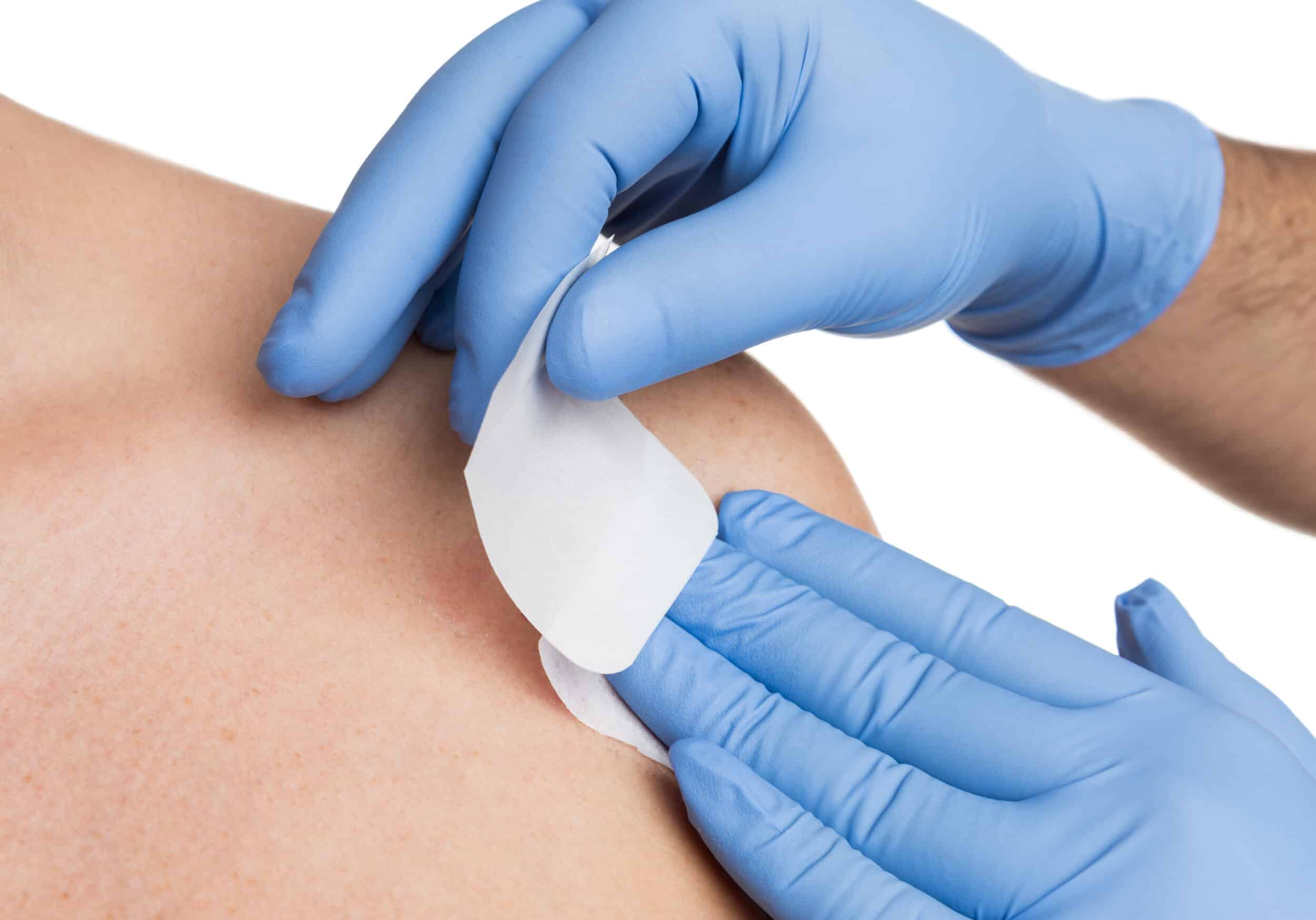
Skin cancer diagnoses require precise and effective treatment options to completely remove malignant cells while preserving healthy tissue. Among these treatments, Mohs surgery stands out as a highly successful method for addressing various forms of skin malignancies. Knowing what to anticipate can help individuals plan their post-operative routines effectively.
What Is Mohs Surgery?
Mohs surgery serves as a highly targeted treatment method for skin cancer. This specialized approach allows surgeons to remove malignant tumors layer by layer and preserve the maximum amount of surrounding healthy skin. Physicians primarily utilize this technique to treat basal cell carcinomas and squamous cell carcinomas. These types represent the most common forms of skin cancer. Medical professionals can also use this method to address melanomas. The technique is particularly beneficial for cancers located in highly visible areas or regions where preserving tissue function matters greatly, such as the face, neck, and hands.
What Does the Procedure Involve?
The surgeon administers local anesthesia to numb the affected area, to help keep the patient awake and comfortable throughout the process. Once the area is numb, the physician carefully removes the visible tumor along with a thin margin of surrounding tissue. After removing this initial layer, the surgeon meticulously maps the tissue and divides it into sections. The medical team processes these sections into slides for immediate microscopic examination. The physician then reviews the slides to identify any remaining cancer cells along the edges of the removed tissue.
If cancer cells remain, the surgeon removes another layer of skin from that specific area. This cycle of excision and microscopic review continues until all margins are completely clear of malignant cells. Once the cancer is fully eradicated, the physician may perform reconstructive techniques and restore the natural appearance and function of the treated area.
What Should You Expect After?
The recovery period typically spans one or two weeks, depending on the extent of the tissue removal and any subsequent reconstruction. Patients generally experience some degree of swelling, bruising, and mild discomfort near the surgical site. Physicians can provide specific post-operative instructions to guide the healing process and minimize potential complications.
Rest is a primary focus during the initial days following the operation. Patients should avoid strenuous physical activity and exercise for a minimum of forty-eight hours, aiming to support proper healing. Consuming a balanced diet and staying well-hydrated may also aid the body in its recovery efforts.
Scarring naturally occurs with any surgical procedure. Because the exact location of the skin cancer dictates the surgical site, physicians cannot always hide the resulting scar. Medical teams may utilize advanced reconstructive techniques to make these scars as inconspicuous as possible. Regular follow-up appointments allow the surgeon to monitor the healing progress and check for signs of recurrence.
Speak Further With Your Surgeon
A successful outcome relies heavily on adherence to your personalized post-operative care plan. Routine skin examinations remain a necessity even after a complete recovery, as individuals with a history of skin cancer carry a higher risk of developing new lesions in the future. Protecting your skin from ultraviolet exposure, through daily sunscreen application and protective clothing, provides an effective defense against future damage. Open communication with your medical provider allows you to address any concerns that arise during your recovery window.
