


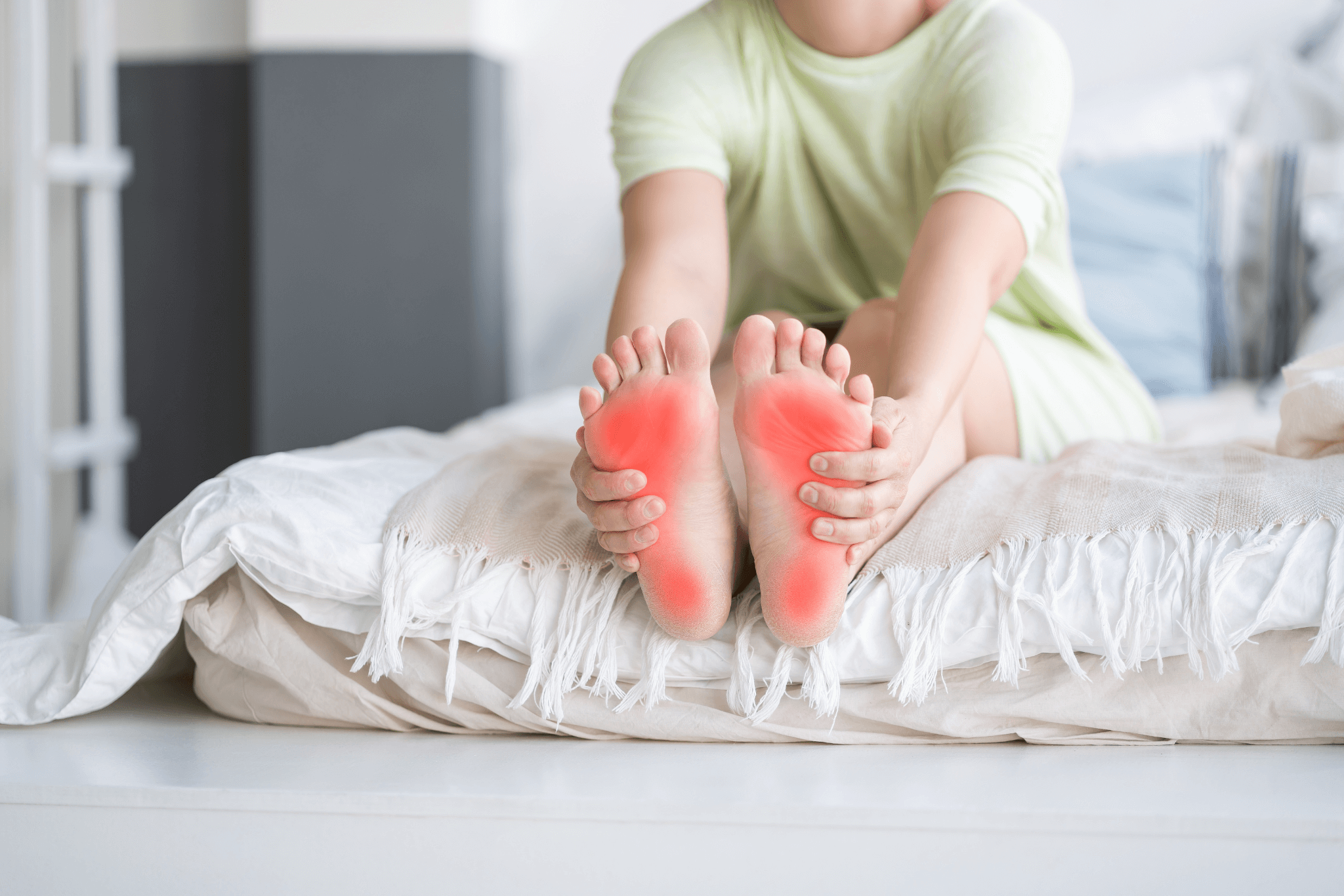
Plantar fasciitis is a significant cause of heel pain, and it affects the thick band of tissue along the bottom of the foot. You may notice sharp pain with your first steps, and the discomfort shifts during the day. While home care does not replace medical treatment, it helps many people manage daily symptoms. Here are some tips for managing symptoms of this condition effectively at home:
Apply an Ice Pack
Use an ice pack on the heel after activity, and keep a thin cloth between the skin and the cold source. Ice can be used to reduce surface irritation from plantar fasciitis. When pain flares after walking or standing, apply cold for 15 to 20 minutes.
You may also roll your foot over a frozen water bottle, and this adds a light massage to the cooling effect. This method works well on a hard chair or bench. Since direct ice may irritate skin, check the area every few minutes.
For a simple routine, try these steps:
- Ice the heel after activity
- Repeat up to a few times daily
- Stop if skin feels numb or painful
This approach fits into a home plan, and it takes little setup. Short, regular sessions typically work better than one long session. If swelling or pain gets worse, contact a clinician.
Take Pain Relievers
Over-the-counter pain relievers may ease soreness. Since some medicines interact with health conditions or prescriptions, ask a pharmacist or clinician if needed. Do not exceed the stated dose, and do not use pain relievers as a long-term plan without medical advice. If pain wakes you at night or limits walking, seek further evaluation.
Perform Calf Stretches
Tight calf muscles increase strain on the plantar fascia, and that strain may worsen heel pain. Stretching targets that tension, but when you do the movements slowly, the foot and ankle move with less pull. Stand facing a wall, place one foot back, and keep the rear heel on the floor. Bend the front knee, and as you lean forward, you should feel a stretch in the back calf.
Hold the stretch for 20 to 30 seconds, and repeat it several times on each side. As fast movement may irritate the tissue, use steady pressure and controlled breathing. Sit with one leg straight. When you pull the towel toward you, keep the knee flat and the ankle neutral.
A short stretch routine may include:
- Wall calf stretch
- Towel stretch
- Gentle ankle flexes
These movements take only a few minutes, and they fit easily into morning or evening habits. Daily practice builds consistency. If a stretch causes sharp pain, stop and ask a medical professional for guidance.
Wear Supportive Footwear
Shoes with firm arch support help reduce stress on the foot, and they give the heel a more stable base. Soft, flat shoes typically fail to support the arch. If you walk barefoot on hard floors, pain may increase.
Choose shoes with a cushioned heel, a supportive midsole, and a secure fit. Since old shoes lose structure over time, replace pairs that feel uneven or collapsed. Use supportive footwear indoors too, and keep a pair near your bed or desk.
Get Treated for Plantar Fasciitis
Home care helps manage symptoms, and it works best when you track what affects your pain. If symptoms last more than a few weeks, schedule a medical visit. A clinician may check your foot mechanics, and they may suggest physical therapy, orthotics, or other treatment. If heel pain is interrupting your routine, contact a podiatrist or healthcare provider today.
