


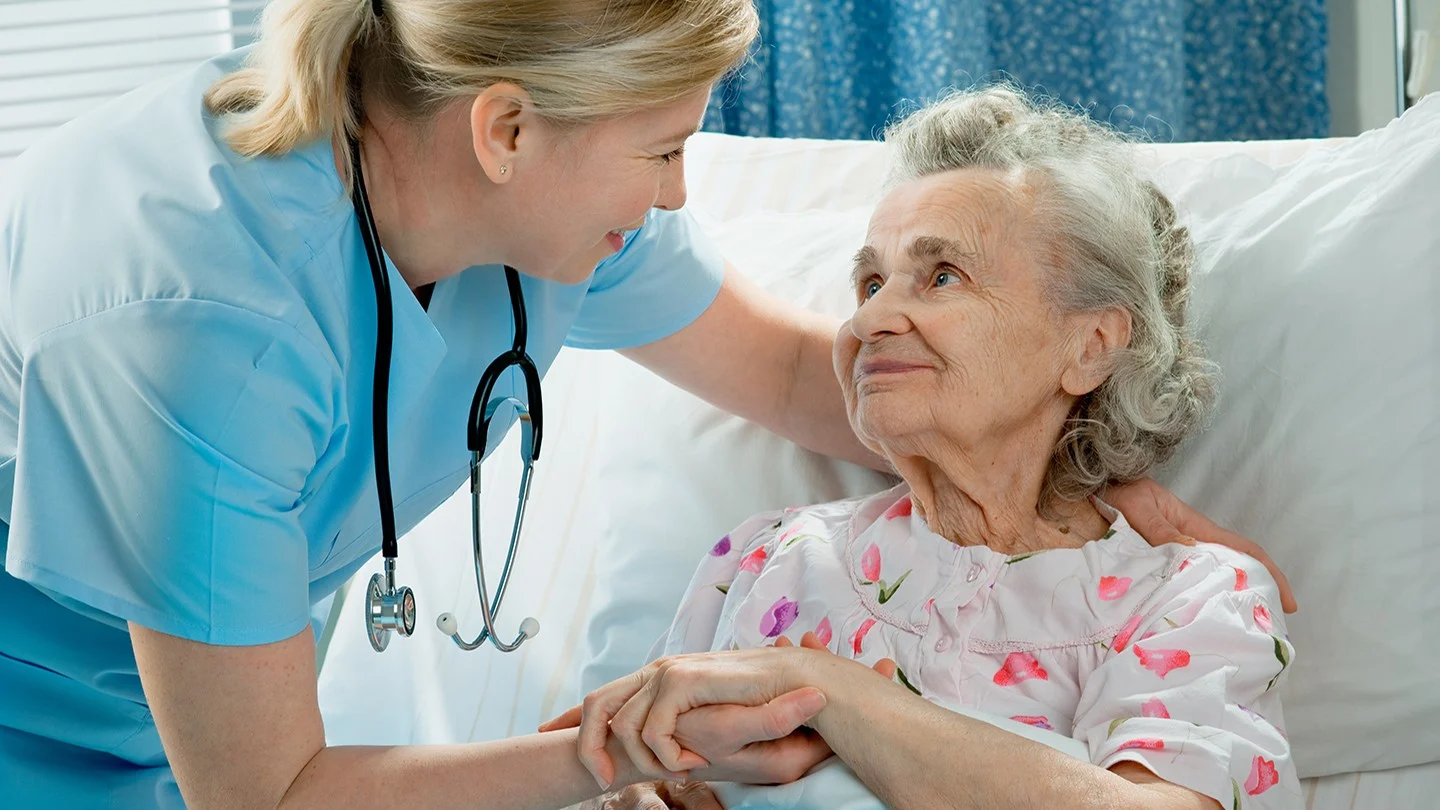
Primary care serves as the main point of contact for patients within the healthcare system, and it provides comprehensive medical support. This level of care addresses ongoing health concerns while also managing preventive medical strategies. Integrating community resources into this model supports broader health objectives. Here is more information on community resources in primary care:
What Is Primary Care?
Primary care encompasses standard medical services provided by general practitioners, serving as the baseline for personal health management. Clinics offer initial consultations for undiagnosed symptoms, and they deliver routine check-ups for ongoing wellness monitoring. Patients rely on this system for continuous medical supervision.
This healthcare model prioritizes long-term patient partnerships, and it focuses on holistic medical histories. Doctors track changes in physical health over decades, enabling them to identify potential risks early. Consistent communication builds a reliable medical record. This historical data guides accurate clinical decisions.
What Are the Available Services?
General practitioners conduct physical examinations, which help prevent common diseases. Diagnostic testing is a standard service, so doctors may order blood work and imaging studies. Providers prescribe medications to treat acute infections, and they develop long-term medication plans for chronic conditions. These services stabilize patient health across different medical needs.
Preventive medicine, including counseling on behavioral modifications, remains a core component of this level of care. Physicians may provide guidance on smoking cessation and weight management. Mental health screenings occur during annual visits, so providers can detect early signs of depression or anxiety. These proactive measures help prevent severe medical complications down the line.
What Are Community Resources?
Community resources are local programs designed to assist residents, and they address various social determinants of health. These organizations may include assistance programs and specialized support groups. Educational workshops teach disease management skills, enabling individuals to manage conditions like diabetes at home. These varied options target specific lifestyle factors affecting health.
How Can You Use Them?
Patients can discuss their lifestyle challenges with their physician, who can provide additional support. Clinic staff may maintain directories of regional support services to quickly match patients with appropriate local agencies. Individuals can also contact community centers directly or browse municipal databases for available health programs, and this structured approach simplifies access to complex community systems.
What Are the Benefits?
Connecting with local resources supports physiological recovery and mental stability. Patients receive actionable support for their nutritional needs, enabling them to better adhere to medical dietary recommendations. This integration of medical and social support optimizes overall health outcomes, and consistent use of external programs promotes sustained patient wellness. Comprehensive support structures potentially yield a higher quality of life.
Learn More From a Doctor
Primary care facilities provide medical interventions, and they may help patients access community support networks. Discussing your specific lifestyle needs with a healthcare provider clarifies your options, and it streamlines the support process. Schedule an appointment with your general practitioner to explore these available resources. Your doctor will assess your current wellness goals, and they will recommend appropriate supportive resources for your specific situation.
