


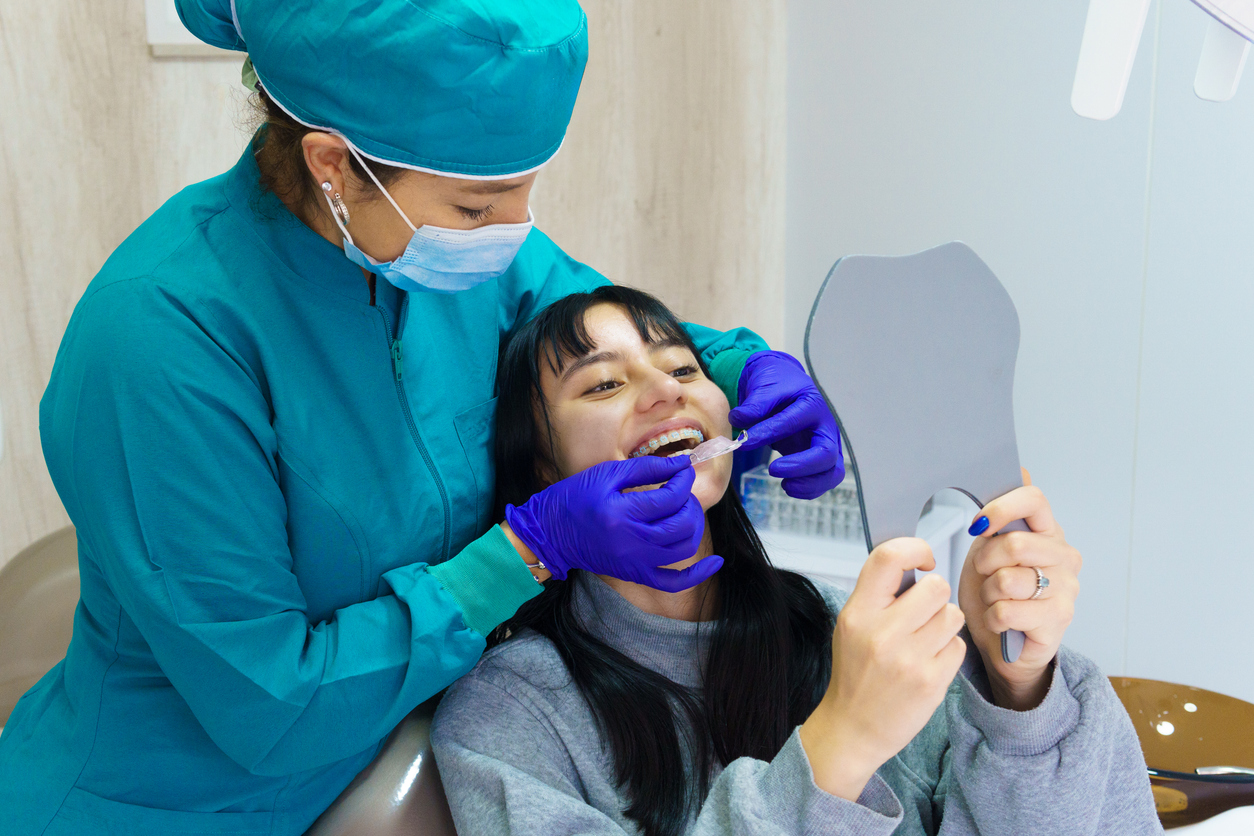
The visual appearance of a smile relies heavily on the specific techniques and extensive knowledge of the treating dental professional. Modifying dental structures requires a high level of precision. Patients seeking aesthetic improvements must carefully evaluate the qualifications of their provider, as the final outcome is directly linked to the practitioner’s skill. A well-executed cosmetic dentistry procedure blends seamlessly with natural teeth, while poor execution can lead to noticeable discrepancies.
What Is Cosmetic Dentistry?
Cosmetic dentistry focuses on modifying the aesthetic elements of a person’s smile and addresses the size, shape, color, and overall alignment of the teeth. A highly skilled practitioner can evaluate these factors in relation to the patient’s overall facial structure. By analyzing how the teeth harmonize with the rest of the face, the provider develops a targeted, individualized treatment plan.
A qualified practitioner designs a specific sequence of procedures to modify the dental structure appropriately. The dentist evaluates the patient’s current dental condition and discusses specific visual goals. Following this assessment, the practitioner outlines the steps needed to reach the desired outcome. This might involve a single superficial treatment or a comprehensive combination of several methods to completely rebuild the visual presentation of the teeth. The meticulous planning phase demonstrates exactly why the professional’s specialized knowledge is a relevant factor in achieving successful results.
What Services Fall Under It?
Aesthetic dental clinics offer a variety of specific procedures that are designed to address different visual defects. The success of each treatment depends on the precise application of dental technology, including the materials used. Some prominent cosmetic dentistry services include:
- Veneers: Veneers are thin, porcelain shells permanently bonded to the front surface of the visible teeth. They can effectively change the shape of the underlying tooth, mask deep stains, repair minor chips, and hide superficial cracks.
- Teeth Whitening: Discoloration occurs naturally over time due to diet and aging. Professional teeth whitening utilizes clinical-grade bleaching agents to safely restore a bright, uniform color to the teeth.
- Crowns: A dental crown is a custom-fitted prosthetic cap placed over a damaged, discolored, or heavily misshapen tooth. The crown covers the entire visible portion of the tooth above the gum line.
- Bridges: For individuals missing one or more adjacent teeth, a dental bridge fills the empty space. This fixed restoration anchors a false tooth to the neighboring natural teeth.
When patients receive dental implants to replace missing roots, the dentist must finish the process by attaching a visual restoration. The practitioner can place a custom crown, a bridge, or a supported denture onto the implanted post.
What Are the Benefits?
Addressing visual defects like cracks, gaps, or severe discoloration can lead to increased self-confidence. A person’s smile functions as a primary tool for communication and self-expression. Correcting aesthetic dental issues may help individuals feel more comfortable during social and professional interactions.
When a knowledgeable professional performs these enhancements, the results can appear natural. Precise execution helps patients avoid the artificial look that sometimes accompanies poorly planned procedures. By receiving high-quality aesthetic care, patients gain a structurally sound and visually pleasing smile that can positively impact their self-esteem.
Choose the Right Dentist
Selecting a highly qualified practitioner directly influences the longevity and appearance of the final aesthetic dental work. Scheduling an initial consultation allows individuals to ask direct questions about the proposed techniques, including about the materials used and the expected timelines. By taking the time to thoroughly vet a practitioner’s expertise, patients secure a higher standard of care and achieve a refined treatment plan for their smile.
