


Maintaining optimal vision requires routine evaluations and timely medical interventions when structural problems arise. While several types of professionals specialize in human vision, an ophthalmologist offers a comprehensive level of medical and surgical care. Understanding their scope of care helps you make informed decisions about your own physical health. Establishing a long-term relationship with a qualified specialist allows for consistent monitoring and facilitates early detection of potential vision threats.
What Is an Ophthalmologist?
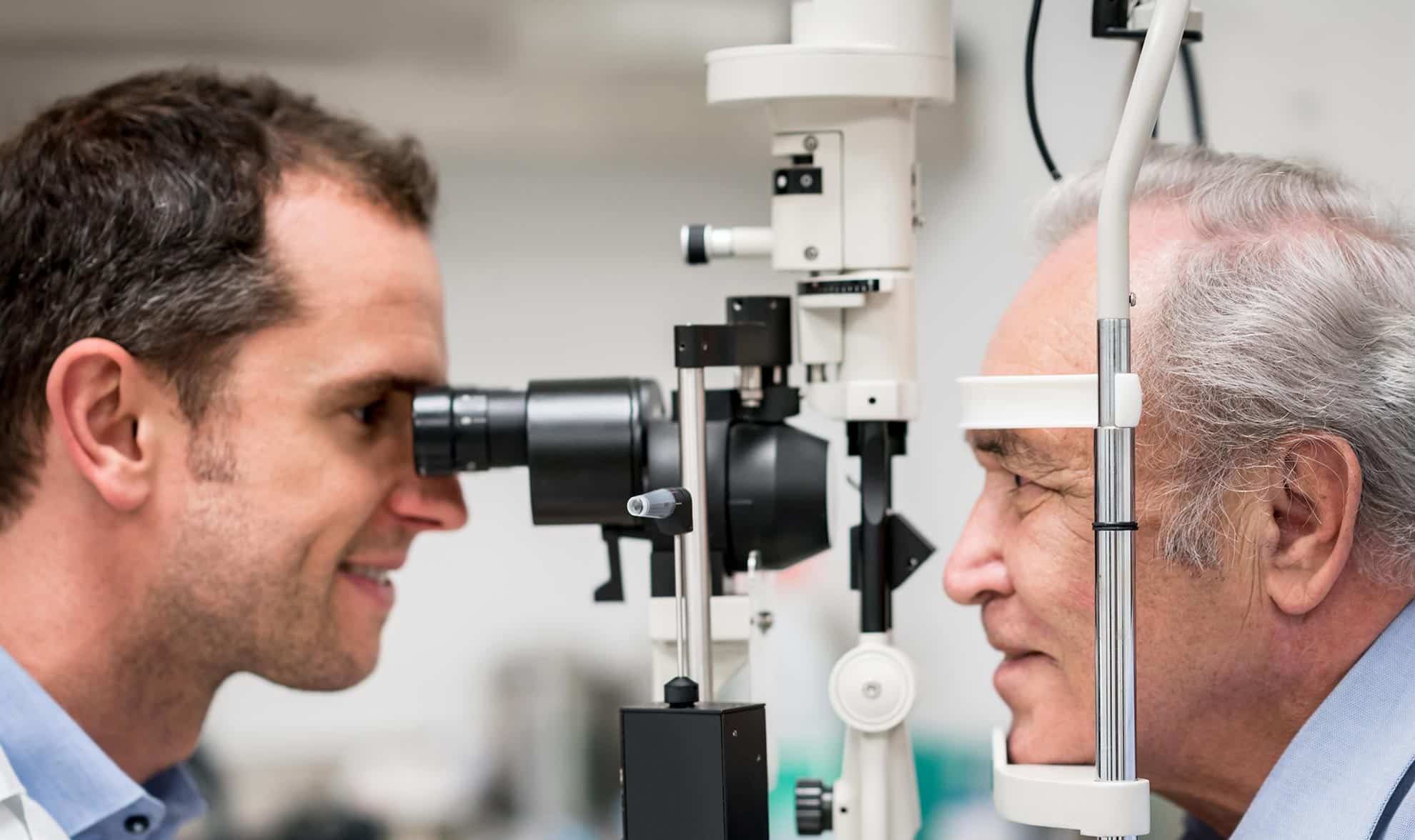
An ophthalmologist is a medical doctor who specializes in comprehensive eye care. They can address both vision and medical conditions related to the eye. Their extensive training allows them to diagnose and treat a wide range of issues, from routine vision problems to complex eye diseases. Unlike other eye care professionals, an ophthalmologist is qualified to perform eye surgery and manage serious medical conditions that affect sight. They provide a complete spectrum of care. This includes prescribing glasses and contact lenses, treating eye diseases with medication, and performing complex medical interventions.
What Do They Address?
These specialized doctors evaluate an extensive array of ocular conditions and manage a patient’s treatment plan. They diagnose refractive errors, such as nearsightedness, farsightedness, and astigmatism, which affect how light bends as it enters the eye. Ophthalmologists can also treat complex, age-related diseases like cataracts and macular degeneration. They manage chronic issues such as glaucoma, dry eyes, and diabetic retinopathy.
Patients experiencing sudden visual disruptions, including new floaters, flashes of light, or severe eye pain, can receive an evaluation from these specialists to rule out severe events like a retinal detachment. They are fully trained to manage structural and anatomical abnormalities; this may include misaligned eyes, a lazy eye, and thyroid eye disease. Some practices also provide urgent care for serious eye injuries resulting from accidents or physical trauma.
What Services Can They Provide?
The scope of practice for these physicians encompasses routine evaluations, medical treatments, and surgical interventions. They perform comprehensive eye exams to detect early signs of disease and prescribe corrective lenses to improve visual acuity. When a patient develops an eye infection or a chronic condition like glaucoma, these doctors prescribe specialized medications. These are utilized to manage symptoms and prevent disease progression. Because they operate as fully trained medical doctors, they also identify vision issues caused by systemic health problems, such as diabetes or high blood pressure.
They perform various surgical procedures, executing cataract surgery to remove cloudy lenses and restore clear vision. They provide surgical treatments for glaucoma and relieve intraocular pressure safely. Many offer delicate procedures around the eye structures, such as blepharoplasty or eyelid surgery, to correct functional impairments or address reconstructive needs following facial trauma.
Choose the Right Specialist
Selecting a medical provider means looking at their specific areas of focus, aligning them with your personal health profile and needs. Some physicians concentrate on general ophthalmology, while others pursue expertise in subspecialties like pediatrics, retinal conditions, or the cornea. Taking the time to research and evaluate potential providers empowers you to advocate for your visual health and establish a lasting, productive doctor-patient relationship.
