


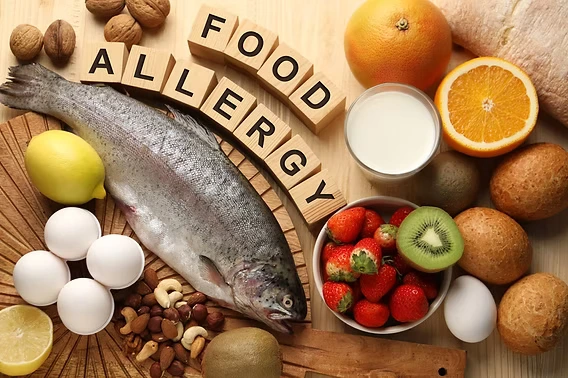
Food allergies occur when your immune system reacts to certain proteins in food. Symptoms range from mild itching to severe breathing trouble, and reactions sometimes appear within minutes. In many cases, triggers hide in places you might not expect. Here are some practical ways to spot allergens before they reach your plate:
Reading Labels Carefully
Packaged foods list ingredients, and labels might flag allergens in bold or in a separate statement. Read every label, even on products you buy often. Manufacturers change recipes without warning, so a safe item last month might not be safe today.
Watch for phrases like “may contain” or “produced in a facility with.” These warnings point to possible traces, and they deserve your full attention. When the wording confuses you, contact the company directly. A short call clears up doubt about potential food allergies fast.
Checking Alternative Names of Ingredients
Allergens may appear under names that hide their true source. Milk might show up as casein, and eggs sometimes appear as albumin. Learning these alternate terms helps you read labels with more accuracy.
Here are a few alternative ingredient names worth knowing:
- Milk: casein, whey, lactose, ghee
- Egg: albumin, globulin, lysozyme
- Wheat: semolina, durum, farina, spelt
- Soy: edamame, miso, tofu, lecithin
Keep this kind of list handy on your phone. You scan ingredients quickly, and the names jump out faster with practice. As food science evolves, new terms enter the market regularly.
Consulting an Expert
Self-diagnosis leads to mistakes, and guessing may lead to removing safe foods for no reason. An allergist runs proper tests to confirm what triggers your reactions. These results give you a clearer picture than a hunch ever could. A specialist suggests substitutes, and they review hidden sources you may have missed. When your symptoms change over time, schedule a follow-up to update your plan.
Avoiding Cross-contact
Cross-contact happens when an allergen touches a safe food during preparation. A shared cutting board spreads peanut residue, and a single utensil transfers traces between dishes. Even careful kitchens slip when staff feel rushed.
At home, separate your tools and surfaces. Wash hands, knives, and pans between tasks, and store allergens away from safe foods. When you cook for someone with an allergy, prepare their meal first to lower the risk.
Restaurants raise different challenges. Ask how the kitchen addresses allergens before you order, and request that staff clean equipment for your meal. Since fryers often share oil, ask whether fried items share that space too. When in doubt, communicate your needs clearly and don’t hesitate to ask follow-up questions to ensure your meal is safe.
Get Treated for Food Allergies
Hidden allergens turn up in labels, alternate ingredient names, and shared cooking surfaces. Careful reading and clean preparation lower your exposure, and professional testing confirms your triggers; together, these habits give you steadier control over your diet. Book an appointment with an allergist near you to test your triggers and discuss a treatment plan. Bring a list of foods that cause reactions, and ask about steps that fit your daily routine.
