


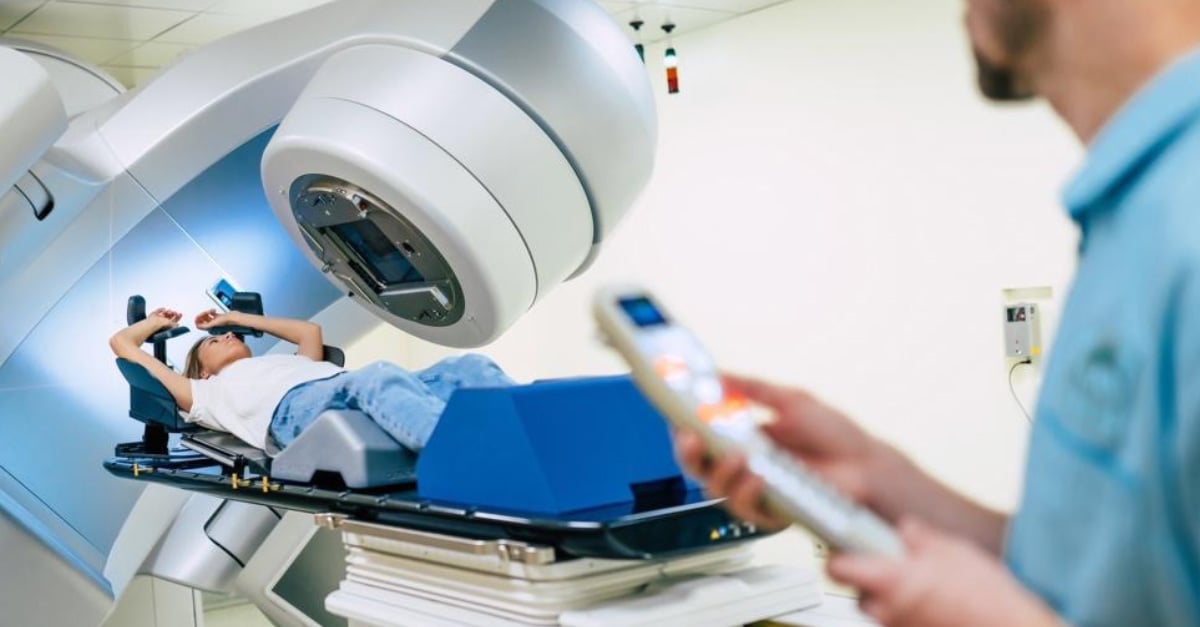
An oncologist specializes in diagnosing and treating cancer. They guide you through each stage of care as you make decisions about your treatment plan and recovery. Some oncologists focus on medical treatments like chemotherapy, while others specialize in radiation or surgery. Here are some tips for navigating treatment with an oncologist:
Understand Treatment Options
Treatment plans vary based on the type and stage of cancer. Your oncologist reviews your test results, medical history, and overall health before recommending a path forward. The goal is to match the approach to your situation, and some options include:
- Surgery to remove tumors or affected tissue
- Chemotherapy to target cancer cells with medication
- Radiation therapy to shrink or destroy tumors
- Immunotherapy to help your immune system fight cancer
- Targeted therapy to attack specific cancer features
Each option carries different benefits and side effects. Your oncologist explains how a treatment works, how long it lasts, and what to expect during the process. You might receive one type of treatment or a combination, depending on your diagnosis. Take time to review the details before you decide, and asking for written information helps you compare your choices.
Know What Questions to Ask
Having the right information helps you make informed decisions about your cancer treatment. Before your appointment, write down everything you want to know so that you can address your concerns. This keeps the conversation focused, and it helps you remember key details later. Some beneficial questions to ask your oncologist include:
- What type and stage of cancer do I have?
- What treatment options are available for my case?
- What are the side effects of each option?
- How will this treatment affect my daily life?
- What is the timeline for my treatment?
- Are clinical trials an option for me?
- Who do I contact if symptoms appear between visits?
Monitor Outcomes
Tracking progress and understanding the effectiveness of your treatment plan are key steps in managing your health. Treatment does not end when your sessions stop; your oncologist monitors your body’s response through regular tests and check-ins. These visits help your care team measure progress and adjust the plan when needed so that your treatment meets your changing needs.
Monitoring often includes blood tests, imaging scans, and physical exams. Your oncologist compares new results against earlier ones to spot changes. If a treatment is not working as expected, your doctor may suggest a different approach. You should also report new symptoms, side effects, or concerns as they arise; early information helps your team respond faster.
When you keep a personal record of your appointments, medications, and weekly changes, you create a resource that helps you track key details about your care. This gives your oncologist useful information during follow-up visits. Staying involved in your own care keeps you prepared for discussions, and it helps you remain informed throughout your treatment.
Work With an Oncologist
A cancer diagnosis requires many decisions, and an oncologist offers the medical knowledge and structured guidance you need to make informed choices. By understanding your options, asking direct questions, and tracking your progress, you stay active in your care. Open communication with your medical team supports better decisions at every stage. Schedule a consultation with an oncologist today to discuss your diagnosis and develop a treatment plan.
