


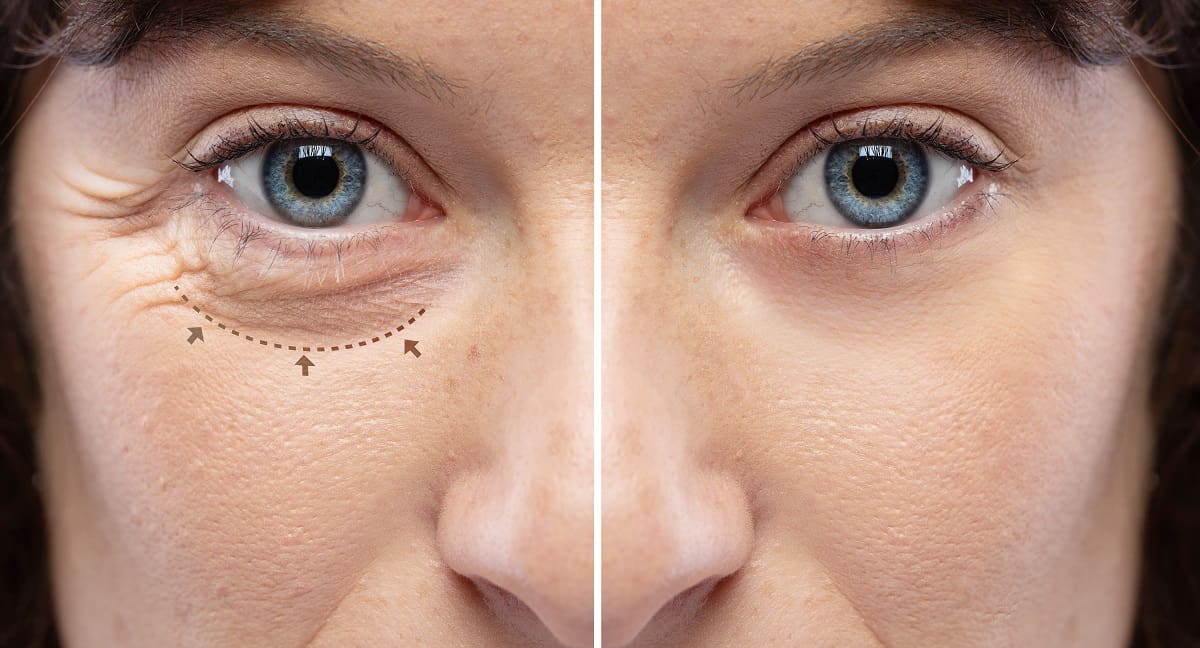
Blepharoplasty, also known as eyelid surgery, is a procedure designed to address excess skin, fat, and tissue around the upper or lower eyelids. Changes in skin elasticity and tissue structure can contribute to drooping eyelids and under-eye fullness over time. The procedure are able to be performed on the upper eyelids, lower eyelids, or both, depending on the patient’s concerns and anatomy. Understanding the procedure, recovery process, and treatment options helps individuals make informed decisions about eyelid surgery. Here is more information to better understand the safety and efficacy of blepharoplasty:
Defining Blepharoplasty
Blepharoplasty is a cosmetic surgery that targets the eyelids and the delicate area surrounding them. The procedure removes excess tissue, fat, or skin to rejuvenate the eyes and improve their contour.
There are two main types of blepharoplasty:
- Upper eyelid blepharoplasty: This procedure is designed to address excess skin and tissue on the upper eyelids. In some cases, excess upper eyelid skin may affect the visual field. The procedure is typically performed through an incision placed within the natural crease of the upper eyelid to minimize visible scarring.
- Lower eyelid blepharoplasty: This procedure targets fullness and fatty deposits beneath the eyes. A transconjunctival approach may be used, placing the incision inside the lower eyelid rather than on the external skin surface. This technique allows access to underlying tissue without creating an external scar.
Both upper and lower eyelid procedures are intended to improve eyelid contour and address structural changes around the eyes.
Examining the Procedure
Blepharoplasty is typically completed within one to two hours, depending on the extent of treatment being performed. The procedure may be performed under local anesthesia or general anesthesia based on the surgical plan and patient needs. For upper eyelid surgery, incisions are generally placed within the natural eyelid crease, while lower eyelid procedures may use a transconjunctival approach through the inside of the lower eyelid. These techniques are designed to work within the natural anatomy of the eyelids while addressing excess tissue and contour irregularities.
Addressing Scarring Concerns
Many people ask about scarring when learning about blepharoplasty. Eyelid surgery uses incision techniques that place surgical openings in less visible locations around the eye. The location of the incision depends on whether the procedure involves the upper eyelids, lower eyelids, or both. These approaches are selected based on the patient’s anatomy and treatment plan.
For upper eyelid blepharoplasty, incisions are usually placed within the natural crease of the eyelid. Lower eyelid procedures may use a transconjunctival technique, which places the incision inside the lower eyelid. This method avoids an external skin incision while providing access to the underlying tissue. Healing patterns and scar visibility vary among individuals and surgical approaches.
Understanding Recovery
Recovery from blepharoplasty generally lasts about one week, although healing timelines vary among individuals. During this period, patients may use over-the-counter or prescribed medications as directed by their surgeon to manage postoperative discomfort. Following postoperative instructions helps support the healing process and allows the surgical area to recover as intended. Activity restrictions, follow-up appointments, and aftercare recommendations are provided based on the specific procedure performed.
Book Your Eyelid Surgery Consultation
Blepharoplasty is a surgical procedure designed to address excess skin, fat, and tissue around the upper or lower eyelids. The procedure may be performed using techniques that place incisions within natural eyelid structures to minimize visible scarring. Recovery timelines and treatment approaches vary based on the extent of the procedure and individual patient factors. Schedule a consultation to learn more about blepharoplasty and determine whether it aligns with your treatment goals.
