


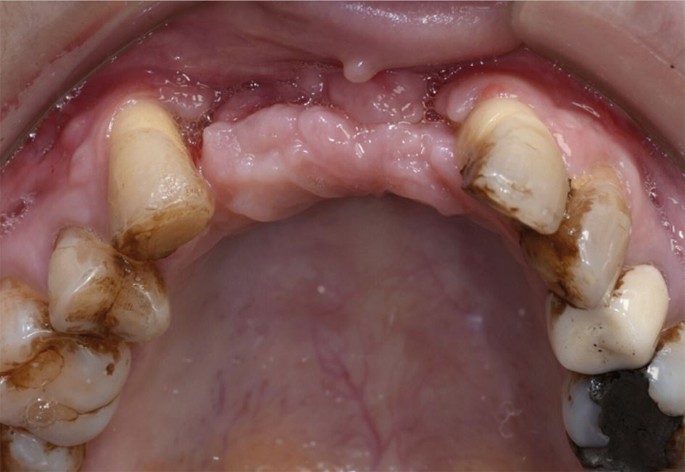
Traumatic injuries to teeth happen suddenly, and they can catch people off guard. A fall, a sports collision, or an accidental blow to the mouth can knock out, crack, or loosen a tooth. Knowing what steps to take in those first minutes makes a significant difference in the outcome. Here is more information about what to do after a traumatic dental injury:
Manage Bleeding and Swelling
After traumatic injuries to your teeth, bleeding and swelling often follow quickly. Apply firm pressure to the area using a clean gauze pad or cloth. Hold it in place for 10 to 15 minutes without lifting it to check the wound. Swelling responds well to a cold compress applied to the outside of the cheek, and use it in intervals to reduce inflammation.
Reinsert Tooth if Possible
If a tooth gets knocked out completely, pick it up by the crown, not the root. Touching the root damages the cells needed for reattachment, so handle the tooth carefully. Rinse it gently with water, and try to place it back into the socket right away.
Hold the tooth in position by biting down softly on a clean cloth. The socket keeps the tooth alive while you get to a dentist, and time is the key factor here. Adults can attempt reinsertion, but do not try this with a child’s baby tooth.
Check that the tooth is facing the right direction before reinserting it. A correctly placed tooth sits flush with the surrounding teeth. If reinsertion is not possible, move to the next step immediately.
Store in Milk
Milk works well as a short-term storage solution for an avulsed tooth. It preserves the root cells until a dentist can reattach the tooth, and it is typically easy to find. Place the tooth fully submerged in a small container of whole milk.
Avoid storing the tooth in tap water because it quickly damages the root cells. Saline solution is another option if milk is unavailable. Keep the container sealed and bring it with you to the dental office.
Call Immediately
Call your dentist as soon as the injury happens. Most dental offices hold time slots for emergencies, and many have after-hours lines. Give the receptionist a clear description of what occurred so they can prepare the right tools.
When you call, be ready to share:
- What the type of injury is
- How long ago the injury happened
- Whether you have the tooth and how it is stored
Bring any tooth fragments to the appointment, even small ones. A dentist can sometimes bond fragments back onto a damaged tooth. Acting quickly gives the tooth the best chance of being saved.
Get Treated for Traumatic Injuries
Dental trauma requires professional evaluation, even when the injury looks minor. A tooth that appears intact may have internal damage that only an X-ray reveals. Treatment options range from splinting a loose tooth to root canal therapy or extraction. Your dentist will walk you through every step of the process. If you or someone you know has experienced a traumatic injury, contact a dental office today to schedule an emergency appointment.
