


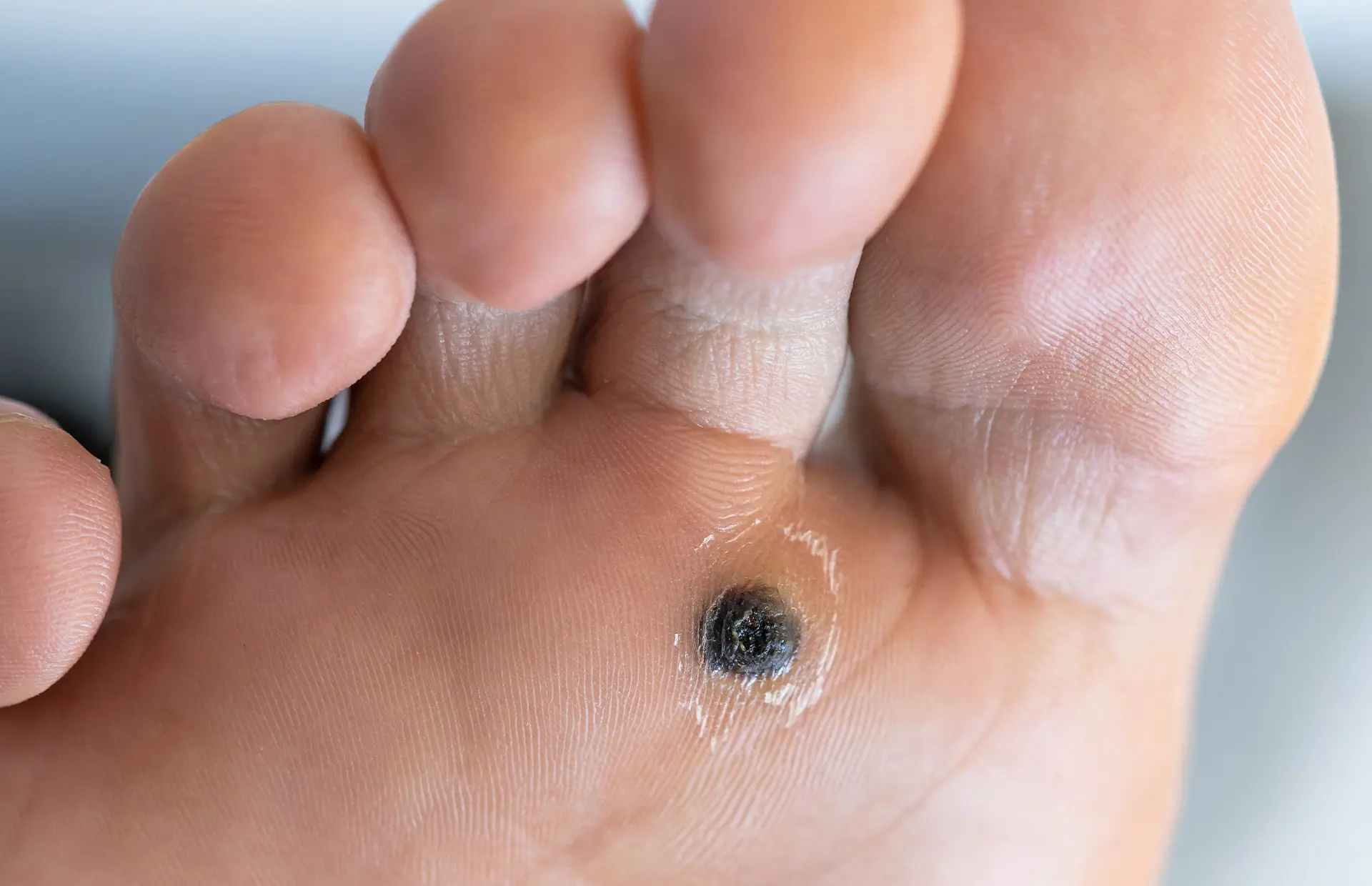
Warts are small, rough skin growths caused by the human papillomavirus (HPV). They appear on various parts of the body, and they range in size, texture, and location. While they are rarely dangerous, knowing what they are and how they behave helps you respond to them quickly and effectively. Here are some helpful facts to know about warts and what they entail:
Starts With HPV Virus
Human papillomavirus (HPV) enters the body through tiny cuts or breaks in the skin, and it triggers abnormal cell growth on the surface layer. The virus has over 100 known types. Since different strains target different areas of the body, the type of wart you develop depends on which strain infected you.
Direct contact with an infected person or surface spreads HPV easily. Children and people with weakened immune systems are more vulnerable to infection. The virus travels through shared towels, handshakes, or contact with contaminated gym equipment, so avoiding these exposures lowers your risk.
Forms in Clusters
Warts appear on fingers and hands, and plantar warts grow on the soles of the feet. A single wart can multiply into a cluster over time. When HPV spreads across neighboring skin cells, new ones form around the original site.
Flat warts tend to group together in large numbers. They appear on the face, legs, and arms. Since flat warts are smaller than other types, they are easy to overlook until the cluster grows noticeably larger.
Filiform warts grow in thread-like projections around the mouth, nose, and eyelids. These warts spread quickly when touched or scratched. The most common wart types include:
- Common warts: rough, raised bumps on hands and fingers
- Plantar warts: hard, flat growths on the bottom of the feet
- Flat warts: smooth, small clusters on the face or legs
- Filiform warts: narrow, finger-like growths near the face
Thrives in Wet Places
Warm, damp environments allow HPV to survive outside the body, and public pools, locker rooms, and shared showers are typical sites of exposure. The virus enters through softened, wet skin. Wearing sandals or flip-flops in these areas reduces your direct contact with contaminated surfaces.
Require Medical Attention
Some warts disappear on their own, but many do not without treatment. Over-the-counter salicylic acid products treat mild cases, yet they take weeks to work and require consistent application. A dermatologist or podiatrist offers faster, more direct options, which include:
- Cryotherapy: freezing the wart with liquid nitrogen
- Laser treatment: targeting the blood vessels that feed the wart
- Prescription topical treatments: stronger formulas applied directly to the skin
- Surgical removal: cutting or burning away resistant areas
See a doctor if a wart bleeds, changes color, grows rapidly, or causes significant pain.
Schedule a Visit for Warts
Warts are manageable with the right care, and early treatment prevents them from spreading further. A medical professional examines the wart, confirms the diagnosis, and recommends the most effective treatment for your specific type. If you have a wart that bothers you or refuses to go away, schedule an appointment with your dermatologist or podiatrist today. Getting the right treatment now saves you time, discomfort, and the spread of additional breakouts down the road.
