


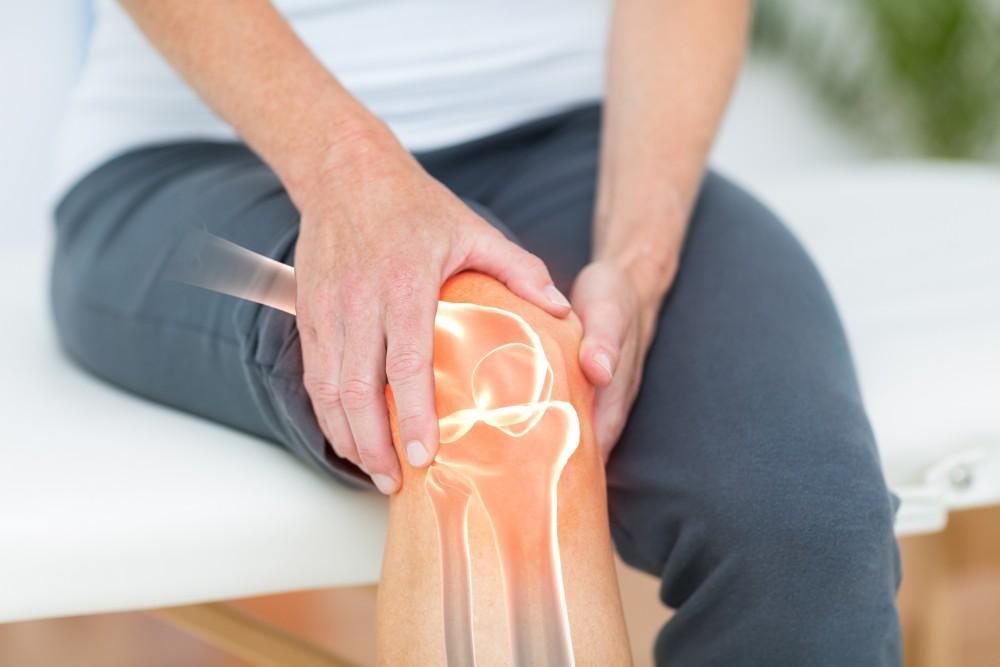
Pain management is used to evaluate joint pain, identify potential sources of pain, and recommend targeted treatments to support function and daily activities. Pain management usually happens after an acute or chronic condition has been diagnosed, especially when pain persists. When rest and activity changes do not reduce pain effectively, individuals may benefit from pain management treatments. For joint pain, someone should visit a pain clinic when their discomfort limits sleep, work, mobility, or routine tasks. Here’s information on different pain management treatment options and how they can reduce joint pain:
Joint Injections
Joint injections place medication directly into or near a painful joint, such as the knee or sacroiliac joint. A clinician at a pain clinic may recommend these injections after reviewing an individual’s pain pattern, imaging results, and prior treatments. Joint injections are performed in a medical office, and imaging guidance is often used to improve needle placement. The injected material depends on an individual’s diagnosis and treatment plan.
Some injections use corticosteroid medication to reduce inflammation, while others use anesthetic medication to help confirm whether a joint is a likely source of pain. Instead of treating widespread pain in a general way, the clinician focuses on a defined joint or structure. Results vary by condition, anatomy, and overall health.
Radiofrequency Neuroablation
Radiofrequency neuroablation, also called radiofrequency ablation, uses controlled thermal energy near selected sensory nerves. These nerves transmit pain signals from a joint region. The procedure does not repair joint damage or change the joint’s structure, but it aims to reduce pain signaling from a targeted area for a specified period. This pain management option is often discussed for spine-related facet joint pain, sacroiliac joint pain, and certain knee pain patterns.
Before this treatment, a clinician commonly performs diagnostic nerve blocks to confirm whether the targeted nerves are causing pain. The response to those blocks helps guide treatment plans and determine whether radiofrequency neuroablation is an appropriate treatment option. A typical radiofrequency neuroablation planning process includes steps like:
- Reviewing Imaging and Prior Diagnoses
- Performing Physical Examinations and Pain Mapping
- Performing a Diagnostic Nerve Block
- Discussing an Individual’s Risks and Expected Recovery Steps
- Planning Follow-up Appointments After
Radiofrequency neuroablation requires careful patient selection. It may not be suitable for pain caused mainly by instability, infection, fracture, widespread inflammatory disease, or untreated mechanical problems.
Regenerative Therapies
Regenerative medicine uses a patient’s own biologic material or processed tissue for pain management. These therapeutic treatments are recommended when standard options have not met an individual’s goals or when they want to explore nonsurgical approaches. These treatments may not be appropriate for every joint condition, so a clinician will assess individual needs before discussing regenerative therapies. Two common regenerative therapy options include: Platelet-rich plasma therapy and stem cell therapy.
Platelet-rich Plasma Therapy
Platelet-rich plasma (PRP) therapy uses a sample of the patient’s blood. A PRP therapy visit usually involves blood collection, sample preparation, image-guided injection when needed, and post-procedure instructions. An individual’s blood is processed in a centrifuge to separate blood components, creating the PRP solution. This resulting plasma solution is then injected into the selected joint. PRP treatments are used in some pain clinics for conditions involving tendons, ligaments, and joints.
Stem Cell Therapy
Stem cell therapy for joint pain may involve cells sourced from bone marrow, although different clinics use different stem cell sources. In this approach, an individual’s bone marrow is collected, processed, and injected into the target area, like a joint. The goal is to use the patient’s own biologic material to promote healing of chronic pain conditions. To stay informed, patients should ask how the cells are obtained, how the sample is processed, what regulations apply, and what outcomes to expect.
Find a Pain Clinic Near You
Joint pain management works best when the plan matches your diagnosis, the joint involved, and your activity goals. A pain clinic can review your prior care and determine what management options are appropriate for your needs. Before scheduling, gather imaging reports, medication lists, procedure records, and notes from prior evaluations. This information will help you and your pain specialist build an effective pain management plan. To learn more about your options, contact a pain clinic near you.
