


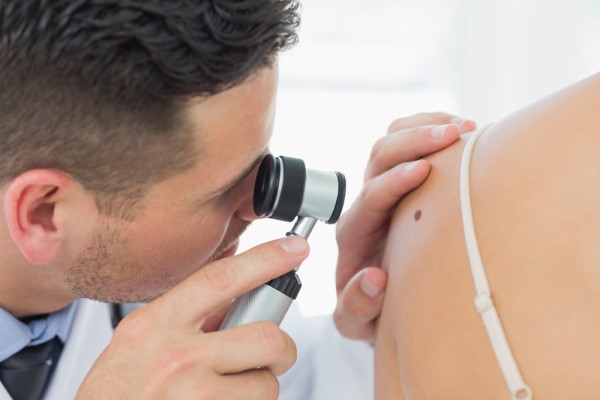
Skin cancer develops when skin cells grow abnormally, and it can occur after sun exposure. The three main types are basal cell carcinoma, squamous cell carcinoma, and melanoma. Doctors choose treatments based on the cancer type, size, and location, and they also weigh your overall health. Here is more information about treatment options when you have skin cancer:
Curettage and Electrodesiccation
This method removes cancer with a tool called a curette. A doctor scrapes the tumor, and an electric needle then destroys remaining cells. Since the process repeats in cycles, it targets small surface cancers well. Your provider applies a local anesthetic before starting the procedure.
Mohs Surgery
Mohs surgery removes skin cancer one thin layer at a time. After taking a layer, the surgeon examines it under a microscope, and the work continues until no cancer remains. This approach spares healthy tissue while treating tricky areas. Surgeons often use it on the face, ears, and hands.
Doctors might recommend Mohs for cancers with a high risk of recurrence. The procedure happens in stages during a single visit. As each layer gets checked immediately, you receive results the same day. Recovery time depends on the surgical wound size.
Cryotherapy
Cryotherapy freezes cancer cells with liquid nitrogen. A doctor applies the cold agent directly, and the frozen tissue later forms a scab. This treatment suits small, early-stage lesions on the skin surface. You might feel a brief stinging sensation during the process.
The treated area heals over several weeks. Blistering, redness, and swelling are common short-term effects. Since no incision is needed, the procedure takes only minutes. Your doctor may schedule a follow-up to check healing.
Cryotherapy works on precancerous spots too. These spots include:
- Actinic keratoses
- Superficial basal cell carcinomas
- Early surface lesions
A provider confirms the diagnosis before freezing any area. Multiple sessions sometimes follow the first treatment. This safe and effective method suits many patients, but it requires careful post-procedure care to promote proper healing and prevent infection.
Excision Surgery
Excision surgery cuts out the tumor and a margin of healthy skin. The surgeon numbs the area, and then they perform stitches to close the wound. This option treats many cancer types and sizes. Lab testing of the removed tissue confirms clear margins.
Treatment decisions depend on factors such as:
- Cancer type and stage
- Tumor size and depth
- Location on the body
- Your medical history
Recovery times for these treatments can vary based on the method used and the individual’s overall health. Some procedures, like cryotherapy, may cause minimal discomfort and heal quickly. More invasive treatments like excision surgery typically require additional care, such as wound dressing changes and follow-up assessments to ensure proper healing.
Schedule Skin Cancer Treatment
Each treatment fits different cancer types and locations. Your dermatologist reviews your diagnosis, and together you select a suitable plan, and early evaluation gives you more options to discuss. Bring questions about recovery, scarring, and follow-up care, and contact a dermatology clinic today to book a skin cancer consultation. Call now or request an appointment online to get started.
