


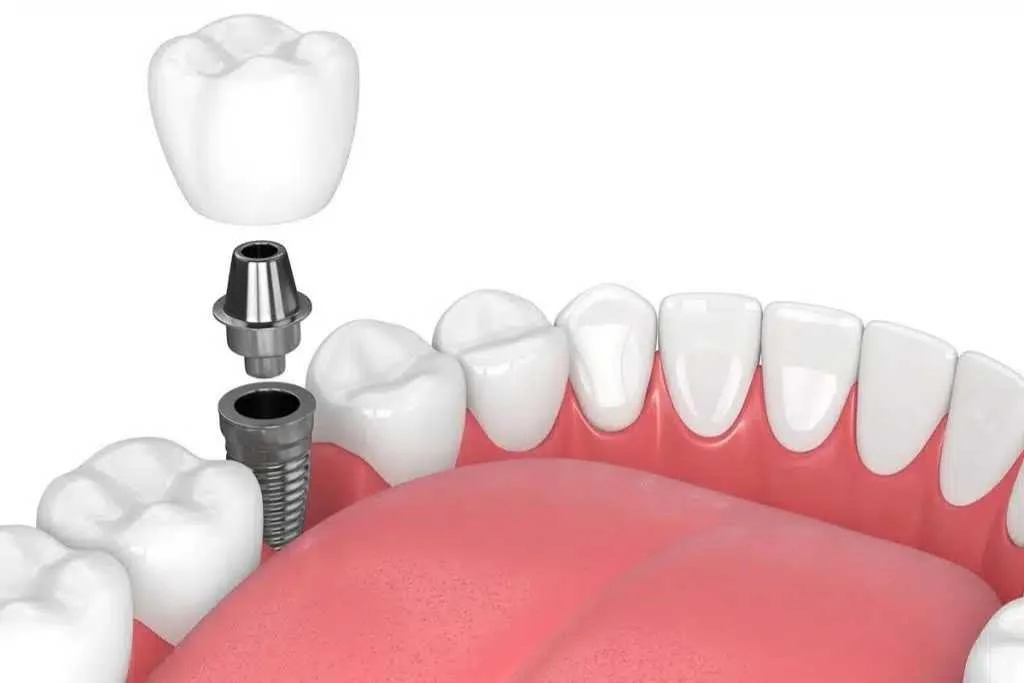
Dental implants replace missing teeth with artificial roots and crowns, and they provide a long-term solution. They sit in your jawbone, and they hold a replacement tooth in place. Before you book a procedure, you want to review a few key factors that shape your treatment plan. Here are some factors to look at before choosing whether to get dental implants:
Body Health
When your overall health is stable, healing may go more smoothly. Some conditions slow recovery, so your dentist will ask about your medical history. Diabetes, gum disease, and smoking each might affect how tissue heals around dental implants.
Medications also play a significant role. Tell your dentist about every prescription you take, since some drugs interact with the healing process. A full health review helps your dental team plan safely around your needs. This thorough evaluation makes sure that your treatment plan is tailored to support optimal healing and long-term success.
Implant Material
Many implants are made of titanium, and the body accepts this metal well. Titanium bonds with bone over several months. Some patients pick zirconia, a ceramic option that looks tooth-colored.
Each material has benefits and trade-offs. Titanium offers a long track record, while zirconia is useful for people who prefer metal-free options. When you discuss material with your dentist, ask which choice fits your case.
Here are significant factors that guide material choice:
- Allergy history with metals
- Location where the implant sits in your mouth
- Timeline of the patient’s plan
A short conversation clears up most questions. Your dentist explains the pros of each, and you decide together. The right material depends on your mouth, your health, and your goals.
Bone Density
Your jawbone supports the implant and requires a strong base. The bone must hold the implant firmly, and it needs enough volume to do so. If you lost a tooth years ago, the bone in that area may have shrunk. A dentist measures bone density with X-rays or a CT scan before planning anything.
Implant Types
Implant types vary based on how many teeth you need to replace. Some people need one tooth, while others need a full arch. Your dentist reviews your case and suggests an option that suits the gaps in your smile.
Single implants replace one missing tooth. A single post goes into the bone, and a crown attaches on top of it. This option works when the teeth around the gap stay healthy.
The all-on-four method supports a full set of teeth on four implants. This approach suits people missing most or all teeth in an arch. Since it uses fewer posts, the surgery may take less chair time than other full-arch methods. This method restores functionality and appearance efficiently, helping patients regain the look of their original smile.
Get Dental Implants Near You
Choosing dental implants means reviewing your bone, your health, your material, and the type that fits. Each factor shapes the plan your dentist builds for you. Take time to ask questions, and bring your full medical history to the first visit. Book a consultation with a dental office near you, and a dentist or medical provider will review your options in person.
