


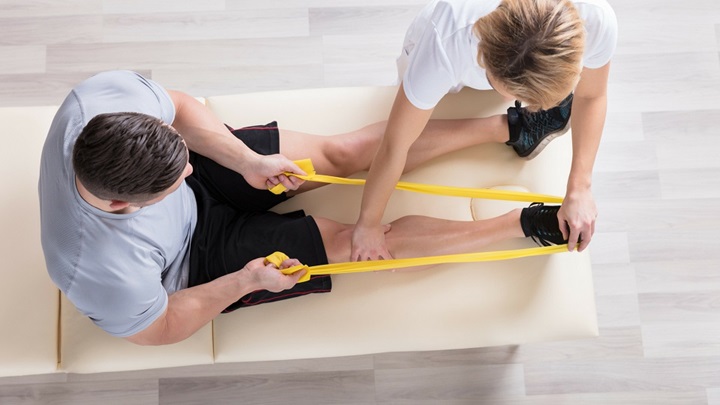
Physical therapists play a key role in helping people recover from injuries, and physical therapy improves overall movement and function. Whether a patient is recovering from surgery or dealing with ongoing pain, physical therapy offers structured, evidence-based care designed to get them moving again. Here is more information on what these therapists do, what they treat, and the rehabilitation strategies they use:
What Is a Physical Therapist?
A physical therapist (PT) is a licensed healthcare professional who specializes in diagnosing and treating movement dysfunction. They assess a patient’s strength, flexibility, balance, and coordination before developing a personalized treatment plan. They may collaborate with other healthcare providers to deliver comprehensive care. No two treatment plans are the same; each is tailored to the individual’s needs and goals.
What Services Do They Provide?
Physical therapists offer a broad range of services designed to restore function and reduce pain, and these may include manual therapy, therapeutic exercise, and functional training. PTs educate patients on posture, body mechanics, and injury prevention. They may prescribe home exercise programs, which support progress between sessions. This combination of in-clinic care and self-management strategies helps patients achieve lasting results.
What Conditions Do They Treat?
Physical therapists treat various musculoskeletal conditions, including chronic pain; this pain is defined as pain lasting longer than 3 months. Physical therapy focuses on reducing pain, improving function, and providing self-management strategies. Sprains and strains, which are injuries to ligaments and muscles, are also treated with interventions to reduce swelling, restore range of motion, and rebuild strength.
Other common conditions include arthritis. This condition involves joint inflammation, and it is managed with targeted exercise and manual therapy to improve joint function. A rotator cuff tear, an injury to shoulder tendons, requires rehabilitation that focuses on pain reduction and restoring movement. Following fractures, physical therapy is often necessary after immobilization to restore motion, strength, and function to the injured area.
What Rehabilitation Strategies Are Used?
Physical therapists use various rehabilitation strategies based on the patient’s condition, goals, and progress. Commonly used techniques include:
- Balance and gait training: Exercises designed to improve coordination, stability, and walking patterns.
- Strengthening exercises: Targeted movements that rebuild muscle strength around injured or weakened areas.
- Muscle retraining: Techniques that re-educate muscles to activate and function correctly after injury or prolonged inactivity.
- Flexibility and mobility exercises: Stretching and range-of-motion work that restores normal movement in joints and soft tissues.
- Massage therapy: Manual techniques used to relieve muscle tension, improve circulation, and reduce pain.
A PT will adjust the combination of strategies based on the patient’s response to treatment and their rehabilitation goals.
How Is Physical Therapy Beneficial?
Physical therapy offers measurable benefits for patients at all stages of recovery. Regular sessions can reduce or eliminate chronic pain, improve mobility, and restore function, sometimes reducing the need for surgery or long-term medication use. Patients who consistently engage with their treatment programs tend to recover faster, and they may experience fewer setbacks.
Physical therapy builds long-term resilience. Strengthening exercises and movement retraining help prevent re-injury by addressing the underlying weaknesses or imbalances that contributed to the original condition. For patients managing chronic conditions like arthritis, physical therapy supports sustained independence, and it helps improve quality of life.
Learn More About Physical Therapy
Physical therapists use a structured, evidence-based approach to help patients regain functional independence. From manual techniques such as massage therapy to active rehabilitation strategies such as gait training and strengthening exercises, each treatment plan is tailored to the individual, and this customization may improve results. If you’re experiencing pain, schedule a consultation with a qualified physical therapist.
