


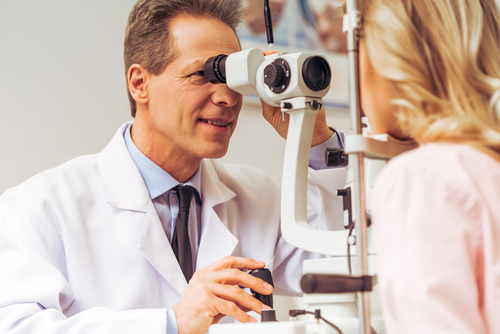
An eye exam provides a comprehensive assessment of your vision, but it also serves as an opportunity to ask questions, gather key information, and better understand the current health of your eyes. When you prepare in advance, you can make the most of the appointment and confirm that your concerns are addressed. This preparation allows you to engage more actively in your eye care. Here are several topics to discuss with your optometrist during your next visit:
Asking About Vision Changes
Begin the conversation by discussing anything different you’ve noticed since your last appointment. Your optometrist requires an accurate idea of how your eyes perform day to day, and your observations guide that understanding. Possible vision changes include:
- Difficulty focusing up close or at a distance
- Frequent headaches or eye strain
- Blurred or fluctuating vision
- Increased sensitivity to light
- Difficulty seeing at night
When you describe specific situations, such as difficulty reading road signs or printed text at certain distances, you provide the practitioner with concrete details to evaluate. Mention how often the difficulty occurs and whether it changes throughout the day. A clear account of your daily habits helps frame the discussion, and it sets the stage for the questions that follow.
Reviewing Prescriptions and Screening Needs
Prescriptions shift over time, so review yours during each visit. Ask whether your current prescription still meets your visual needs. You can also request a clear explanation of the numbers and what they mean in everyday terms. If you spend long hours reading or working up close, mention that specifically. This lifestyle factor can influence the type of correction you require. It’s also helpful to confirm how long your prescription remains valid; this information allows you to plan for your next exam.
A routine eye visit often involves more than a standard vision test. Many exams also assess the overall health of your eyes, so it’s useful to ask which screenings are included in your appointment. Contemplate using these questions:
- What tests do you perform during a standard exam?
- Which additional screenings do you recommend based on my history?
- How often should I schedule these screenings going forward?
If your family has a history of eye conditions, be sure to share that information during your visit. Your optometrist may then recommend a screening schedule tailored to your background. This individualized approach can support more consistent monitoring over time; it also helps detect potential issues earlier.
Comparing Glasses and Contacts
Choosing between glasses and contact lenses involves assessing several factors, including lifestyle choices. Ask your optometrist to walk you through the options that suit your prescription and your daily routine. For glasses, you might ask about lens coatings and frame fit. Determine which lens type performs best for tasks like driving or reading. When discussing contacts, the conversation shifts toward materials and wearing schedules; you can also discuss proper cleaning methods.
Meet With an Optometrist
Optometrists work with both children and adults, and they treat various conditions, including dry eyes. They also screen for and help manage early signs of more serious conditions, such as glaucoma. If you’re experiencing changes in vision or other concerning symptoms, schedule an eye exam today.
