


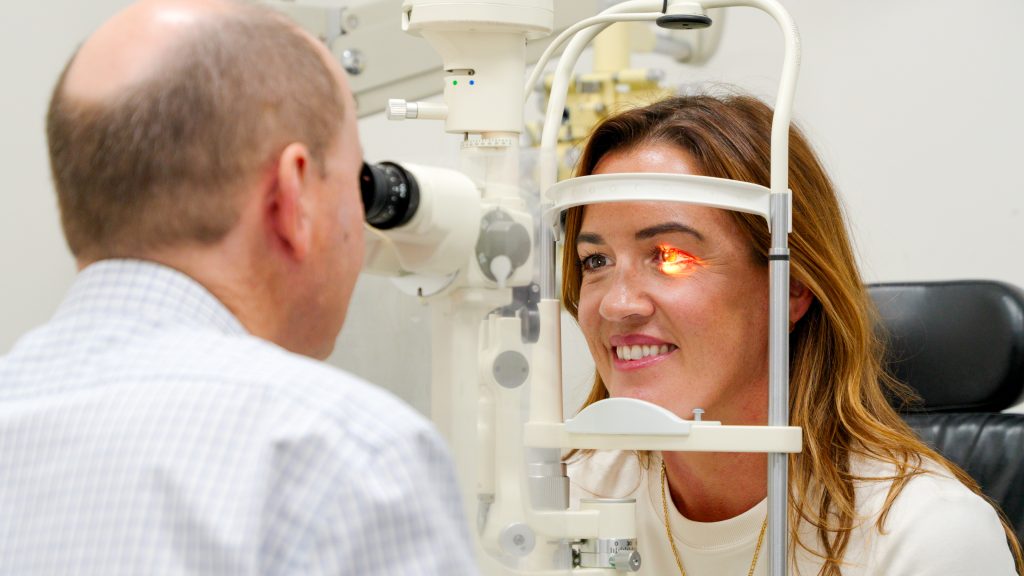
Ophthalmologists are medical doctors who specialize in eye and vision care. Their training covers both medical and surgical treatment of the eyes, so they can manage conditions that extend beyond routine vision checks. Here are three conditions that typically fall under an ophthalmologist’s care, along with practical guidance on planning your visits:
Retinal Detachment
Retinal detachment involves the retina, which is the thin layer of tissue lining the back of the eye. The retina captures light, and it sends visual signals toward the brain. When this layer separates from the supporting tissue beneath it, it shifts away from its normal position against the back wall of the eye.
This separation occurs at the inner rear surface of the eye; routine vision tools cannot fully reach this region. Ophthalmologists have the training and equipment to examine the retina in detail. They also perform the surgical procedures that a detachment may require. Because the condition affects a delicate internal structure, it fits within specialized medical and surgical care rather than general vision services.
Diabetic Retinopathy
Diabetic retinopathy relates to the blood vessels that supply the retina. Elevated blood sugar may affect these small vessels over time; this causes the condition to develop in stages rather than appearing all at once. The changes take place in the network of vessels at the back of the eye, near and within the retina, where an ophthalmologist examines them through detailed imaging.
Several points can help explain why this condition falls under specialist care:
- Vascular focus: The condition centers on blood vessels deep within the eye, which require specialized examination tools.
- Staged progression: Different stages require different approaches, and an ophthalmologist tracks these shifts over time.
- Connection to systemic health: Diabetes affects the whole body, so ophthalmologists may coordinate eye care alongside a broader health plan.
Macular Degeneration
Macular degeneration affects the macula, the central part of the retina responsible for sharp, detailed central vision. The macula sits at the center of the retina and manages the fine focus you rely on for tasks such as reading or recognizing faces. As the condition develops, it alters this small but key region of the eye. Macular degeneration involves a structure at the back of the eye that general vision care cannot fully assess. An ophthalmologist examines the macula closely and monitors changes over time; they also oversee any medical management the condition requires.
Find Reliable Ophthalmologists
Eye care works well as a steady, organized process rather than a one-time event. Schedule regular exams, keep a record of your prescriptions, and note any changes you observe between visits. When you bring this information to each appointment, your provider can gain an accurate picture of your history. Ophthalmologists diagnose and manage complex eye diseases, perform surgical procedures when needed, and provide advanced medical care that goes beyond routine vision correction. They treat various conditions; this ranges from eye flashes and floaters to retinal tears and detachments. If you’re experiencing symptoms such as sudden vision changes or a rapid increase in floaters, seek prompt evaluation to promote timely diagnosis and treatment.
