


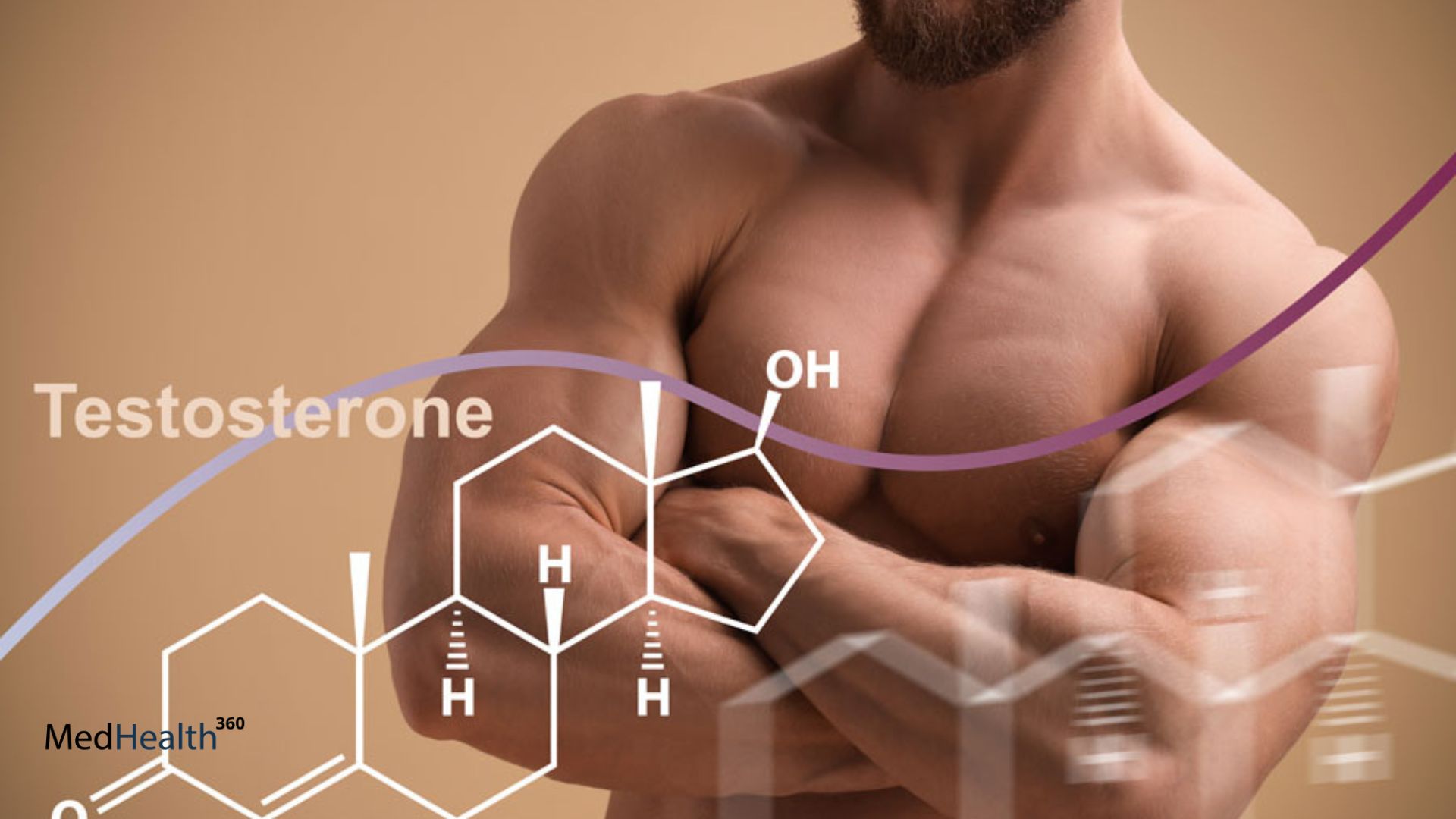
Testosterone replacement therapy, often shortened to TRT, is a medical treatment that supplements testosterone in men whose natural levels have declined. Doctors prescribe it for men diagnosed with hypogonadism, a condition marked by low testosterone production. Testosterone is a hormone that regulates many functions in the male body. When levels drop below a normal range, a man may experience changes that affect daily life, and medical evaluation helps determine whether treatment fits the situation.
Better Metabolic Function
Metabolic function refers to how the body processes energy from food, regulates blood sugar, and manages fat and cholesterol. Testosterone interacts with several of these processes, and there are links between low testosterone and conditions such as insulin resistance. Routine blood work tracks markers like fasting glucose and lipid levels during treatment. Using TRT treatment can improve how the body manages nutrition and builds muscle.
Improved Mood
Low testosterone has been linked to shifts in emotional state, including irritability and a persistent low mood. Although the connection is complex and depends on each individual, some men report changes in outlook after testosterone levels are restored to a normal range. Mood is shaped by many factors, and hormone levels form only one part of the picture. A clinical evaluation measures testosterone and reviews symptoms together.
Research into mood and testosterone continues, and findings vary across studies. Some men notice steadier energy across the day with increased testosterone, while others report no measurable difference at all. Each response is individual. Because mood involves biological, psychological, and social elements, a doctor reviews the full clinical context before drawing conclusions.
Body Composition
Body composition describes the ratio of muscle, fat, and bone within the body. Testosterone influences muscle protein synthesis, the process by which the body builds and maintains muscle tissue. Men with low testosterone sometimes show reduced muscle mass and increased fat storage, though physical activity and diet also play large roles. A clinical assessment records these measurements at the start of care.
Changes in body composition tend to develop gradually over months. Some men combine TRT with structured exercise and nutrition plans, and the combined effect differs from one person to the next. Individual results depend on age, baseline health, and adherence to a plan. Doctors monitor these factors throughout the treatment period.
A monitoring plan typically tracks several variables at regular intervals. Common measurements include the following:
- Lean muscle mass and body fat percentage
- Blood testosterone levels
- Cholesterol and blood sugar markers
These data points are reviewed by a physician during follow-up visits. The information guides any adjustments to dosage or approach. Regular tracking supports a clear view of how the body responds over time.
Explore TRT Therapy Options
TRT is one option within a broader field of treatments for low testosterone, and a qualified physician determines whether it suits a specific case. The process often begins with blood tests, a symptom review, and a discussion of medical history. Outcomes vary among individuals, so no single result applies to everyone. To learn whether testosterone replacement therapy aligns with your needs, schedule a consultation with a licensed medical provider for a full evaluation.
