


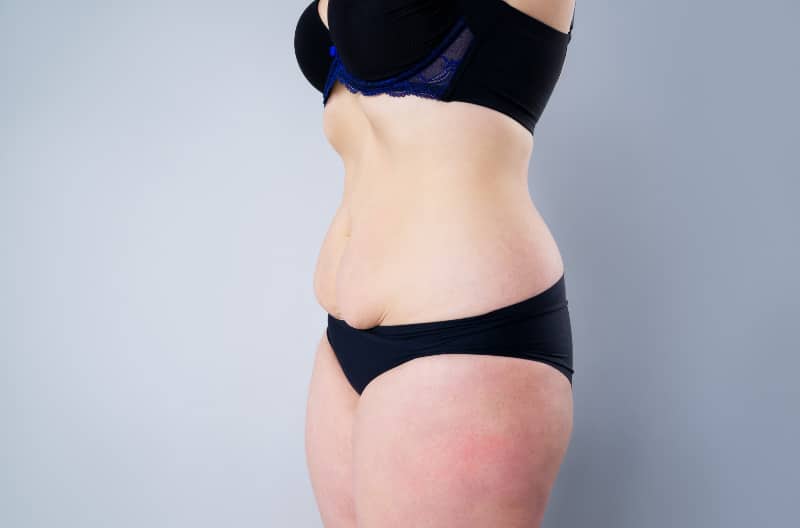
Liposuction focuses on removing pockets of fat from specific areas of the body to refine their shape. It is not a method for weight loss, and it does not replace healthy habits like balanced eating and regular movement. It serves as a tool to address stubborn areas of fat, which resist traditional diet and exercise changes.
What Is Liposuction?
Liposuction is a surgical technique that removes fat deposits from beneath the skin. A surgeon uses a thin, hollow tube, called a cannula, to loosen and suction away fat from targeted regions of the body. The procedure is typically performed under anesthesia. The goal of liposuction is to reshape and smooth specific parts of the body, and results depend on factors such as the patient’s skin elasticity, the amount of fat removed, and how well the body heals after the procedure.
Who Is It For?
Liposuction targets areas where fat tends to gather and remain despite efforts to reduce it through lifestyle changes. Common treatment areas include the abdomen, hips, thighs, buttocks, upper arms, back, and neck. Some patients also seek treatment for the chin or jawline to refine facial contours. Good candidates for liposuction generally share several traits. They are typically near their target weight, and they can maintain a stable body weight before the procedure. Healthy skin that may adjust to a new shape after fat removal supports better results. People in good overall health, without conditions that interfere with healing, tend to be stronger candidates.
It is worth noting that liposuction does not address loose or sagging skin. For individuals with these concerns, a surgeon may suggest other procedures alongside or instead of liposuction. A consultation allows the surgeon to evaluate the patient’s body, and it facilitates a discussion of realistic outcomes. This conversation can help both parties set clear expectations about what the procedure does and doesn’t accomplish. Smokers and those with certain medical conditions may need to take extra steps before being approved. Open communication with a medical professional helps determine whether the procedure is a suitable choice.
What Does Recovery Entail?
Recovery after liposuction varies from person to person, and it depends on the extent of the procedure. Patients often experience swelling, bruising, and soreness in the treated areas after surgery. These effects are common, usually fading over the following weeks.
Surgeons may recommend wearing compression garments after the procedure. These garments help reduce swelling, and they can support the body as it adjusts to its new shape. Patients may need to wear them for several weeks, following the specific guidance provided by their surgeon.
Rest plays a meaningful role in recovery. Many people return to light activities within a few days, but more strenuous tasks and exercise may need to wait several weeks. Following the surgeon’s instructions on activity levels, wound care, and follow-up appointments supports a smoother healing process. Final results are not immediate. As swelling decreases over the weeks and months that follow, the new contours become more visible. Maintaining a stable weight after recovery helps preserve the outcome, since significant weight changes can alter the results.
Seek Professional Cosmetic Services
Anyone exploring liposuction benefits from working with a plastic surgeon. A professional can assess individual needs, and they will outline what to expect at each stage. Scheduling a consultation is a practical first step toward understanding whether this procedure aligns with your goals. By asking questions and reviewing all options, patients can make informed decisions with clarity.
