


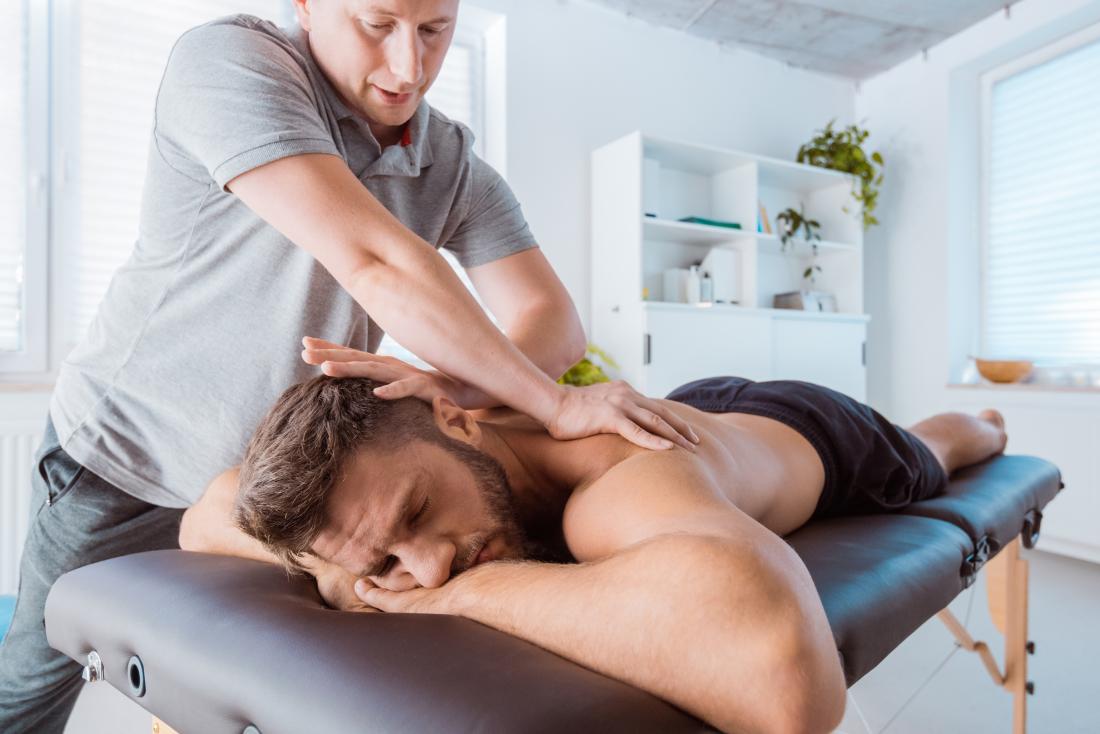
Back pain refers to discomfort felt anywhere along the spine, and pain sensations range from dull, more constant aches to sharp, more sudden sensations. For many people, back pain interferes with daily activities, like sleeping and working. The causes vary widely and may include muscle strain, nerve compression, disc problems, or joint inflammation. While surgery is sometimes recommended, several non-surgical approaches exist to help address back conditions and reduce pain. Here’s information on non-surgical treatment options for managing pain:
Physical Therapy
Physical therapy focuses on movement, strength, and flexibility to help manage back pain. A therapist designs a program based on an individual’s condition and goals. The program may include guided exercises, stretching, and techniques to improve posture. Strengthening the muscles that support the spine can reduce strain on the back, and improving flexibility may make daily movements more comfortable. Education is also a key part of physical therapy, as patients learn how to move safely and avoid positions that aggravate their symptoms. Sessions are typically scheduled over several weeks, with progress reviewed along the way.
Injection Treatments
Injection treatments deliver medication directly to specific areas of the spine. They are often used when other conservative measures have not provided relief. A pain management specialist typically performs these procedures using imaging guidance, and the medication used depends on the location and suspected source of the pain. Here are some common injection treatment options for back pain:
Epidural Injections
Epidural injections place medication into the epidural space, the area surrounding the spinal cord and nerve roots. This approach targets inflammation that may be irritating nearby nerves, and it is usually performed in an outpatient setting and takes a short amount of time. People who experience pain that travels into their legs sometimes have this option recommended.
Facet Joint Injections
Facet joints are small joints located between the vertebrae that allow the spine to bend and twist. When these joints become inflamed, they can contribute to localized back pain. A facet joint injection places medication near or into the affected joint, which can also be used to confirm whether a particular joint is the source of discomfort.
Sacroiliac Joint Injections
The sacroiliac joints connect the lower spine to the pelvis; inflammation in these joints can cause pain in the:
- Lower Back
- Buttocks
- Hips
A sacroiliac joint injection delivers medication to this region, and the procedure is typically guided by imaging for accurate placement. This option is often discussed when the sacroiliac joint is suspected to be the source of someone’s pain.
Percutaneous Disc Compression
Spine surgery may be recommended for back pain conditions when conservative treatments, such as physical therapy, medications, and lifestyle modifications, have failed to provide sufficient relief. Surgery is often discussed in cases involving structural damage or neurological symptoms. This includes spine conditions like herniated discs, spinal stenosis, or nerve compression that causes persistent pain, weakness, or numbness. Conditions like severe scoliosis or degenerative disc disease may also warrant surgical intervention if they significantly limit mobility or quality of life.
The decision to proceed with spine surgery is made on a case-by-case basis, with the patient’s specific condition, symptoms, and overall health taken into account. For disc issues, disc compression surgery may be necessary to effectively manage the condition and to reduce discomfort. Percutaneous disc compression is a minimally invasive procedure that addresses certain types of disc-related pain.
During the procedure, a specialist uses a thin instrument inserted through the skin to remove a small portion of disc material. Reducing the volume within the disc can lower the pressure it places on surrounding nerves. Because it requires only a small entry point, recovery time is often shorter than that of open surgery. The procedure is generally performed under local anesthesia in an outpatient setting.
Reduce Back Pain Effectively
Managing back pain often requires multiple approaches, and the right combination depends on the individual and the source of the discomfort. Non-surgical options, like injection treatments and physical therapy, each offer a different way to address the problem without an operation. A specialist can review your symptoms, examine your spine, and discuss which methods may suit your situation. To learn more about how to effectively manage your pain and back condition, contact an orthopedic specialist today.
