


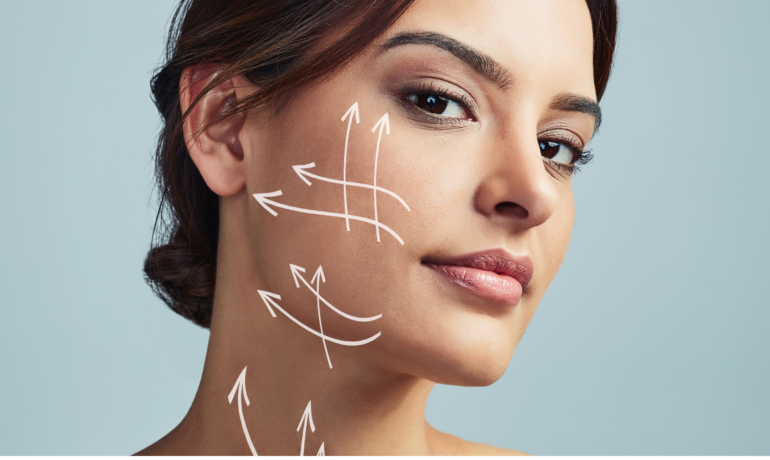
Fat grafting is a versatile technique in cosmetic surgery; the procedure uses a patient’s own fat to restore volume, smooth contours, and refine facial and body features. Patients seeking natural-looking results benefit from this method, as it relies on their own tissue rather than synthetic fillers or implants. Here is more information on what fat grafting is, how cosmetic surgeons use it, and the benefits it offers:
What Are Cosmetic Procedures?
Cosmetic procedures are treatments designed to improve a person’s appearance, and they range from minimally invasive options, such as injectables, to surgical operations like facelifts and breast augmentation. Each procedure targets a specific concern, whether that involves reshaping a feature, reducing signs of aging, or enhancing symmetry. Fat grafting fits within this category as a technique used across several treatments. Surgeons use it for facial rejuvenation, body contouring, and reconstructive surgery. Since it draws on the patient’s own fat, it helps those who prefer results that look and feel natural.
What Is Fat Grafting?
Fat grafting, also known as fat transfer, is a procedure that moves fat from one area of the body to another. The surgeon harvests fat through liposuction, typically from the abdomen, thighs, or flanks. After collection, the fat is purified to separate healthy fat cells from fluid and other tissue. Once the fat is prepared, the surgeon injects it into the target area. Small amounts are placed in layers to build volume gradually and create a smooth result; this careful approach helps the transferred fat establish a blood supply, which supports its survival in the new location.
What Is It Used For?
This procedure serves many purposes in cosmetic surgery. Surgeons use it to address volume loss, improve contours, and refine the results of other procedures. The technique works on both the face and the body, which makes it suitable for a wide range of goals. Common applications include:
- Facial rejuvenation
- Lip enhancement
- Breast augmentation and reconstruction
- Body contouring,
- Correction of irregularities left by previous surgeries or injuries
Each use shares a common principle. The surgeon transfers fat to a region that has lost volume or requires reshaping, then sculpts the area for a balanced appearance.
What Are the Benefits?
Fat grafting offers several advantages over synthetic alternatives. The procedure uses the patient’s own tissue, and this lowers the risk of allergic reaction or rejection. Results may look and feel natural because the transferred fat integrates with the surrounding tissue.
The technique also delivers a secondary benefit through liposuction. While harvesting fat for transfer, the surgeon removes unwanted fat from a donor site, which also slims that area. This dual effect helps patients looking to refine two regions in a single operation. Long-lasting outcomes are beneficial; once the transferred fat establishes a blood supply, it can remain in place for years.
Learn More About Cosmetic Procedures
Fat grafting gives cosmetic surgeons a flexible tool for restoring volume, contouring the body, and refining facial features, and this helps improve a patient’s appearance. The procedure relies on a patient’s own fat, which produces natural results and offers the added benefit of slimming a donor site. If you would like to explore whether fat grafting suits your goals, speak with a qualified cosmetic surgeon. A consultation will help you understand your options and develop a treatment plan suited to your needs.
