


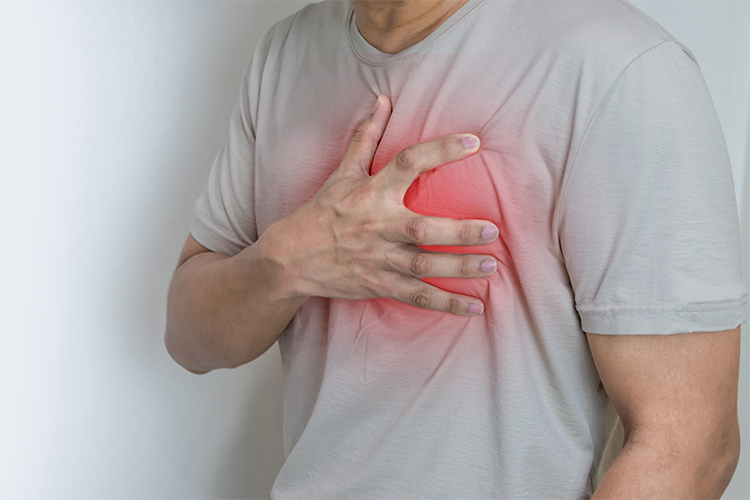
Chest pain shows up in many forms, and the cause is not always obvious to all people. Some discomfort comes from sore muscles, while other pain points to your heart. You may have concerns, and you want answers fast. Here are some typical pain types to help you know when to seek professional and immediate care:
Non-emergency Pain Types
Not every ache in your chest signals an emergency. Muscle strain happens after lifting, exercise, or even a hard cough. Since the pain stays near the surface, it often worsens when you press the spot or twist your body.
Heartburn mimics heart trouble, yet it follows a meal. The burning feeling rises toward your throat, and antacids are used to calm it. When chest pain is linked to food or position, the cause may be your stomach rather than your heart.
Non-emergency triggers include:
- Pulled or strained chest muscles
- Persistent acid reflux or heartburn
- Minor rib bruises from impact
These issues still require attention, and medical providers address them daily. A staff member checks your symptoms, and you leave with a clear plan. Since mild causes overlap with serious ones, a quick exam removes the guesswork.
Professional Examination
A trained provider sorts mild pain from dangerous pain, and the exam starts with questions about your symptoms, history, and timing. On-site tests speed up the process at many medical centers. Staff run an EKG, and lab work checks for other clues. When results suggest a serious problem, the team arranges a quick transfer to a hospital.
Immediate Medical Attention
Some warning signs mean you call 911 right away. Crushing pressure that spreads to your arm or jaw indicates angina or a heart attack. The pain feels heavy, and it does not fade with rest.
Watch for these emergency symptoms:
- Pain with sweating, nausea, or dizziness
- Shortness of breath at rest
- Pain spreading to the back, neck, or arm
When these signs appear together, you act fast. Do not drive yourself, and do not wait to see if it passes. Since every minute matters during a heart attack, emergency responders provide the safest care.
Personalized Treatment
Your treatment depends on what the exam reveals. Muscle pain often requires rest, ice, and over-the-counter relief. Since reflux responds to diet changes, a provider may suggest simple food swaps.
A clear plan helps you manage symptoms at home. The provider explains each step, and you ask questions before you leave. When pain returns or worsens, you know exactly when to come back. Follow-up appointments are scheduled as needed to make sure your recovery is on track and to adjust your care plan if necessary.
Get Checked for Chest Pain
Chest pain ranges from a minor strain to a heart emergency, and the difference matters. Mild causes still benefit from a quick check, while warning signs call for 911. A professional exam, on-site testing, and a clear plan remove the uncertainty. If your pain feels severe or comes with breathing trouble, call emergency services now. For milder symptoms, visit a heart specialist and get checked today.
