


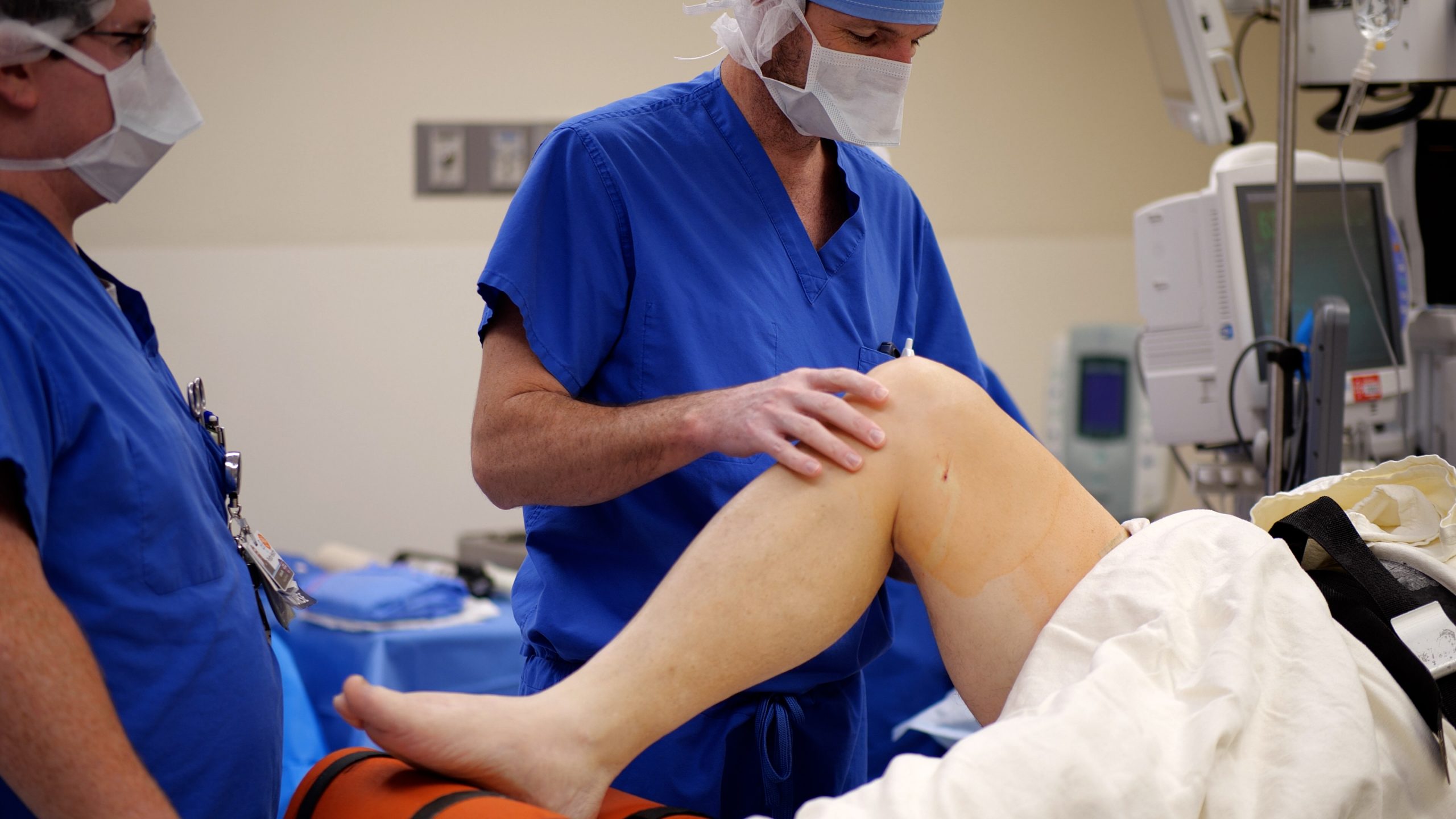
A knee replacement can improve mobility and reduce joint pain for individuals with severe knee damage or arthritis. Recovery often involves managing discomfort and following a structured rehabilitation plan. Here are strategies for managing pain and recovery after a knee replacement:
Controlling Pain and Swelling
Pain and swelling peak in the first days after a knee replacement surgery, and managing them well sets the tone for the weeks that follow. Your care team will outline a medication schedule, and taking doses on time keeps discomfort within a manageable range. Here are helpful steps for managing pain:
- Ice the knee: Apply a cold pack for short intervals to help calm swelling around the joint.
- Elevate the leg: Raise your foot above heart level to help fluid drain away from the knee.
- Move your ankle: Pump your ankle up and down to keep blood circulating in your lower leg.
Track how your knee responds, and report unusual redness, warmth, or sudden swelling to your provider.
Starting Safe Movement Early
Gentle activity supports healing after a knee replacement. A physical therapist will ask you to stand or take short steps within the first day; they may use a walker or crutches to steady you at first. Early motion helps prevent stiffness, and it trains your new joint to bend and straighten.
Start with the exercises your therapist assigns, and treat range-of-motion drills as a daily priority. Bending and straightening the knee several times a day keeps the joint flexible, while short and frequent walks build endurance without overloading tissues. Pushing too hard and too fast can set you back, so match your effort to your team’s guidance rather than to how you feel on a good day. Balance activity with rest, and pay attention to how your knee reacts after each session.
Following a Rehab Plan
A structured rehab plan turns scattered effort into measurable progress, and it remains the backbone of recovery after a knee replacement. Your physical therapist designs the plan around your goals, your starting strength, and the type of implant you received. Following it closely keeps you on schedule, and skipping sessions often slows the results you want. Here are some key priorities that can help you stay consistent:
- Attend every session: Regular visits let your therapist adjust exercises as your strength improves.
- Do home exercises: Daily practice between visits reinforces the gains you make in the clinic.
- Track your milestones: Noting improvements in bending, walking, and stair use shows whether you are on track.
These priorities keep the plan moving forward, and they give your therapist clear signals about what to modify.
Protecting Long-Term Recovery
Long-term recovery depends on habits you maintain well beyond the first few months. Maintaining a healthy weight reduces stress on the new joint, and regular low-impact exercise can keep the surrounding muscles strong. Activities such as walking, swimming, and cycling support fitness without straining the knee. Regular follow-up visits let your surgeon check the implant and confirm that your progress holds. Reporting new pain, swelling, or instability early gives your team the chance to address issues before they worsen.
Schedule Your Knee Replacement Appointment
Recovery after a knee replacement rests on controlling pain and swelling, starting safe movement early, following your rehab plan, and protecting the joint. Addressing any issues early, making consistent lifestyle choices, and focusing on overall health can significantly improve recovery and support the long-term success of your procedure. Contact a qualified orthopedic surgeon near you to schedule your knee replacement appointment today.
