


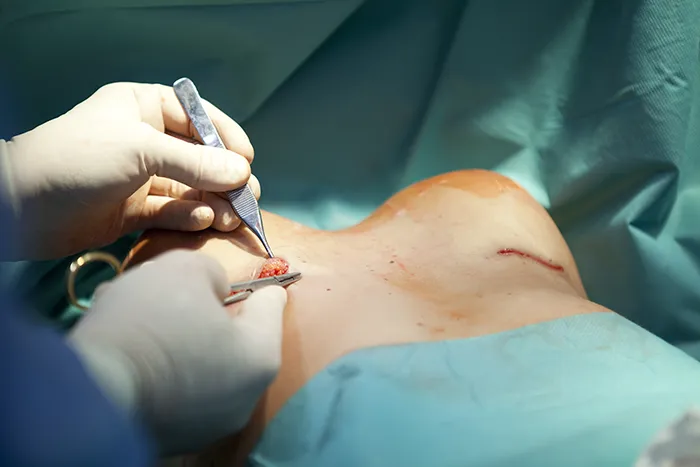
Breast surgeons specialize in conditions affecting tissue, and they diagnose, evaluate, and treat problems that range from benign lumps to cancer. When your primary doctor spots something unusual, a referral may follow. You might meet a breast surgeon for many reasons, and understanding those reasons helps you be prepared. Here are some reasons you might need surgery:
Getting Abnormal Mammogram Results
A mammogram screens your breast tissue for changes. Specialists review these images, and they flag areas that look different from normal tissue. When results come back abnormal, your doctor may send you to a breast surgeon for a closer look.
Abnormal results do not always mean cancer. The surgeon reviews your images, examines you, and orders more tests if needed. Since early detection matters, follow-up appointments move quickly after a flagged scan.
Having a Breast Cancer Diagnosis
A breast cancer diagnosis typically leads directly to surgical care. Surgeons plan treatment based on the type and stage of the cancer. They work alongside oncologists, and together they map out your next steps.
Surgery is a significant part of a treatment plan. Depending on your situation, a surgeon might recommend one of several procedures:
- Lumpectomy to remove the tumor and nearby tissue
- Mastectomy to remove one or both breasts
- Lymph node removal to check for spread
Your surgeon explains each option in plain terms. As every diagnosis differs, the recommended approach reflects your specific case, and you help decide the path forward.
Needing a Biopsy
A biopsy removes a small tissue sample for testing. Doctors can order biopsies when imaging shows something that needs closer study. Since lab analysis identifies abnormal cells, this step gives clear answers about what is happening.
Breast surgeons perform several types of biopsy. The method depends on the size and location of the concern. Fine needle aspiration draws fluid or cells, while a core needle biopsy removes a small tissue cylinder. In some cases, a surgical biopsy may be needed to remove a larger area for testing.
Biopsies are typically performed in an office setting, and many use local anesthesia. When the results arrive, your surgeon walks you through what they found. This information shapes any treatment that follows.
Being Unsure About a Lump
Finding a lump may lead to concerns. Many lumps turn out to be benign, but some need further testing. A surgeon examines the area, and they decide whether imaging or a biopsy makes sense.
Not every lump requires surgery. Cysts, fibroadenomas, and dense tissue feel like lumps too. Since these causes vary widely, a professional exam sorts out the difference. You get clear guidance instead of guessing.
Track any changes you notice at home. Watch for these signs, and report them to your doctor:
- Lumps that grow or feel firm
- Skin dimpling or puckering
- Nipple discharge or shape changes
If something is off, an appointment gives you answers. Your surgeon reviews your history and recommends next steps.
Visit a Breast Surgeon
Many situations lead people to a breast surgeon. Since these doctors focus on breast health daily, they bring focused knowledge to each case. A surgeon explains your options, and they answer your concerns directly. If you have received a referral or noticed a change, schedule an appointment with a breast surgeon today and bring your questions to get the answers you need.
